
Pruning
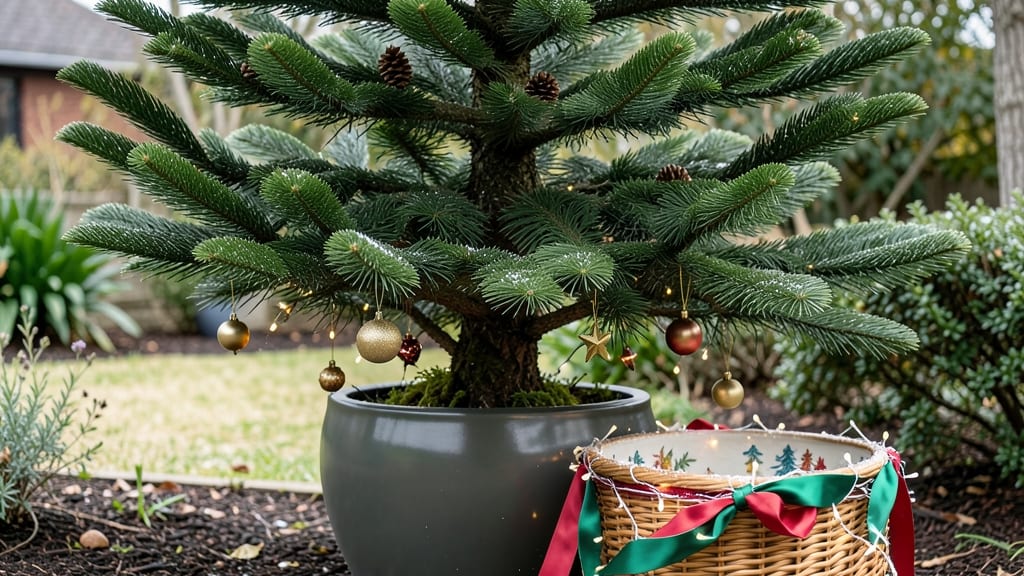
A Christmas tree in a flower pot turns your porch into the neighborhood's most talked-about holiday display. 🌲 The trick isn't just picking any tree—it's choosing a dwarf variety that thrives in containers while still making a statement.
I've tried everything from Fraser firs to Colorado blue spruces, and the right species makes all the difference for that perfect holiday look.
You'll need a sturdy pot—at least 18 inches wide—with drainage holes, plus lightweight potting mix to keep it manageable. The key is balancing aesthetics with practicality: decorative pots add charm, but they must still protect roots from winter winds.
I like to wrap mine in festive burlap or paint the pot to match my holiday color scheme.
Once planted, your tree will become the centerpiece of your seasonal decor, smelling like fresh pine and looking like it came straight from a holiday catalog. The best part? You can repurpose the pot afterward for spring flowers or herbs, giving it new life long after the holidays fade.
Whether you're working with a small balcony or a spacious front porch, this approach lets you create magic without needing a yard. Just remember: watering becomes trickier in containers, so check the soil weekly—especially if your tree is indoors for the holidays.
📚 In This Guide
- What you need
- Instructions
- Tips and common mistakes
- Wrapping up and next steps
What you need
- ● Flower pot or container: Choose a pot with drainage holes (12–18" diameter for a small tree, 20"+ for a bold statement). Options: ceramic, terracotta, or plastic.
- ● Potting mix: 3–5 gallons of well-draining soil blend (e.g., 60% peat moss, 30% perlite, 10% compost). Pro tip: Add orchid bark or pine fines for extra aeration!
- ● Miniature Christmas tree (or shrub): Dwarf Alberta spruce (e.g., Picea glauca 'Conica') – 1–3 ft tall.
- ● Dwarf Norway spruce (e.g., Picea abies 'Nidiformis') – 2–4 ft tall.
- ● Boxwood or juniper (for a broader, bushier look).
- ● Slow-release fertilizer: 1–2 cups of 14-14-14 or osmocote (mixed into soil).
- ● Garden trowel or spade (for planting).
- ● Pruning shears (sharp, bypass-style for clean cuts).
- ● Mulch or decorative stones (e.g., pine cones, faux snow, or moss for a cozy look).
- ○ Optional add-ons: Miniature holiday ornaments (weatherproof!).
- ● LED string lights (battery-operated for safety).
- ● Decorative pot liner (e.g., burlap or holiday-themed fabric).
- ● Sunlight access: Ensure your pot gets 4–6 hours of sunlight daily (adjust for indoor vs. outdoor placement).
- ● Watering routine: Keep soil moist but not soggy (drought-tolerant trees like spruce need less water).
- ● Pruning knowledge: Familiarize yourself with shaping techniques to encourage full growth (see our pruning guide!).
How to grow a Christmas tree in a flower pot for holiday cheer
Here's the simple method I use every year to create a stunning, festive container tree that lasts through the season.
🪴 Step 1: Choose the Right Container and Tree
Select a 12-15 gallon pot with drainage holes—this gives roots room to establish while keeping the tree stable. I always opt for a Norfolk pine or Fraser fir because they thrive in containers and hold their needles beautifully. These trees need at least 18 inches of height to make a proper statement.
Check the root ball before buying—it should be firm but not rock-hard. If you find a tree with roots circling the container, gently tease them apart with your fingers before repotting. This prevents girdling and keeps the tree healthy for months. I like to add a 2-inch layer of potting mix to the bottom of the pot first to improve drainage.
🌱 Step 2: Prepare the Soil and Plant Carefully
Use a well-draining potting mix that’s formulated for evergreens—regular garden soil compacts too much and suffocates roots. I blend mine with 20% perlite to keep moisture levels just right. Fill the pot until the tree sits 1-2 inches below the rim; this prevents water from spilling over while watering.
Remove the tree from its nursery pot and loosen the root ball with your hands. Place it in the center of your container and fill in around the edges with more potting mix, pressing gently to eliminate air pockets. Water thoroughly until it drains from the bottom holes—this settles the soil and eliminates gaps. Avoid overwatering now; the goal is damp soil, not soggy.
☀️ Step 3: Position for Light and Water Consistently
Place your potted tree in a spot with 6-8 hours of morning sun and afternoon shade—direct afternoon sun can scorch needles. I keep mine on a covered patio or under a large umbrella during peak summer heat. If you notice needles turning yellow or brown, it’s a sign of too much sun or inconsistent watering.
Water when the top inch of soil feels dry—usually every 5-7 days in summer, but adjust for your climate. I use a 5-gallon watering can to soak the entire root ball, letting excess water drain completely. Mulch the surface with 1 inch of pine bark to retain moisture and regulate temperature.
✂️ Step 4: Maintain and Decorate for the Holidays
Start trimming in early December to shape your tree. I use clean, sharp pruning shears to remove any brown or sparse branches from the bottom half. This creates a fuller look and makes room for decorations. Avoid cutting more than 10% of the tree’s foliage at once—this keeps it lush and healthy.
Decorate with battery-operated lights and ornaments to avoid moisture damage. I like to add a 1-inch layer of fresh pine cones or cedar boughs around the base for extra holiday charm. Keep the tree indoors for no more than 2 weeks at a time—longer exposure to dry indoor air causes needle drop.
⏰ Step 5: Extend Its Life Through the Season
Move the tree to a sheltered spot before winter storms hit. I wrap the pot in burlap or frost cloth to protect it from freezing temperatures—this is especially important if your winters drop below 10°F. Keep watering every 10-14 days unless the ground is frozen, and avoid letting the soil dry out completely.
With proper care, your potted Christmas tree will stay vibrant through the holidays and beyond. After New Year’s, you can either replant it in the ground or keep it as a container feature for next year’s decorations. I’ve had mine last 3-4 years with consistent care—proof that holiday cheer doesn’t have to be temporary!
Tips & tricks for perfect container Christmas trees
These little details make all the difference between a tree that thrives and one that struggles through the season.
Tree Selection: When choosing between Norfolk pine and Fraser fir, go for Fraser fir if you want that classic Christmas tree scent and needle retention. Norfolk pines are more forgiving for beginners—they tolerate drier conditions better. Either way, avoid pre-lit trees from the lot; they're not designed for repotting and often have poor root systems.
Soil Preparation: That 20% perlite in your potting mix isn't just for drainage—it helps prevent compaction that would suffocate roots. I like to add a handful of slow-release fertilizer pellets when I mix the soil, right at the bottom layer. This gives your tree a nutrient boost without overfeeding it. Press the soil gently but firmly around the roots to eliminate air pockets, which can cause rot.
Light Management: The 6-8 hours of morning sun is crucial—afternoon sun is too intense for container trees. I place mine on a covered patio where it gets morning sunlight but is shaded by the house's overhang in the afternoon. If you notice yellowing needles, it's usually either too much sun or inconsistent watering. Move the tree to a shadier spot immediately if this happens.
Winter Protection: That 10°F threshold is important—below that, you need extra protection. I double-wrap my pots in burlap and place them against a south-facing wall where they get reflected heat. For extreme cold snaps, I move them under an eave or into an unheated garage. The key is preventing temperature swings that cause root damage.
Pro Tips for Christmas Tree In Flower Pot
- These little details make all the difference between a tree that thrives and one that struggles through the season.
- Tree Selection: When choosing between Norfolk pine and Fraser fir, go for Fraser fir if you want that classic Christmas tree scent and needle retention.
- Soil Preparation: That 20% perlite in your potting mix isn't just for drainage—it helps prevent compaction that would suffocate roots.
Frequently asked questions
Can I keep a Christmas tree in a pot long-term?
A Christmas tree in a flower pot can thrive for years with the right care! Opt for dwarf varieties like Norfolk Island pine or Dwarf Alberta spruce, which adapt well to containers. Ensure proper drainage, winterize the pot (wrap in burlap or move indoors), and fertilize lightly in spring. With love, your tree can become a year-round centerpiece!
When should I plant my potted Christmas tree outdoors?
Plant your Christmas tree in a flower pot outdoors in early spring (after the last frost) or fall (before hard freezes). Avoid transplanting during extreme heat or cold. Water thoroughly before moving, and mulch the base to protect roots. Pro tip: Acclimate the tree to outdoor conditions over 3–5 days if transitioning from indoors!
What’s the best soil mix for a potted Christmas tree?
Use a well-draining mix like:
- 50% peat-free potting soil
- 30% perlite or coarse sand (for aeration)
- 20% compost or worm castings (for nutrients)
Why are my tree’s needles turning brown?
Brown needles on your potted Christmas tree usually signal overwatering, underwatering, or stress. Check the soil moisture—it should be evenly damp but not soggy. Other culprits? Salt buildup (rinse roots with water) or winter burn (protect with burlap or shade cloth). Adjust care and monitor for improvement!
Can I decorate a potted Christmas tree like a regular one?
Just go lighter on ornaments to avoid bending branches. Skip heavy lights (opt for LED string lights instead) and avoid water-based decorations near the soil. For extra magic, add miniature flags, fairy lights, or edible pinecone garlands. Pro tip: Spritz branches with water before decorating to reduce needle drop!
What are some low-maintenance alternatives to traditional Christmas trees?
If a Christmas tree in a flower pot feels like too much work, try these easy-care options:
- Olive tree (evergreen, drought-tolerant)
- Bamboo or schefflera (tropical, fast-growing)
- Dwarf citrus trees (fragrant, festive with oranges)
- Artificial trees in pots (zero upkeep, reusable)
Wrapping up and next steps
Transforming your Christmas tree into a festive container statement is all about creativity, sustainability, and a little holiday cheer! Whether you’re repurposing a small tree or designing a stunning centerpiece, this project lets you blend nature with your holiday decor in a unique way.
The best part? You’re reducing waste while adding a personal touch to your celebrations.
Now that you’re armed with tips and answers, why not give it a try this year? Gather your supplies, follow your vision, and enjoy the process—your future holiday gatherings will thank you! 🎄✨ Ready to make your mark? Start sketching your design or head to the garden center for that perfect pot today!