
Pruning
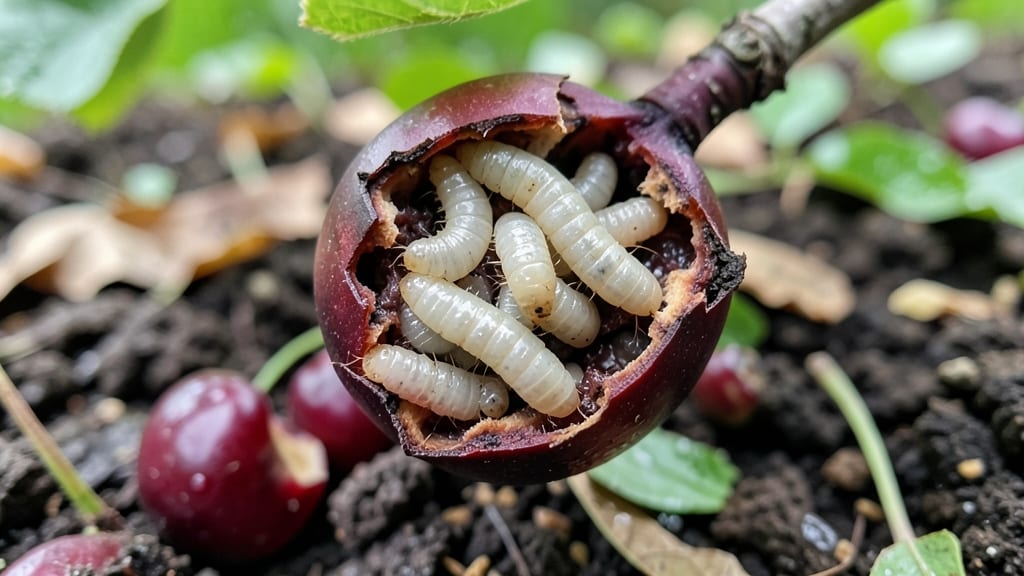
Cherry tree maggots turn your sweet harvest into a wormy mess—unless you act fast. 🌱 I’ve spent years battling these pests in my backyard, and I’ve learned the organic tricks that actually work to save your fruit. The damage starts small: tiny holes in cherries, then squirming larvae inside.
Most gardeners panic and reach for harsh sprays, but the real solution is prevention—pruning for airflow, using row covers early, and applying neem oil at the right time. My trees now produce plump, healthy cherries without a single maggot.
You’ll spot the first signs in early summer when fruit starts dropping prematurely. The key is catching it early with a quick inspection of fallen fruit and treating before the larvae mature. A few simple steps now mean no more maggoty surprises at harvest.
Works for sweet, tart, and sour cherries alike—no matter your variety. Let’s get those trees thriving again!
The Hidden Triggers Behind Fruit Infestations
When your cherry tree’s fruit starts looking like Swiss cheese—or worse, falls prematurely—cherry fruit flies (Rhagoletis indifferens) and their maggot larvae are likely the culprits. These tiny pests don’t just appear out of nowhere; they’re drawn to specific conditions that turn your tree into an all-you-can-eat buffet.
Understanding why they target your cherries is the first step to outsmarting them. Let’s break down the science behind their behavior and the environmental factors that invite them in.
Cherry fruit flies are highly attracted to ripe or nearly ripe cherries—their primary food source and breeding ground. Here’s why:
- Sugar and Fermentation Cues: As cherries ripen, their sugar content increases, releasing volatile organic compounds (VOCs) that flies can detect from up to a mile away. These compounds mimic the scent of fermenting fruit, triggering their feeding and egg-laying instincts. 🍒🔥
- Soft, Accessible Skin: Overripe cherries have softer skins, making it easier for female flies to insert their eggs just beneath the surface. A single female can lay 100–200 eggs in her lifetime, each hatching into a maggot in just 2–3 days.
- Timing Matters: Flies emerge in late spring to early summer, synchronizing with cherry harvest seasons. If your tree produces fruit too early or too late, you might miss the peak infestation window—but that doesn’t mean you’re safe. Secondary generations can extend the problem into fall.
Actionable Insight: Monitor your tree’s ripening schedule. If cherries ripen unevenly, consider hand-picking and removing overripe fruit before flies arrive. This disrupts their life cycle and reduces egg-laying opportunities.
A stressed or weakened cherry tree is like a neon sign for fruit flies. Here’s how poor health plays into the problem:
| Stress Factor | Why It Helps Pests |
|---|---|
| Water Stress (Drought or Overwatering) | Flies prefer trees with thin, water-stressed skins—easier for egg insertion. Drought also concentrates sugars in fruit, making it more appealing. |
| Nutrient Deficiencies (Especially Nitrogen) | Weak growth leads to smaller, softer fruit with less natural pest resistance. Deficiencies also attract secondary pests like aphids, which indirectly stress the tree further. |
| Physical Damage (Hail, Cracked Bark, or Pruning Wounds) | Open wounds provide entry points for flies to lay eggs directly in the tree’s tissue, not just the fruit. Damaged areas also emit stress signals that flies detect. |
| Fungal or Bacterial Infections | Infected fruit often ripens prematurely or rots, creating a perfect breeding ground. Flies are drawn to decaying organic matter. |
Pro Tip: 🌡️ Conduct a soil test and adjust irrigation to maintain consistent moisture (but not soggy soil). Apply a balanced fertilizer (e.g., 10-10-10) in early spring to boost tree vigor before flies emerge.
Your yard’s layout and nearby plants can amplify cherry maggot problems. Here’s how:
- Nearby Wild or Ornamental Cherries: If you have unmanaged cherry trees, plums, or other stone fruits within 500 feet, they act as fly magnets. Flies don’t discriminate—they’ll infest all susceptible fruit in the area. 🌳➡️🐝
- Weedy or Overgrown Areas: Tall grass, leaf litter, and dense vegetation provide hiding spots for pupating maggots over winter. These larvae burrow into the soil, emerging the following spring as adults.
- Lack of Natural Predators: Birds, parasitic wasps, and ground beetles eat maggots and adult flies. But if your yard lacks birdhouses, diverse plantings, or water sources, these predators won’t stick around.
Actionable Fix: 🎯 Create a 10-foot “defense zone” around your tree:
- Remove weeds and debris annually in fall/winter.
- Install a birdhouse or two (bluebirds and robins love maggots!).
- Plant companion plants like dill, fennel, or yarrow to attract predatory insects.
Cherry maggots thrive in warm, humid conditions, but their activity varies by region:
- Southern U.S. (Zones 7–10): Flies emerge earlier (as early as April) due to mild winters. Multiple generations per year mean year-round vigilance is needed.
- Northern U.S. (Zones 4–6): Cooler springs delay fly activity until June or July, but late-season fruit (like Montmorency cherries) can still be targeted.
- Rainfall Patterns: Wet springs create ideal pupation conditions for maggots in the soil. Drought-stressed trees, however, can also trigger early ripening—confusing flies into attacking premature fruit.
Regional Hack: 📊 Check your local agricultural extension service for fly trap data in your area. Some states (like Michigan and California) run community fly monitoring programs to predict outbreaks.
Natural Ways to Stop Tree Pests
Discovering those tiny, wriggly pests in your cherries can be frustrating, but the good news is that organic, effective solutions exist. Below, we’ve mapped out targeted fixes based on the root causes—whether it’s larval infestation, poor tree health, or seasonal neglect.
Follow these steps to reclaim your tree’s health and those sweet, maggot-free fruits.
If your cherries are already riddled with maggots, act fast to prevent further damage and save next season’s harvest.
🍳 Remove and Destroy Infested Fruit
- Step 1: Pick all affected fruit immediately—don’t leave them on the tree or ground. Maggots will continue developing and spreading.
- Step 2: Drop infested fruit into a sealed plastic bag or bucket. Do not compost them! (Compost piles can harbor pests.)
- Step 3: Dispose of the bag in outdoor trash bins, far from your garden. For extra security, freeze the bag for 48 hours to kill any lingering larvae.
👨🍳 Apply Organic Sprays (Timing Is Key!)
- Best sprays: Neem oil, kaolin clay, or insecticidal soap. These disrupt larval development without harming beneficial insects.
- When to spray:
- Pre-bloom (late winter): Apply neem oil to kill overwintering eggs.
- Petal fall (early spring): Reapply to protect young fruit.
- Post-harvest (fall): Spray again to break the pest cycle.
- How to apply: Use a handheld sprayer for thorough coverage, focusing on fruit clusters and leaf undersides. Pro tip: Spray in the early morning or evening to avoid burning leaves in sunlight.
🥘 Use Physical Barriers for Young Fruit
- Row covers: Lightweight fabric can shield blossoms and fruit from adult flies during peak laying season (late spring).
- Paper bags: For high-value trees, slip individual cherries into breathable paper bags (like those used for peaches) to block egg-laying flies.
A weak tree is an open invitation for maggots. Boost your cherry tree’s resilience with these organic care tactics.
💡 Improve Soil and Nutrition
- Test your soil: Use a DIY kit to check pH and nutrient levels. Cherry trees thrive in slightly acidic soil (pH 6.0–6.5).
- Feed organically:
- Spring: Apply compost or a balanced organic fertilizer (e.g., 10-10-10) to encourage new growth.
- Fall: Add a layer of mulch (wood chips or straw) to retain moisture and deter weeds competing for nutrients.
- Avoid over-fertilizing: Too much nitrogen attracts soft, juicy fruit—maggot magnets! Stick to a slow-release formula.
🌡️ Water Wisely (But Not Too Much)
- Deep watering: Water at the base of the tree (not the leaves) 1–2 times per week, giving the soil time to dry between sessions. Soggy soil invites fungal diseases, which stress trees and make them vulnerable.
- Drip irrigation: The best method to keep foliage dry and avoid fungal issues.
✨ Prune for Airflow and Light
- Remove crowded branches: Thin out limbs to improve airflow and sunlight penetration. This reduces humidity (which maggots love) and helps fruit dry faster after rain.
- Prune in late winter: Focus on dead, diseased, or crossing branches. Sterilize pruners with rubbing alcohol between cuts to prevent spreading pathogens.
Break the maggot cycle with a proactive, seasonal plan. Think of it as pest-proofing your tree!
🔪 Trap and Monitor Adult Flies
- Yellow sticky traps: Hang them near the tree in early spring to catch adult flies before they lay eggs.
- Pheromone traps: Use commercial traps (like those for spotted wing drosophila) to disrupt mating. Replace lures every 2–4 weeks.
🍎 Encourage Natural Predators
- Plant companion flowers: Marigolds, alyssum, and dill attract parasitic wasps and ladybugs, which prey on maggots.
- Reduce pesticides: Avoid broad-spectrum sprays that kill beneficial insects. Stick to targeted organic solutions.
🗓️ Seasonal Checklist for Long-Term Control
| Season | Task | Why It Works |
|---|---|---|
| Winter | Rake up fallen leaves and fruit debris. | Removes overwintering pupae and eggs. |
| Early Spring | Apply neem oil and install traps. | Kills eggs and monitors fly populations early. |
| Summer | Hand-pick maggots and thin fruit clusters. | Reduces competition for resources and removes hiding spots. |
| Fall | Prune and mulch; test soil for next season. | Prepares the tree for winter and breaks pest cycles. |
Remember: Consistency is key. Maggot control isn’t a one-time fix—it’s an ongoing partnership between you and your tree. With these organic methods, you’ll enjoy blemish-free cherries and a thriving orchard for years to come. 🍒✨
Frequently asked questions
What do cherry tree maggots look like?
Cherry maggots are tiny, pale white, legless larvae about 1/4-inch long with a slightly curved body. You’ll spot them wriggling inside damaged fruit or crawling on fallen cherries. Adult flies resemble small houseflies (about 1/8-inch long) with dark bodies and clear wings.
Can I still eat cherries with maggots?
Yes, but only after removing the maggots! Cut out the infested areas and discard them. The rest of the cherry is safe to eat. For severe infestations, it’s better to remove all affected fruit to prevent further spread. Always wash cherries thoroughly before eating.
How long does it take for maggots to develop?
Maggot development depends on temperature, but typically takes 7–14 days to mature inside fruit. Warmer weather speeds up the process, while cooler conditions slow it down. Adult flies emerge in 1–2 weeks after pupating in the soil.
Will neem oil work if I already see maggots?
Neem oil is most effective as a preventive measure, but it can still help if applied immediately. Spray the tree thoroughly to disrupt larval development, though existing maggots may already be too far along. For current infestations, focus on removing affected fruit and using traps.
Can I use coffee grounds to deter cherry maggots?
While coffee grounds may repel some pests, they’re not reliably effective against cherry maggots. For better results, use neem oil or kaolin clay. Spread coffee grounds around the tree base to deter other garden pests, but combine them with proven maggot-control methods.