
Diseases
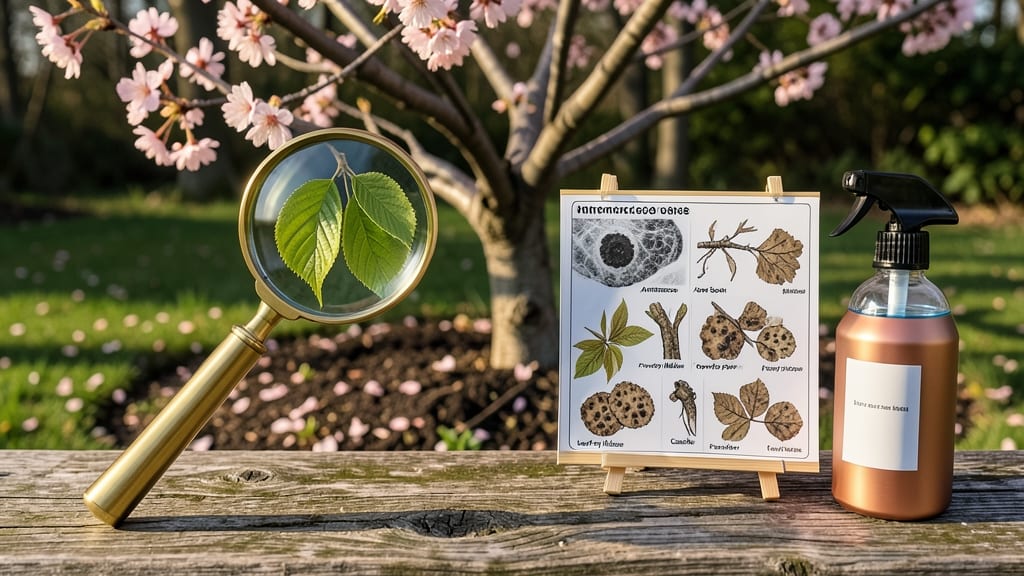
Your stunning cherry blossom tree’s blooms could vanish overnight—if you miss the early warning signs of cherry blossom tree diseases. 🌸 I’ve watched bacterial canker turn a neighbor’s prized tree into a skeletal shadow in just two seasons, and powdery mildew rob another of its spring glory.
The good news? Spotting these diseases early means you can still save your tree with simple, organic fixes.
Most problems start with tiny clues: dark streaks on branches, white fuzzy patches on leaves, or sudden leaf drop. Bacterial canker often begins as oozing cankers, while powdery mildew coats leaves like dust.
The key is acting fast—before the disease spreads deeper into the tree’s system. I’ll show you how to diagnose these issues correctly and stop them before they ruin your tree’s health.
With the right pruning techniques and natural treatments (like neem oil or copper sprays), you can restore your tree’s vibrancy. I’ve revived multiple trees using these methods—even ones that looked hopeless at first. The secret is consistency: regular inspections, proper watering, and removing infected branches before they spread.
This guide covers the most common threats, from fungal infections to bacterial attacks, and gives you step-by-step solutions to keep your cherry blossom thriving for decades. Whether you’re dealing with a young sapling or a mature tree, these strategies work—no chemicals required.
Root Causes Behind Blossom Woes
Cherry blossom trees—those stunning symbols of spring—can fall victim to diseases that disrupt their beauty and health. Understanding why these issues arise is the first step to prevention.
Below, we break down the key factors that create the perfect storm for cherry blossom tree diseases, from environmental stressors to biological invaders.
Cherry blossoms thrive in specific conditions, and when those are disrupted, diseases take hold. Here’s how environmental factors set the stage for trouble:
- Excess Moisture: Cherry trees are prone to fungal infections like Botryosphaeria or Cytospora canker when soil stays soggy for prolonged periods. Overwatering, poor drainage, or heavy rainfall create the ideal damp environment for spores to germinate and infect wounds or weak bark.
- Temperature Fluctuations: Sudden swings between freezing nights and warm days weaken the tree’s defenses. Cold stress can damage bark, creating entry points for pathogens, while heat stress reduces the tree’s ability to fight off infections.
- High Humidity: Fungal diseases like powdery mildew or anthracnose flourish in humid conditions (above 75% relative humidity). Poor air circulation—common in dense plantings or shaded areas—traps moisture against leaves and bark, accelerating disease spread.
💡 Pro Tip: Ensure your cherry blossom has well-draining soil, mulch properly (but not too close to the trunk), and prune for airflow. If your area is prone to humidity, consider fungicidal sprays as a preventive measure.
Diseases don’t just appear—they exploit vulnerabilities. Here’s how pathogens gain the upper hand:
- Fungal Spores in the Air: Many cherry blossom diseases, such as black knot or leaf spot, are caused by fungi that spread via wind, water, or even contaminated tools. Once spores land on a susceptible tree, they germinate and infect tissues, especially if the tree is already stressed.
- Bacterial Entry Points: Bacteria like Pseudomonas syringae (which causes bacterial canker) enter through pruning wounds, insect bites, or natural cracks in the bark. If the tree is healthy, its natural resins can seal these wounds, but stress weakens this response.
- Viral Spread: While less common, viruses (e.g., cherry leaf roll virus) can be transmitted via infected grafting material, sap-sucking insects, or even human activity (like sharing tools between trees). Once inside, viruses disrupt the tree’s vascular system, leading to stunted growth and poor blooms.
🔥 Key Insight: Healthy trees resist pathogens better. Regularly inspect your tree for wounds, remove infected debris promptly, and sterilize pruning tools with a 10% bleach solution to prevent cross-contamination.
A cherry blossom tree that’s malnourished or under stress is an easy target for diseases. Here’s how poor care invites trouble:
| Nutrient Deficiency | How It Weakens the Tree | Diseases It Invites |
|---|---|---|
| Nitrogen (N) | Leads to pale leaves, stunted growth, and reduced energy for disease resistance. | Fungal infections (e.g., root rot), bacterial cankers. |
| Potassium (K) | Weakens cell walls, making the tree more susceptible to osmotic stress (e.g., drought or flood damage). | Fungal leaf spots, powdery mildew. |
| Calcium (Ca) | Poor calcium levels cause weak bark and poor wound healing, giving pathogens easy access. | Bacterial cankers, Cytospora canker. |
| Micronutrients (Zn, Fe, Mn) | Deficiencies lead to chlorosis (yellowing) and reduced photosynthesis, starving the tree of energy to fight disease. | General decline, increased susceptibility to all pathogens. |
🌡️ Environmental Stressors: Drought, compacted soil, or extreme pH levels (too acidic or alkaline) further weaken the tree. For example, cherry blossoms prefer slightly acidic soil (pH 6.0–7.0); outside this range, nutrient uptake suffers.
✨ Actionable Fix: Conduct a soil test every 2–3 years and amend with compost or specific fertilizers (e.g., potassium sulfate for K deficiency). Mulch with wood chips to improve soil structure and retain moisture.
Insects and mites don’t just feed on cherry blossoms—they create wounds that serve as highways for diseases. Here’s how:
- Sap-Sucking Pests (Aphids, Scale Insects): These pests inject toxins while feeding, weakening the tree’s vascular system. Their honeydew secretions also attract sooty mold, a fungal growth that blocks sunlight and further stresses the tree.
- Boring Insects (Japanese Beetles, Borers): Larvae tunnel into bark or wood, creating entry points for bacteria and fungi. Black knot fungus, for example, often infects through these wounds.
- Spider Mites: While they don’t directly transmit diseases, their feeding causes stippling on leaves, reducing the tree’s ability to photosynthesize and mount a defense against pathogens.
🎯 Prevention Strategy: Monitor your tree regularly for signs of pests (e.g., chewed leaves, sawdust-like frass, or webbing). Use horticultural oil or insecticidal soap for soft-bodied pests, and apply systemic insecticides for borers if infestations are severe.
Fixing Cherry Tree Ailments Step-by-Step
When your cherry blossom tree shows signs of distress, acting quickly can make all the difference. Below is a practical, cause-specific guide to diagnosing and treating common diseases, along with preventive measures to keep your tree thriving.
Think of this as your cherry blossom first-aid kit—simple, actionable, and designed to save your tree’s beauty.
Fungal diseases like powdery mildew, black knot, or leaf spot thrive in damp, shaded conditions. Here’s how to treat and prevent them:
🔥 Remove Infected Areas Immediately
- Prune away diseased branches (at least 6 inches below the visible infection) using sterilized pruners (wipe with rubbing alcohol between cuts).
- Bag and dispose of infected leaves/branches in the trash—do not compost them.
- Thin out dense foliage to improve airflow (fungi love stagnant moisture).
🍳 Apply Fungicides (Organic or Chemical)
- For mild cases: Use a baking soda spray (1 tbsp baking soda + 1 quart water + a drop of dish soap).
Spray both sides of leaves every 7–10 days until symptoms fade. - For severe infections: Opt for copper fungicide or neem oil (follow label instructions). Apply at dusk to avoid harming bees. - Preventative spray: Treat in early spring (before buds swell) with a fungicide containing chlorothalonil or myclobutanil.
🌡️ Adjust Growing Conditions
- Water at the base (avoid overhead sprinkling) to keep leaves dry.
- Space trees 10–15 feet apart to reduce humidity buildup.
- Mulch properly: Use 2–3 inches of organic mulch (wood chips, straw) but keep it 6 inches away from the trunk to prevent rot.
Pests like cherry fruit flies, scale insects, or Japanese beetles weaken trees by feeding on sap or laying eggs in bark. Tackle them early with these steps:
👨🍳 Manual Removal (For Small Infestations)
- Handpick large pests (like Japanese beetles) and drop them in soapy water.
- Scrape off scale insects with a plastic scraper (avoid metal to prevent bark damage).
- Vacuum up adult beetles with a shop vac (works surprisingly well!).
🔪 Chemical and Natural Treatments
- Insecticidal soap or horticultural oil (apply in early spring before buds open).
- Spinosad-based sprays (derived from soil bacteria—safe for bees if applied at dusk).
- Pheromone traps for cherry fruit flies (hang traps in late spring).
- Beneficial nematodes (for grubs in the soil—water them in during spring or fall).
🌿 Encourage Natural Predators
- Plant companion plants like dill, fennel, or marigolds to attract ladybugs and parasitic wasps.
- Avoid broad-spectrum pesticides (they kill helpful insects too!).
Bacterial infections (like bacterial canker or leaf scorch) spread through wounds or tools. Disinfection and sanitation are key:
⏰ Prune Strategically (And Sterilize!)
- Cut out infected branches at a 45-degree angle, 6 inches below the canker.
- Seal pruning wounds with pruning paint or wound dressing (optional but helps prevent re-infection).
- Dip tools in bleach (1 part bleach to 9 parts water) between every cut.
💡 Antibacterial Sprays (Limited Effectiveness)
- Copper-based bactericides (like Copper Sulfate) can slow spread but won’t cure advanced infections.
- Hydrogen peroxide spray (3% solution) may help reduce bacterial load on leaves.
🎯 Prevent Future Outbreaks
- Avoid overhead watering (bacteria spread via splashing water).
- Remove fallen leaves (where bacteria can overwinter).
- Plant resistant varieties (e.g., ‘Stella’ or ‘Kanzan’ cherry trees are less prone to bacterial canker).
- 🌡️ Monitor moisture: Water deeply but infrequently—cherry trees hate soggy roots.
- 🔥 Early detection is everything: Check leaves weekly for spots, discoloration, or pests.
- ✨ Soil matters: Test soil pH (ideal: 6.0–7.0) and amend with compost if needed.
- 🎯 Winter prep: Apply antifungal mulch in late fall to protect roots from fungal overwintering.
By following these targeted solutions, you’ll give your cherry blossom tree the best shot at blooming beautifully year after year. Remember: Prevention is easier than cure, so stay vigilant—and enjoy those pink paradise moments! 🌸🌿
Frequently asked questions
What are the first signs of bacterial canker in cherry blossom trees?
Look for dark, sunken cankers on branches that ooze a gum-like substance. The bark may crack or peel, and leaves on infected branches often turn brown and wilt. Early detection is key—remove infected branches immediately using sterilized tools to prevent spread.
How do I tell if my cherry blossom has powdery mildew or leaf spot?
Powdery mildew appears as white, fuzzy patches on leaves, while leaf spot shows up as dark brown or black spots with yellow halos. Check the undersides of leaves first—both diseases thrive in humid conditions. Thin out dense foliage to improve airflow and reduce moisture buildup.
Can I save a cherry blossom tree with black knot disease?
Yes, but act fast! Remove infected branches (including 6 inches below the knot) and sterilize your tools between cuts. For severe cases, prune in late winter or early spring when the tree is dormant. Avoid overhead watering to prevent spore spread.
Why does my cherry blossom keep getting fungal infections every year?
Poor airflow, overwatering, or compacted soil create the perfect breeding ground. Space trees 10–15 feet apart, water at the base (not overhead), and mulch properly (keep mulch 6 inches from the trunk
Are there any organic treatments for cherry blossom diseases?
For fungal issues, use a baking soda spray (1 tbsp baking soda + 1 quart water + dish soap) or neem oil. For bacterial canker, copper-based sprays (like Copper Sulfate) can help. Always apply at dusk to protect pollinators and reapply every 7–10 days.