
Pruning
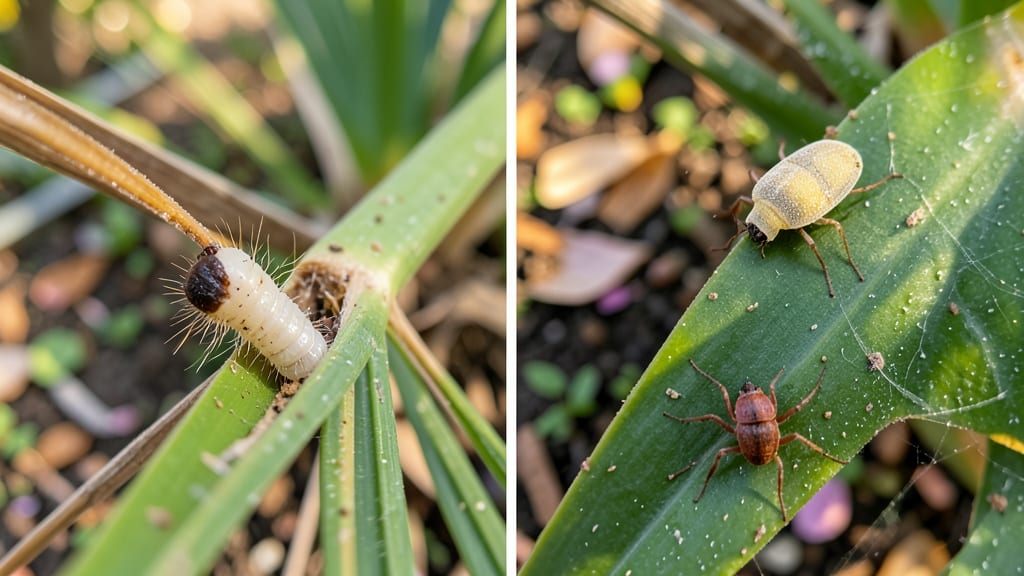
Your palm tree’s brown fronds and oozing sap are a sure sign of palm tree insects—and the good news is you can fight back without harsh chemicals. 🌿 I’ve battled palm weevils and spider mites myself, and these natural methods saved my trees from decline.
The key is acting fast before the damage spreads.
Start by identifying the culprit: palm weevils leave sawdust-like frass near the base, while spider mites create fine webbing on fronds. Once you know the enemy, you’ll need a few simple tools—neem oil, insecticidal soap, and a sturdy hose.
These work better than store-bought sprays and won’t harm your tree’s health long-term.
You’ll see results within 2-3 weeks of consistent treatment: new fronds unfurl green, sap stops oozing, and the tree regains its vigor. The best part? These methods prevent future outbreaks, so your palm stays lush and healthy for years. Let’s get those pests under control.
Works for all palm varieties—from dwarf palms to towering canary palms—no matter where you live. The secret is persistence: repeat treatments every 7-10 days until the infestation clears. Your tree will thank you with fresh, vibrant growth.
📚 In This Guide
- What you need
- Instructions
- Tips and common mistakes
- Wrapping up and next steps
What you need
- ● Gloves (nitrile or rubber): 1 pair (thick, chemical-resistant, for safety while handling insects or sprays)
- ● Pruning shears or saw: 1 (sharp, sterilized, for trimming infested fronds or branches)
- ● Garden hose with nozzle: 1 (for rinsing off insects or diluting solutions)
- ● Spray bottle (16–32 oz): 1–2 (for applying homemade insecticides or neem oil)
- ● Neem oil (100% cold-pressed): 1 bottle (16 oz, organic and food-safe)
- ● Dish soap (mild, unscented): 1 bottle (e.g., Castile soap, 12–16 oz)
- ○ Spraying backpack or pump sprayer: 1 (optional but helpful for larger palms; 1–2 gallon capacity)
- ● Sticky traps (yellow or blue): 2–4 (for monitoring insect activity)
- ● Hydrogen peroxide (3% solution): 1 bottle (16 oz, for fungal prevention post-treatment)
- ● Beneficial nematodes (Steinernema feltiae): 1–2 million per application (targets grubs and larvae)
- ● Ladybugs or lacewings (live predators): 500–1,000 (for biological control of soft-bodied insects)
- ● Diatomaceous earth (food-grade): 1 lb (sprinkle lightly on soil to deter crawling pests)
- ● Pest identification guide or magnifying glass: 1 (to confirm insect types before treatment)
- ● Wheelbarrow or bucket: 1 (for mixing solutions or collecting debris)
- ● Safety goggles: 1 pair (if working with strong sprays or near eyes)
Step-by-Step guide to identifying and treating common palm tree insects
Here’s how to keep your palms thriving by spotting pests early and using gentle, effective solutions.
🌿 Step 1: Inspect Your Palm Tree for Early Signs of Infestation
Start by examining the fronds, trunk, and soil around your palm. Look for webby silk (a sign of spider mites), tiny holes in leaves (palm weevil larvae), or sticky residue (scale insects). I always check the undersides of fronds first—that’s where pests hide. Focus on the youngest fronds too, as they’re the first to show stress.
Run your fingers along the trunk and leaf bases—feel for sawdust-like frass (insect droppings) or chewed tissue. If you spot black sooty mold on the fronds, that’s a red flag for sap-sucking pests like mealybugs or aphids. Don’t wait until leaves turn brown; act when you see the first signs.
🔍 Step 2: Identify the Pest and Choose the Right Control Method
Each pest needs a different approach. Spider mites (tiny red dots) thrive in dry heat, so I spray leaves with water first to knock them off, then apply neem oil (mix 1 tablespoon per quart of water). For palm weevil larvae, look for frass and wilting fronds—prune infected fronds immediately and treat the trunk with systemic insecticide granules (follow label rates).
If you see scale insects (brown bumps on stems), scrape them off with a plastic scraper (metal cuts the bark) and spray with soapy water (1 tablespoon mild dish soap per gallon). For mealybugs (cottony white clusters), dab them with 70% isopropyl alcohol on a cotton swab. Always test treatments on a small area first.
💧 Step 3: Apply Natural Remedies for Long-Term Prevention
Start with preventative sprays every 2-3 weeks during warm months. My go-to is neem oil mixed with water and a drop of dish soap (as an emulsifier). Spray early morning or late evening to avoid burning leaves in direct sun. For soil-dwelling pests, apply beneficial nematodes (like Steinernema carpocapsae) to the root zone—these microscopic worms attack grubs without harming the tree.
Boost your palm’s resilience by watering deeply but infrequently (let the top 2-3 inches of soil dry between waterings). Overwatering stresses palms and attracts pests. I also mulch with 2-3 inches of wood chips around the base to deter crawling insects and retain moisture. Healthy palms resist infestations better.
✂️ Step 4: Prune and Clean Up to Break the Pest Cycle
Remove all infested fronds—even if they’re only partially damaged. Use sterilized pruners (wipe with 70% alcohol) to avoid spreading pests. Bag the clippings and dispose of them in the trash (not compost). For trunk infestations, drill 1-inch holes every 6 inches around the trunk and inject insecticide directly into the tissue. Seal holes with tree wound dressing to prevent reinfection.
After pruning, sanitize your tools and hose down the trunk to wash away eggs or residue. I also rotate my treatment methods—never use the same solution twice in a row—to prevent pests from building resistance. Keep the area around your palm clean and weed-free (weeds harbor pest populations).
🌱 Step 5: Monitor and Maintain for Long-Term Health
Check your palm weekly during growing seasons (spring and summer). Look for new frass, webbing, or unusual leaf spots—early detection is key. I keep a small notebook by my tools to log treatments and note when I last saw pests. If infestations return, the problem might be overwatering, poor drainage, or nutrient deficiencies—address those first.
Feed your palm once in early spring with a balanced, slow-release fertilizer (like 8-8-8) to strengthen its defenses. Avoid high-nitrogen fertilizers—they attract sap-sucking pests. If you see yellowing fronds, it could signal thrips or nutrient imbalance—test your soil and adjust care accordingly. A healthy palm is your best defense.
Tips & tricks for healthy palm tree care
Keeping your palm tree pest-free starts with these practical strategies that build on the step-by-step methods you've already learned.
Early Detection Secret: In Step 1, when inspecting for webby silk or sticky residue, bring a small flashlight to examine the undersides of fronds—pests often hide in shadows. I've found that checking during the early morning hours when dew is present makes spotting signs like sooty mold much easier. The cooler temperatures also slow pests down, giving you a better chance to identify them before they spread.
Pest-Specific Treatment: For Step 2's neem oil application, I've discovered that adding 1 teaspoon of vegetable oil per quart helps the neem oil stick better to leaves, especially in dry conditions. When dealing with mealybugs, I've had the best results using a cotton swab dipped in 70% isopropyl alcohol—it kills them on contact without harming the plant. Always test treatments on a small area first, as some palms may be more sensitive than others.
Preventative Care: In Step 3, when applying preventative sprays every 2-3 weeks, I recommend mixing your neem oil solution in a spray bottle with a fine mist setting to ensure even coverage. For soil-dwelling pests, beneficial nematodes work best when applied after watering—this helps them move deeper into the soil where grubs hide. Remember to keep your mulch layer at 2-3 inches to create a barrier that deters crawling insects.
Pruning Precision: When following Step 4's pruning instructions, I always use a sharp, sterilized pruner to make clean cuts that heal faster. For trunk infestations, I've found that drilling holes 1-inch deep and injecting insecticide works better than surface applications. After pruning, I always dispose of infected fronds in sealed plastic bags to prevent spreading pests to other plants in your garden.
Pro Tips for Palm Tree Insects
- Keeping your palm tree pest-free starts with these practical strategies that build on the step-by-step methods you've...
- Early Detection Secret: In Step 1, when inspecting for webby silk or sticky residue, bring a small flashlight to exam...
- Pest-Specific Treatment: For Step 2's neem oil application, I've discovered that adding 1 teaspoon of vegetable oil p...
Frequently asked questions
Got questions about palm tree insects and how to keep them under control?
You’re not alone! Here are some of the most common concerns—and straightforward answers—to help you protect your palm trees naturally.
What are the most common insects that attack palm trees?
The top culprits include palm weevils (like the red and black palm weevil), palm aphids, mealybugs, scale insects, and thrips. These pests target fronds, trunks, and roots, causing wilting, discoloration, or even tree death if left unchecked. Early identification is key!
How quickly can palm tree insects cause damage?
It depends on the pest! Palm weevils, for example, can kill a tree in just 2-4 weeks once they infest the trunk. Aphids and mealybugs may take months to weaken a tree, but their sticky residue (honeydew) attracts sooty mold, which further stresses the plant. Regular inspections (every 4-6 weeks) help catch issues early.
Are there natural ways to prevent insect infestations before they start?
Start with cultural controls: Remove fallen fronds/debris (pests hide there), water deeply but infrequently (to discourage fungus-loving insects), and fertilize with balanced, slow-release nutrients (over-fertilizing attracts pests). For extra protection, apply neem oil or kaolin clay as a preventive spray every 2-3 months.
What should I do if I already see signs of an infestation?
Act fast! For trunk borers (weevils), inject systemic insecticides like imidacloprid (follow label instructions). For frond pests (aphids, mealybugs), blast them off with water, then spray with soapy water or horticultural oil. If the tree is severely damaged, consult an arborist—some infestations require professional treatment.
Can I use chemical pesticides safely around palm trees?
Use chemicals only as a last resort, and choose palm-safe options like pyrethrin-based sprays or Bt (Bacillus thuringiensis) for caterpillars. Avoid broad-spectrum neonicotinoids (they harm beneficial insects). Always follow label rates, apply in early morning/evening to reduce bee exposure, and water the soil afterward to dilute residue.
Wrapping up and next steps
Palm tree insects may seem like a daunting challenge, but with the right knowledge and natural methods, you can keep your palms thriving without harsh chemicals. 🌿 From neem oil sprays to introducing beneficial predators, these solutions are eco-friendly and effective. Remember, early detection and consistent care are key!
Ready to take action? Start by inspecting your palm trees regularly and applying the techniques that work best for your specific pests. Your green thumbs—and your palms—will thank you!