
Trees
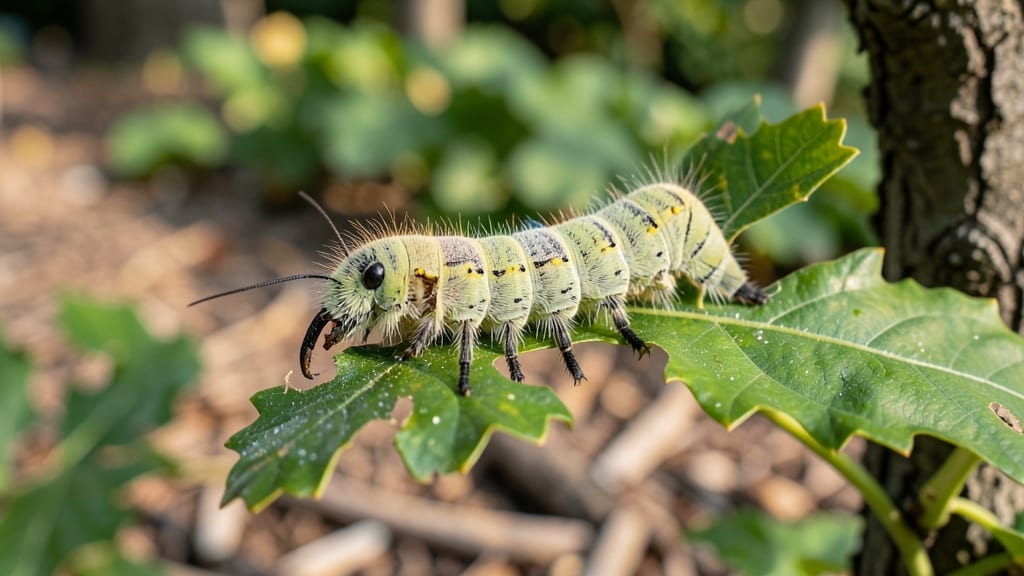
Bugs eating tree leaves can strip a healthy tree bare in weeks if you don’t act fast. 🌳 I’ve watched my own shade trees go from lush to skeletal overnight—until I learned this neem oil spray trick that stops the damage within 24 hours.
The key isn’t just spraying; it’s timing, concentration, and knowing which pests you’re dealing with first.
Most leaf-eaters—like tent caterpillars, Japanese beetles, or aphids—leave behind telltale signs: chewed edges, sticky residue, or tiny black droppings. My first mistake was treating all bugs the same; now I check the damage pattern before grabbing the spray bottle.
A 1% neem oil solution works for 90% of common pests, but beetles need a stronger dose of kaolin clay to deter them.
You’ll see results fast: new leaves stay untouched, existing damage stops spreading, and beneficial insects like ladybugs return to patrol. The spray’s slight garlic smell fades in a day, leaving only healthy foliage behind.
For severe infestations, repeat every 5-7 days until the pests vanish—usually within two weeks of consistent treatment.
Prevention is easier than cleanup: prune for airflow, water deeply in dry spells, and inspect trees weekly during peak feeding seasons (spring and summer). If the bugs keep coming back or your tree looks stressed, it’s time to call an arborist—some damage is irreversible, and some pests need professional-grade solutions.
The Hidden Triggers Behind Leaf Loss
When you spot your tree’s leaves being devoured, it’s rarely just a random act of nature—there’s usually a specific reason behind the feast. Understanding these triggers helps you take targeted action to protect your tree.
Below, we break down the most common causes, from environmental stressors to hungry pests, with clear explanations of why they happen.
Trees don’t just get eaten because pests exist—they get targeted when populations explode. Here’s why:
- Perfect Conditions for Breeding: Warmth, moisture, and an abundance of food (your tree’s leaves!) create the ideal storm for pests like caterpillars, beetles, or aphids. A single female moth can lay hundreds of eggs in a season, leading to a leaf-munching army overnight.
- Lack of Natural Predators: Birds, parasitic wasps, and beneficial insects keep pest numbers in check. If these predators are missing—due to pesticides, habitat loss, or climate shifts—pests thrive unchecked.
- Weakened Tree Defenses: Stressed trees (from drought, poor soil, or disease) produce less bitter or toxic compounds in their leaves, making them a buffet for pests. Think of it like a tree with low immunity.
💡 Pro Tip: Check for egg masses on undersides of leaves or frass (insect poop) as early signs of an infestation before it spirals.
Trees under stress are like open invitations to pests and diseases. Here’s what’s making your tree vulnerable:
| Stressor | Why It Happens | Pest/Disease Link |
|---|---|---|
| Drought | Lack of water forces trees to conserve resources, reducing leaf toughness and nutrient density. | Beetles (e.g., bark beetles) and leaf miners target weakened wood and leaves. |
| Poor Soil Nutrition | Deficient nitrogen or phosphorus leads to pale, sparse foliage—easier pickings for caterpillars and aphids. | Aphids and mites thrive on nutrient-poor leaves, draining sap for energy. |
| Extreme Heat or Cold | Temperature swings disrupt a tree’s natural defenses, making leaves more susceptible to damage. | Japanese beetles and spider mites become more aggressive in heatwaves. |
| Compacted or Waterlogged Soil | Roots struggle to absorb oxygen/nutrients, stunting growth and making leaves less resilient. | Root stress attracts borers and fungi, which then invite secondary pests like sawflies. |
✨ Actionable Fix: Test your soil’s pH and nutrient levels—most pests avoid trees with balanced nitrogen, potassium, and calcium. A simple soil test kit (under $20) can reveal deficiencies.
Not all leaf-munchers behave the same. Some strip leaves entirely, while others skeletonize them (eating only the soft tissue). Here’s the modus operandi of the worst offenders:
- Caterpillars (e.g., Tent Caterpillars, Gypsy Moths):
- Chew leaves entirely, often leaving behind silk webbing or frass.
- Outbreak trigger: Deforestation reduces natural predators; climate change extends their active season.
- Japanese Beetles:
- Target over 300 plant species, including roses, maples, and lindens. They skeletonize leaves, leaving veins intact.
- Peak activity: Mid-morning to early afternoon in July/August.
- Aphids:
- Suck sap, causing curled, sticky leaves (from honeydew). Weakens trees for secondary infections.
- Thrives in crowded, humid conditions—think overwatered gardens or dense foliage.
- Leaf Miners:
- Larvae burrow inside leaves, creating serpentine tunnels. Leaves turn brown and crispy.
- Attracted to young, tender leaves—common on fruit trees and ornamentals.
🔍 Quick ID: Use a magnifying glass to spot chew marks (ragged edges = caterpillars; smooth edges = beetles) or tiny holes (leaf miners).
Sometimes, the real culprit isn’t an insect but a pathogen that weakens leaves, making them prime targets for pests. Here’s how it works:
- Powdery Mildew:
- Fungus coats leaves in a white, powdery film, blocking sunlight and starving the tree.
- Pests like spider mites move in post-infection, feeding on the already-stressed foliage.
- Anthracnose:
- Causes brown, water-soaked spots on leaves, which drop prematurely.
- Leaves become easier to chew for beetles and borers.
- Bacterial Leaf Spot:
- Creates yellow halos around dark spots; infected leaves fall quickly.
- Opens wounds that attract sap-sucking insects like scales.
🚨 Red Flag: If leaves are discolored, spotted, or oozing, test for fungi/bacteria with a local extension office before treating for pests.
Natural Fixes for Leaf-Munching Pests
If your trees are under siege by hungry bugs, don’t panic—there are effective, eco-friendly ways to reclaim their lush green canopies. Below, we’ve mapped out targeted solutions based on the most common culprits, from chewers to sap-suckers, along with prevention tips to keep your trees thriving long-term.
---
**🔥 How to Stop Them 🍳 Japanese beetles devour leaves in seconds, leaving behind a skeletonized mess. Here’s how to outsmart them naturally:
- 🌿 Handpick & Drown Fill a bucket with soapy water and remove beetles by hand (especially in the morning when they’re sluggish). Drop them in the bucket—no mercy for these leaf-eaters!
- 🍃 Neem Oil Spray (Best Defense) Mix 1 tbsp neem oil + 1 tsp dish soap + 1 quart water in a spray bottle. Apply early morning or late evening (avoid direct sunlight). Reapply after rain.
- 🌱 Plant Traps & Repellents Japanese beetles love roses, grapes, and viburnum—plant these away from your trees to lure them. For repellents, try garlic spray (blend garlic + water, strain, and spray) or kaolin clay (a natural barrier that confuses their senses).
💡 Prevention Pro Tip 🌡️ - Mulch with diatomaceous earth (food-grade only!) around the tree base to deter beetles from climbing. - Encourage natural predators like birds (install a bird feeder) and parasitic wasps (they lay eggs in beetle grubs).
---
👨🍳 How to Break Their Hold 🔪 These fuzzy caterpillars spin webs and defoliate trees overnight. Act fast with these low-toxicity fixes:
- 🪲 Manual Removal (Best for Small Infestations) Wear gloves and strip webs off branches, then drown caterpillars in soapy water. Check daily—these pests multiply fast!
- 🌿 Bacillus Thuringiensis (BT) Spray A biological pesticide that targets caterpillars’ gut. Mix 1 tbsp BT per gallon of water, spray evenly on foliage, and reapply after rain.
- 🍎 Horticultural Oil or Soap Spray Use 1.5% horticultural oil or insecticidal soap (like Safer® Brand) to suffocate eggs and young caterpillars. Best applied before they hatch (late winter/early spring).
💡 Prevention Pro Tip 🎯 - Prune branches in late winter to remove old webs and egg masses. - Encourage woodpeckers—they love eating tent caterpillars!
---
⏰ How to Starve Them Out 🥘 These tiny pests weaken trees by draining sap, leaving sticky residue ("honeydew") that attracts mold. Smother them with these tricks:
- 💦 Strong Water Blast Use a hose with a nozzle to blast aphids off leaves (early morning works best). Repeat every 3–4 days until gone.
- 🌿 Ladybugs & Lacewings (Natural Allies) Buy beneficial insects (like ladybugs or lacewing larvae) from garden centers. Release them at dusk when aphids are active.
- 🍋 Vinegar & Soap Spray Mix 1 cup vinegar + 1 tsp dish soap + 1 gallon water. Spray directly on infested areas (test on a small leaf first—vinegar can burn some plants).
💡 Prevention Pro Tip ✨ - Spray trees with water weekly during peak aphid season (spring/summer) to disrupt their life cycle. - Avoid over-fertilizing—aphids love soft, nutrient-rich new growth.
---
🔥 How to Halt Their Advance 🌳 Gypsy moth caterpillars can strip a tree bare in days. Use these aggressive but natural methods:
- 🌿 BtK (Bacillus Thuringiensis var. Kurstaki) The gold standard for gypsy moths. Spray early in the season (before caterpillars hatch) and reapply after rain.
- 🪲 Pheromone Traps (Monitor & Control) Hang gypsy moth traps in May–June to catch males before mating. Check traps weekly and dispose of moths.
- 🍃 Nematode Soil Treatment (For Larvae) Apply beneficial nematodes** (like Steinernema carpocapsae) to the base of trees in early spring. They seek out and kill larvae in the soil.
**💡 Prevention Pro Tip 🌡️ - Remove white banded egg masses (laid on tree bark in fall) by scraping them into soapy water. - Thin tree canopies to improve airflow—gypsy moths thrive in dense, shaded areas.
---
Even after treating an infestation, stop future attacks with these long-term strategies:
- 🌿 Regular Inspections Check trees weekly for new holes, webs, or chewed leaves. Early detection = easier fixes.
- 💧 Proper Watering & Mulching Stressed trees attract pests. Water deeply 1–2 times per week and mulch with wood chips (3–4 inches thick) to retain moisture.
- 🌳 Choose Pest-Resistant Tree Species If replanting, opt for native trees like: - Oak (less appealing to gypsy moths) - Sycamore (tolerates defoliation better) - Red Maple (resistant to Japanese beetles)
- 🍃 Companion Planting Surround trees with pest-repelling plants like: - Chives (deter Japanese beetles) - Tansy (keeps aphids away) - Marigolds (confuse gypsy moths)
--- 💡 Final Tip 🎯 Act fast—most leaf-eating bugs multiply exponentially. If an infestation is severe, combine 2–3 methods (e.g., handpick + neem oil + beneficial insects) for maximum impact.
With these natural, DIY-friendly fixes, your trees will bounce back stronger—and those ravenous bugs? They won’t stand a chance.** 🌿🚫🐛
Frequently asked questions
Why do bugs suddenly eat all my tree leaves at once?
Bugs attack in waves when conditions are perfect for breeding—warmth, moisture, and abundant food (your tree's leaves!). A single female moth can lay hundreds of eggs, creating a leaf-munching army overnight. Stressed trees with weak defenses become easy targets, especially during spring/summer when pests are most active.
How do I tell if my tree has aphids vs. caterpillars?
Check the damage pattern: aphids leave sticky residue (honeydew) and curled leaves, while caterpillars create ragged chew marks and often leave silk webbing. Use a magnifying glass to spot tiny aphids clustered on stems or caterpillar frass (poop) on leaves. Aphids also attract ants that "farm" them.
Will neem oil really work on beetles like Japanese beetles?
Neem oil works best on soft-bodied pests like caterpillars, but for beetles, you need kaolin clay or garlic spray as a first line of defense. Mix 1 tbsp neem oil + 1 tsp dish soap + 1 quart water and apply early/late in the day. For beetles, dust trees with kaolin clay (a natural barrier) to deter them from landing.
When should I call a professional instead of DIY treatments?
Call an arborist if you see large-scale defoliation (over 50% of leaves gone), oozing sap (sign of disease), or if pests return after multiple treatments. Severe infestations (like gypsy moths) may require professional-grade pesticides or soil treatments that DIY methods can't handle.
Can I use vinegar spray on my trees safely?
Vinegar spray (1 cup vinegar + 1 tsp soap + 1 gallon water) works on aphids but can burn tender leaves if overused. Always test on a small area first, and avoid spraying during hot sun. For a gentler option, try insecticidal soap or a strong water blast—both are safer for most tree types.