
Pruning
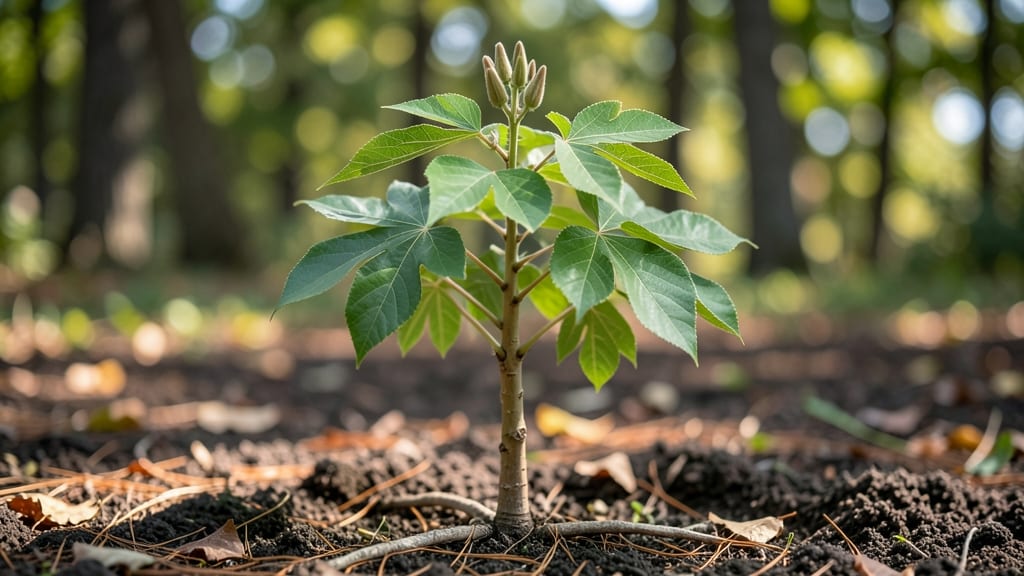
Your buckeye tree sapling could reach 12 feet in its first decade with the right care. 🌱 I planted mine last spring, and by summer it was already throwing out sturdy branches—no waiting around for slow growth.
The secret isn’t complicated: it’s about matching the tree’s natural rhythm with smart planting and consistent habits.
Start with well-draining soil mixed with compost—buckeyes hate soggy roots. A sunny spot with 6+ hours of light daily is non-negotiable, and planting at the same depth it grew in the nursery prevents stress.
Water deeply once a week (more in summer heat), but let the top 2 inches dry between waterings to avoid rot. Mulch around the base to lock in moisture and keep weeds away.
You’ll notice new leaves by late spring, and those branches will thicken faster than you expect. Prune only to remove dead wood or crossing limbs—buckeyes handle pruning surprisingly well. By year three, you’ll have a tree that’s already outpacing its neighbors, with a strong trunk ready for decades of growth.
Works in zones 3-9, though southern climates need afternoon shade. The biggest mistake? Overwatering or planting too deep. Stick to these basics, and you’ll have a buckeye that grows like it’s been there for years—not months. Let’s get that sapling thriving!
📚 In This Guide
- What you need
- Instructions
- Tips and common mistakes
- Wrapping up and next steps
What you need
- ● Buckeye tree sapling: 1-3 saplings (1-2 feet tall, with healthy roots and branches). Choose Aesculus glabra (Ohio buckeye) or Aesculus pavia (red buckeye) for best results.
- ● Well-draining potting soil: 5-10 gallons (mix organic compost with perlite or sand for aeration).
- ● Garden gloves: 1 pair (to protect hands from sap and soil).
- ● Watering can or hose: With a gentle spray nozzle for hydration.
- ● Fertilizer: Slow-release, balanced 10-10-10 or organic options like fish emulsion (follow package instructions).
- ● Trowel or shovel: For digging holes (6-8 inches deep for saplings).
- ● Pruning shears: Sharp, sterilized shears (for trimming dead branches or shaping).
- ○ Mulch (optional): 2-3 inches of wood chips or straw to retain moisture.
- ○ Stakes & twine (optional): For young saplings in windy areas.
- ○ pH test kit (optional): To ensure soil pH is 6.0-7.0 (buckeyes prefer slightly acidic to neutral soil).
- ● Sunlight: Full sun (6+ hours/day) for optimal growth.
- ● Space: 15-20 feet apart for mature buckeye trees (they spread!).
- ● Water access: Consistent moisture (but avoid waterlogging).
- ● Patience: Buckeyes grow 1-2 feet per year—fast for a tree!
Step-by-step instructions for growing buckeye tree saplings
Here’s how to give your young buckeye tree the best start for rapid, sturdy growth.
🌱 Step 1: Choose the Right Planting Spot
Buckeye saplings thrive in full sun to partial shade, so pick a location with at least 6 hours of sunlight daily. I always look for a spot with well-draining soil—buckeyes hate soggy roots. If your soil is heavy clay, mix in 2-3 inches of compost to improve drainage before planting.
Dig a hole twice as wide as the sapling’s root ball but only as deep as the container it came in. This prevents burying the trunk too deep, which can cause rot. Gently loosen the roots if they’re circling tightly in the pot—this encourages outward growth.
💧 Step 2: Water Deeply and Mulch for Moisture Retention
Water the sapling deeply right after planting—soak the soil until it’s damp 12 inches down. You’ll know it’s enough when water runs out the bottom of the hole. After that, water once a week unless it rains, giving 1-2 gallons per watering depending on the sapling’s size.
Spread 2-3 inches of mulch around the base, keeping it 3 inches away from the trunk to prevent rot. I use shredded bark or wood chips—it locks in moisture, keeps roots cool, and suppresses weeds. Replenish mulch every 6 months to maintain its effectiveness.
☀️ Step 3: Protect Young Saplings from Wind and Pests
Buckeye saplings are tender in their first year, so shield them from strong winds by planting near a fence or natural barrier. If you’re in a windy area, stake the sapling with 2-3 supports tied loosely to the trunk—too tight, and you’ll strangle its growth.
Watch for common pests like aphids or borers. I inspect leaves weekly for holes or sticky residue—early signs of trouble. If you spot pests, spray with soapy water (1 tsp mild dish soap per gallon of water) or use neem oil for organic control.
✂️ Step 4: Prune for Strong Branch Structure
Prune in late winter or early spring while the tree is still dormant. Remove any crossing branches or those growing inward—they’ll compete for nutrients and weaken the tree. Cut just above a bud or branch collar to encourage healthy regrowth.
Don’t over-prune! I aim to remove no more than 20% of the foliage in the first year. Focus on shaping the tree rather than trimming for size. Strong branches form the foundation for fast growth, so be patient.
⏰ Step 5: Fertilize for Fast Growth (But Don’t Overdo It)
Feed your buckeye sapling in early spring with a balanced fertilizer (10-10-10). Use ½ cup per year of the tree’s age—so a 2-year-old gets 1 cup. Spread it evenly around the root zone and water it in well.
Skip fertilizer in the first year if the soil is rich. Too much nitrogen can lead to weak wood. Instead, focus on watering and mulching—buckeyes grow best when their roots are happy, not when they’re forced with extra nutrients.
Tips & tricks for perfect buckeye tree saplings
Here's what nobody tells you about giving your buckeye sapling the fastest, strongest start possible.
Soil Prep Secret: Before planting, mix in 2-3 inches of compost if your soil is heavy clay—this isn't just about drainage, it's about creating the perfect air-to-soil ratio that buckeyes crave. The roots will spread wider and deeper when they're not struggling with compacted soil. Confession: I skipped this step for years and wondered why my saplings always looked stunted.
Watering Wisdom: That initial deep watering after planting should be your first priority. Soak until water runs out the bottom of the hole—that's your confirmation the roots have access to moisture all the way down to 12 inches. After that, stick to the once-a-week schedule unless it rains, but adjust for your sapling's size: 1 gallon for small saplings and 2 gallons for larger ones. Underwatering is the #1 reason buckeyes struggle in their first year.
Mulch Mastery: The 2-3 inches of mulch isn't just decoration—it's your sapling's temperature regulator. Keep it 3 inches away from the trunk to prevent rot, but don't skimp on the coverage. I've seen mulch dry out after just 3 months in hot climates, so check it regularly. The goal is to keep roots cool in summer and insulated in winter, which directly translates to faster growth.
Pruning Precision: When you're pruning in late winter, focus on removing branches that cross or grow inward—these are the ones that'll compete for nutrients. Cut just above a bud or branch collar, and remember: you're shaping the future structure, not just trimming for looks. I learned this the hard way after pruning too aggressively and watching my sapling struggle to recover.
Pro Tips for Buckeye Tree Sapling
- Here's what nobody tells you about giving your buckeye sapling the fastest, strongest start possible.
- Soil Prep Secret: Before planting, mix in 2-3 inches of compost if your soil is heavy clay—this isn't just about drainage, it's about creating the perfect air-to-soil ratio that buckeyes crave.
- Watering Wisdom: That initial deep watering after planting should be your first priority.
Frequently asked questions
Got questions about growing buckeye tree saplings? You’re not alone! Here are some of the most common concerns—and quick answers to help you nurture a thriving young tree.
How long does it take for a buckeye sapling to establish strong roots?
A buckeye sapling typically takes 1–2 years to develop a robust root system, especially in well-draining soil. Focus on watering deeply (but not soggy) and mulching to encourage root growth. Patience pays off—strong roots mean a healthier, faster-growing tree!
When is the best time to plant a buckeye sapling?
Plant your sapling in early spring or fall when temperatures are mild. Avoid extreme heat or frost, as these can stress young roots. If planting in summer, water thoroughly and provide shade to reduce transplant shock.
Can I grow a buckeye tree from seed, or should I buy a sapling?
While you can grow from seed (it’s fun!), saplings are faster and more reliable for landscaping. Seeds may take 2–3 years to mature, while a 1–2 year-old sapling gives you instant structure. Plus, saplings are less prone to pests and diseases early on.
Why are the leaves on my buckeye sapling turning yellow?
Yellowing leaves often signal overwatering, poor drainage, or nutrient deficiency. Check the soil—it should be moist but not waterlogged. If the roots are soggy, adjust watering and amend the soil with compost. Yellow edges? It might be iron deficiency—try a chelated iron supplement.
How much sun does a buckeye sapling need?
Buckeye trees thrive in full sun (6+ hours daily), but young saplings benefit from partial shade (especially in hot climates) to reduce stress. Once established, they’ll handle full sun beautifully—just monitor for leaf scorch in peak summer heat.
Pro Tip:
Mulch around your sapling with 2–3 inches of organic mulch (like wood chips) to retain moisture and regulate soil temperature. Just keep it away from the trunk to prevent rot.
Wrapping up and next steps
Growing a healthy buckeye tree sapling is all about patience, proper care, and a little know-how! 🌱 With the right soil, sunlight, and pruning techniques, your young tree will thrive and reward you with strong roots and lush branches in no time.
Remember, consistency is key—whether you're watering, fertilizing, or trimming.
Now that you're armed with these fast-growth tips, why not take the next step? Plant your sapling this weekend and watch it flourish! Share your progress with fellow gardening enthusiasts or even snap a photo for inspiration—happy growing! 🌿