
Pruning
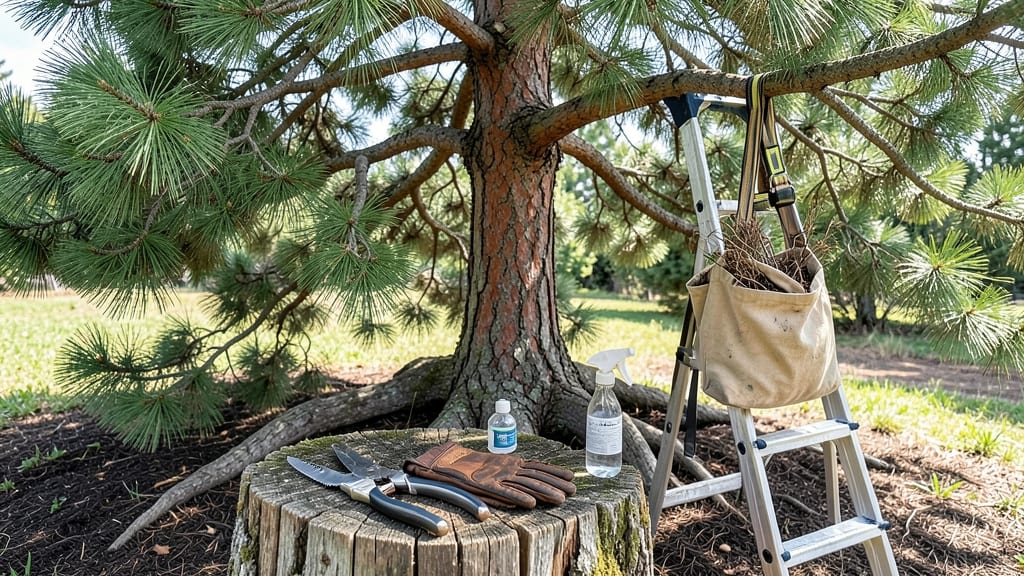
Dead branches on your pine tree aren’t always a death sentence—they’re often fixable with the right approach. 🌲 I’ve nursed back more than a few pines by learning to spot the difference between deadwood and dormant growth, and knowing exactly when (and how) to prune.
The key? Acting at the right time and using sharp tools to avoid stressing the tree further.
Most dead branches result from disease, pests, or environmental stress—think winter burn, drought, or fungal infections. Brown, brittle needles that crumble at a touch? That’s a dead giveaway (pun intended). Healthy branches, though, have green needles that stay firm even when pinched, and new growth at the tips.
The good news? Pines are resilient—with proper pruning, they bounce back stronger than ever.
Here’s the game-changer: prune only in late winter or early spring when the tree is dormant but before new growth starts. Use clean, sharp pruners to make cuts just outside the branch collar—the swollen area where the branch meets the trunk.
This prevents damage and helps the tree heal faster. After pruning, keep an eye out for sap oozing—it’s a sign the tree is fighting back.
For long-term health, focus on prevention: water deeply during droughts, mulch to retain moisture, and avoid over-fertilizing. A little TLC now means fewer dead branches later—and a pine that stays lush, tall, and full of life for decades. Let’s get those branches thriving again.
Root Causes Behind Branch Decline
Dead branches on pine trees are often a cry for help—your tree may be struggling silently before the symptoms become obvious. Understanding the underlying causes is the first step to revival. Below, we break down the most common reasons, backed by science, so you can diagnose and act with confidence.
Pine trees are hardy, but extreme or prolonged environmental conditions can push them past their limits. Here’s how climate and weather take their toll:
- Drought and Water Deficiency Pine trees are drought-tolerant, but severe or prolonged dry spells can cause hydraulic failure—when the tree can’t pull enough water from the roots to reach the branches.
Without moisture, cells in the needles and branches die, leading to browning and brittle wood. - Actionable tip: 💡 Mulch around the base (2–4 inches deep) to retain soil moisture and reduce evaporation. Water deeply once a week during dry spells (1–1.5 inches of water).
- Temperature Extremes Pines thrive in specific temperature ranges, and freeze damage (below 10°F) or heat stress (above 95°F for prolonged periods) can disrupt cellular function. - Cold damage: Ice crystals form in plant tissues, rupturing cells and blocking nutrient transport. - Heat damage: High temperatures increase transpiration (water loss), while the tree’s roots struggle to keep up. - Actionable tip: 🌡️ In cold climates, wrap young pines with burlap during winter.
In hot zones, provide afternoon shade with shade cloth (30–50% coverage).
- Wind and Physical Trauma Chronic wind exposure can desiccate (dry out) branches by increasing water loss, while sudden storms can snap or tear bark, exposing the tree to pests and disease. - Actionable tip: 🌬️ Prune branches to improve airflow and reduce wind resistance.
After storms, inspect for broken limbs and remove them promptly to prevent infection.
Pine trees are susceptible to pathogens and insects that weaken structural integrity. Here’s how they strike:
- Fungal Infections Fungi like Armillaria root rot or Diplodia tip blight thrive in moist, stressed conditions, blocking nutrient flow and causing branch dieback. - Signs: Yellowing needles, blackened tips, or mushrooms at the base. - Actionable tip: ✂️ Remove infected branches 12 inches below the damage to prevent spread.
Apply copper fungicide (e.g., Bordeaux mixture) as a preventative.
- Bark Beetles and Borers These pests tunnel into the phloem (the tree’s food-transport layer), disrupting nutrient delivery. Mountain pine beetles are notorious for this in Western pines. - Signs: Sawdust-like frass at the base, pitch tubes (sticky resin), or red/brown needles. - Actionable tip: 🪲 Introduce natural predators (e.g., woodpeckers) or use pheromone traps to monitor populations.
For severe infestations, consult a certified arborist for treatment.
- Needle Cast Diseases Fungi like Lophodermium seditiosum cause needles to drop prematurely, starving branches of energy.
- Signs: Brown, matted needles in the upper canopy.
- Actionable tip: 🌿 Prune for airflow and apply fungicidal sprays (e.g., chlorothalonil) in early spring.
Even resilient pines need the right growing conditions. Soil issues can silently starve branches of essential nutrients:
- Compacted or Poor-Draining Soil Pines prefer well-draining, slightly acidic soil (pH 4.5–6.0). Compacted soil restricts root growth, while waterlogged conditions lead to root rot. - Actionable tip: 🏗️ Aerate the soil with a garden fork or gypsum amendments to improve drainage.
Test soil pH and amend with sulfur if too alkaline.
- Nitrogen or Micronutrient Deficiencies Yellowing needles (chlorosis) often signal nitrogen deficiency, while magnesium or manganese shortages cause brown spots.
- Actionable tip: 📊 Conduct a soil test and apply slow-release fertilizer (e.g., 10-10-10) in early spring. For micronutrients, use chelated iron or Epsom salt (magnesium sulfate).
- Over-Fertilization Too much fertilizer can burn roots or create salt buildup, further stressing the tree.
- Actionable tip: 🚫 Avoid high-nitrogen fertilizers. Opt for organic matter (compost or pine bark mulch) instead.
Even well-meaning pruning can harm pines if done incorrectly. Here’s how:
- Over-Pruning or Improper Cuts Pines are evergreens with shallow roots—removing too much foliage (over 25% of the canopy) reduces photosynthesis, weakening branches. - Mistakes to avoid: - Cutting too close to the trunk (leave a ¼-inch stub). - Making flush cuts that expose the tree to disease. - Actionable tip: ✂️ Prune in late winter/early spring (dormant season).
Use clean, sharp tools and sterilize them with rubbing alcohol between cuts.
- Incorrect Pruning Techniques Pines have whorled branch patterns—removing entire whorls disrupts the tree’s natural structure.
- Actionable tip: 🎯 Target dead, crossing, or rubbing branches first. For shaping, remove no more than 10–15% of the canopy per year.
- Physical Damage from Tools or Equipment Scrapes from lawnmowers or chainsaws can create entry points for pathogens.
- Actionable tip: 🛡️ Use tree wraps on young pines and avoid parking vehicles against the trunk.
Revive Your Pine Tree Branches
Now that you understand why your pine tree’s branches are dying, it’s time to take action! The good news is that many issues can be reversed with the right care.
Below, we’ll break down practical solutions tailored to the most common causes of dead branches, along with prevention tips to keep your pine tree thriving.
If your pine tree’s branches are turning yellow or brown due to poor nutrition, it’s time to feed it properly.
How to Fix It:
- Test the Soil 🔬 – Use a soil test kit to check pH and nutrient levels. Pines prefer slightly acidic soil (pH 5.0–6.5).
- Apply Slow-Release Fertilizer 🌱 – Choose a balanced, acidic fertilizer (like 10-10-10 or a pine-specific formula). Spread it evenly around the root zone in early spring or fall.
- Use Organic Amendments 🍄 – Mix in pine bark fines, peat moss, or compost to improve soil structure and acidity.
- Avoid Over-Fertilizing ⚠️ – Too much nitrogen can burn roots. Follow package instructions carefully.
Prevention Tip: 💡 Mulch with pine needles or wood chips (2–4 inches deep) to retain moisture and slowly release nutrients.
Both overwatering and underwatering can kill pine branches. Signs include wilting, brittle needles, or fungal growth.
How to Fix It:
- Check Moisture Levels 💧 – Stick your finger 2–3 inches into the soil. If it’s dry, water deeply. If soggy, hold off until it drains.
- Water Deeply but Infrequently 🌧️ – Pines hate "wet feet." Water slowly at the base (1–2 inches per week, more in extreme heat) and let it soak in.
- Improve Drainage 🏗️ – If your soil is clay-heavy, amend it with sand or perlite to prevent root rot.
- Avoid Wetting Foliage 🌿 – Water at the base only to prevent fungal diseases like needle blight.
Prevention Tip: ✨ Install a drip irrigation system near the root zone for consistent moisture without over-saturating.
If branches are completely dead, discolored, or infested, pruning is essential—but do it right to avoid harming the tree.
How to Fix It:
- Identify Dead Branches 👀 – Scrape a small section of bark. If it’s dark and crumbly, the branch is dead. If it’s green underneath, it’s still alive.
- Use Clean, Sharp Tools ✂️ – Disinfect pruners with rubbing alcohol to prevent spreading disease.
- Make Proper Cuts 🎯 –
- For small branches: Cut just outside the branch collar (the swollen area where the branch meets the trunk).
- For large branches: Make a top cut (parallel to the branch), then an undercut (slightly away from the trunk), and finally a final cut to remove the branch cleanly.
- Remove Only What’s Necessary ⚠️ – Pines don’t regrow branches well. Never remove more than 25% of the canopy in one season.
Prevention Tip: 🔥 Prune in late winter or early spring (before new growth) to minimize stress.
Insects like pine beetles, spider mites, or fungal pathogens can quickly kill branches. Act fast!
How to Fix It:
- Identify the Problem 🕵️ –
- Boring insects (beetles): Look for sawdust-like frass or tiny holes.
- Spider mites: Check for fine webbing on needles.
- Fungal diseases (e.g., needle cast): See yellow/brown needles that fall prematurely.
- Apply Targeted Treatments 💊 –
- For beetles: Use neem oil or permethrin spray (follow label instructions).
- For mites: Spray with soapy water (1 tsp mild soap per gallon) or horticultural oil.
- For fungi: Treat with copper fungicide or baking soda spray (1 tbsp baking soda + 1 quart water + a drop of dish soap).
- Encourage Natural Predators 🐞 – Ladybugs and birds help control pests. Plant native flowers nearby to attract them.
Prevention Tip: 🌡️ Keep your tree healthy—stressed pines attract pests! Ensure proper watering, sunlight, and fertilization.
Poor sunlight, wind exposure, or extreme temperatures can weaken branches over time.
How to Fix It:
- Assess Sunlight Needs ☀️ – Most pines need full sun (6+ hours daily). If shaded, thin nearby trees or transplant if possible.
- Protect from Wind Burn 🌬️ – If branches are dry and brittle, they may be suffering from wind desiccation. Use a windbreak (like a fence or shrubs) on the exposed side.
- Shield from Frost ❄️ – Young pines are frost-sensitive. Wrap the trunk with burlap in winter if temperatures drop below 20°F.
- Avoid Compacted Soil 🚜 – Heavy foot traffic or machinery can suffocate roots. Aerate the soil with a garden fork if needed.
Prevention Tip: ✨ Plant pines in groups—they provide mutual wind protection and shade.
Final Thought: 🎯 Most pine branch issues are fixable with the right care. Start with pruning dead wood, then address water, nutrients, and pests. Once you’ve revived your tree, consistent maintenance (like mulching and proper pruning) will keep it healthy for years!
Frequently asked questions
How can I tell if a pine branch is truly dead?
Use the scratch test: scrape a small section of bark. If it’s dark and crumbly, the branch is dead. Healthy branches reveal green underneath. Also check for brittleness—dead needles crumble easily when pinched, while live ones stay firm.
Is it safe to prune dead branches in summer?
Pruning in summer can stress the tree, especially during peak heat (above 90°F). Wait until late winter or early spring when the tree is dormant but before new growth begins. This timing helps minimize shock and encourages faster healing.
What should I do if my pine tree has brown needles but the branches still feel firm?
This could indicate nutrient deficiency or environmental stress. Test your soil and apply a balanced, acidic fertilizer (like 10-10-10). If the issue persists, check for pests or fungal diseases—look for webbing, pitch tubes, or blackened tips.
Will removing dead branches help my pine tree grow faster?
Not directly—pines grow at their own pace. However, removing dead branches reduces stress and allows the tree to focus energy on healthy growth. Prune only what’s necessary (never more than 25% of the canopy at once) to avoid weakening the tree further.
How often should I check my pine tree for dead branches?
Inspect your pine tree twice a year: once in early spring (before pruning) and again in late fall (after leaf drop). Regular checks help catch issues early, before they spread. Pay extra attention after storms or extreme weather.