
Pests and Diseases
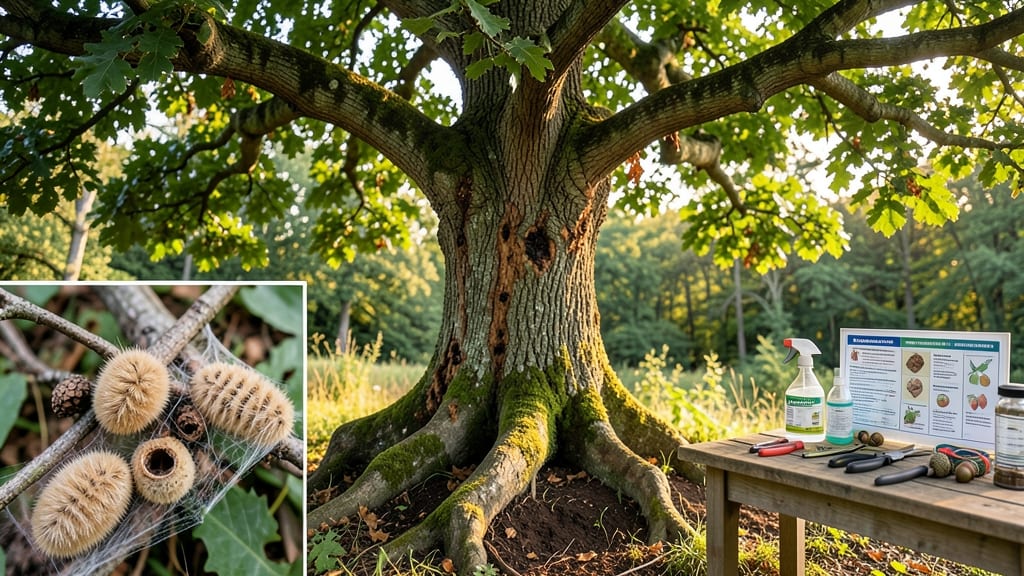
Spotting pests and diseases early can save your trees before they're lost forever. 🌳 I've seen healthy oaks turn brown overnight from borers, and the key difference was catching the signs too late.
This guide covers the most common threats—aphids, canker diseases, and beetles—and how to stop them before they spread.
Most problems start small: wilting leaves, strange holes, or oozing sap. The trick is knowing what to look for—like the sawdust-like frass from beetles or the dark streaks of fungal cankers.
Prevention is easier than treating full-blown infestations, and organic methods like neem oil or beneficial insects work wonders when you act fast.
You'll learn to identify issues early, choose the right treatment (from sprays to pruning), and know when to call in a pro. Healthy trees mean stronger roots, better shade, and fewer headaches. Let's get your trees back to thriving.
Whether you're dealing with a single tree or a whole yard, these strategies work for common pests like aphids or serious threats like Dutch elm disease. The sooner you act, the easier it is to protect what you've planted.
Root Causes Of Tree Struggles
When trees fall victim to pests and diseases, the damage is rarely random—it’s the result of specific biological, environmental, or human-induced triggers. Understanding these root causes helps you spot vulnerabilities before they escalate. Let’s break down the key reasons trees become targets and how these threats take hold.
Extreme or shifting weather conditions weaken trees, making them prime targets for pests and pathogens. Here’s how:
- Drought 💧: Prolonged dry spells force trees to divert energy to survival, reducing their ability to produce defensive compounds like resins or tannins. Weakened trees become easy prey for bark beetles, borers, and fungal infections like Armillaria root rot.
- Flooding or Waterlogging 🌊: Excess moisture suffocates roots, cutting off oxygen and nutrients. This creates the perfect breeding ground for Phytophthora (a water mold) and attracts sap-sucking insects like spider mites.
- Temperature Fluctuations ❄️☀️: Sudden freezes or heatwaves disrupt a tree’s metabolic processes. For example, Emerald ash borer larvae thrive in stressed ash trees during unseasonably warm winters, while fungal spores spread more aggressively in humid, hot conditions.
Pro Tip: 🌡️ Monitor your region’s USDA Plant Hardiness Zone and adjust watering practices during extreme weather. Mulching (2–4 inches deep) helps regulate soil temperature and moisture.
A tree’s natural defenses rely on balanced health. When nutrition or care is lacking, pests and diseases exploit the openings.
- Nutrient Deficiencies 🍃: Trees deficient in nitrogen, potassium, or magnesium struggle to produce chlorophyll and protective compounds. This attracts gypsy moths (who target weakened oaks) and increases susceptibility to Diplodia tip blight in pines.
- Compacted or Poor Soil 🏗️: Roots in dense, clay-heavy, or polluted soil can’t absorb water or nutrients efficiently. This stress invites root rot fungi and pests like Japanese beetles, which feed on stressed foliage.
- Over/Under-Pruning ⏳: Aggressive pruning removes protective bark layers, creating entry points for bacterial canker. Conversely, leaving dead branches (“lagging”) traps moisture and invites fungal growth.
Pro Tip: ✨ Conduct a soil test every 2–3 years and amend soil with compost or organic matter. Prune in late winter/early spring (dormant season) to minimize stress.
Non-native pests and pathogens often outcompete local defenses because trees lack evolutionary resistance. These invaders spread rapidly due to:
- Global Trade 🚢: Insects like the Asian longhorned beetle or sudden oak death (caused by Phytophthora ramorum) hitchhike on imported wood or plants, bypassing natural predators.
- Lack of Natural Predators 🐝: Native predators (e.g., birds, parasitic wasps) may not recognize invasive species as food. For example, hemlock woolly adelgid decimates hemlocks because its primary predator, the larch sawfly, isn’t present in all regions.
- Monoculture Plantings 🌳🌳🌳: Planting large groups of the same tree species (e.g., pine plantations) creates a “buffet” for pests. The pine beetle epidemic in the 2000s was fueled by dense, genetically uniform forests.
Pro Tip: 🎯 Plant diverse, native species to disrupt pest cycles. Report suspicious infestations to local agricultural extension offices—early detection stops outbreaks.
Even well-intentioned human actions can create ideal conditions for tree pests and diseases:
- Improper Wounding 🔪: Using lawnmowers, string trimmers, or even too-tight mulch can girdle trees (damage the vascular layer), inviting bacterial wetwood or heart rot fungi.
- Overwatering or Underwatering 💦: Both extremes disrupt root zones. Overwatering leads to root rot, while underwatering stresses trees enough to attract spider mites.
- Pesticide Overuse 💊: Broad-spectrum pesticides kill beneficial insects (like ladybugs or predatory mites) that control pests. This creates a pesticide treadmill, where secondary pests (e.g., aphids) explode in numbers.
- Urban Pollution 🏙️: Acid rain, salt spray (near roads), and air pollutants weaken tree bark, making it easier for sooty mold (a fungal hitchhiker on honeydew-producing pests) to take hold.
Pro Tip: 💡 Opt for targeted, integrated pest management (IPM)—use horticultural oil for soft-bodied pests or introduce beneficial nematodes for soil-dwelling larvae instead of harsh chemicals.
By recognizing these underlying causes, you can prevent rather than just react to tree health issues. The next step? Learning how to spot early warning signs before damage becomes irreversible.
Quick Fixes for Tree Troubles
When pests and diseases strike, acting fast is key to saving your trees. Below are practical, step-by-step solutions tailored to common problems—plus prevention tips to keep your greenery thriving long-term.
🔥 Aphids: Sucking the Life Out?
Cause: Tiny, sap-sucking insects cluster on leaves, leaving sticky residue (honeydew). Fix:
- Blast them off 💦: Use a strong spray of water from a hose to dislodge aphids.
- Neem oil spray 🌿: Mix 1 tbsp neem oil + 1 tsp mild soap in 1 quart of water.
Spray leaves thoroughly (repeat weekly). - Introduce predators 🐞: Ladybugs and lacewings love aphids—buy them online or attract them with native plants.
Prevent: Encourage beneficial insects by planting marigolds or dill near trees.
🍄 Fungal Infections: Spots or Mushrooms?
Cause: Overwatering, poor air circulation, or wounds create perfect fungal conditions. Fix:
- Prune infected branches ⏰: Cut off all spotted or mushroom-covered limbs (sterilize tools with rubbing alcohol).
- Fungicide spray 🛡️: Use copper fungicide or a baking soda mix (1 tbsp baking soda + 1 quart water + a drop of soap).
- Improve airflow 🌬️: Thin dense foliage and mulch away from the trunk (keep 6+ inches clear).
Prevent: Water at the base (not overhead) and avoid overcrowding trees.
🐜 Borers: Wood-Eating Menace
Cause: Larvae tunnel under bark, weakening structural integrity. Fix:
- Handpick adults 👨🍳: Check for exit holes (D-shaped for bark beetles) and remove sawdust-like frass.
- Beneficial nematodes 🐛: Apply Heterorhabditis bacteriophora (sold at garden centers) to soil—kills larvae naturally.
- Seal wounds 🔧: Apply pruning sealant to fresh cuts to deter entry.
Prevent: Keep trees healthy with balanced fertilizer and avoid stress (drought/sunburn).
🍂 Leaf Spot Diseases: Yellow or Brown Spots?
Cause: Fungal/bacterial infections thrive in wet weather. Fix:
- Remove fallen leaves 🍂: Rake up debris to eliminate spores.
- Copper-based fungicide 🛡️: Spray every 2–3 weeks during rainy seasons.
- Adjust watering 💧: Water early in the day so leaves dry quickly.
Prevent: Space trees properly and avoid overhead irrigation.
| Issue | Solution | Prevention Tip |
|---|---|---|
| Weak growth | Fertilize with slow-release granules | Test soil pH annually |
| Cracked bark | Seal with pruning sealant | Mulch to protect roots |
| Root rot | Improve drainage, reduce water | Plant in well-draining soil |
💡 Pro Tip: Always monitor trees before symptoms appear—healthy trees resist pests better! For severe cases, consult an arborist to avoid irreversible damage. 🌳✨
Frequently asked questions
How do I tell if my tree has pests or diseases?
Look for unusual holes in bark (borers), sticky residue on leaves (aphids), or discolored patches (fungal infections). Check for sawdust-like frass near entry points or mushrooms at the base—these are red flags. Examine both leaves and bark monthly, especially after storms or extreme weather.
Can I treat tree diseases with household items?
Yes! For fungal issues, mix 1 tablespoon baking soda with 1 quart water and a drop of soap for a safe spray. Neem oil (1 tbsp per quart) works against soft-bodied pests like aphids. Always test small areas first—some trees are sensitive to DIY treatments.
When should I call an arborist instead of treating myself?
If you see large exit holes (bigger than a dime), oozing cankers, or sudden leaf drop, it's time to call a pro. Also consult an arborist if the tree is over 30 feet tall or near structures—some treatments require specialized equipment and safety precautions.
How often should I inspect my trees for problems?
Check trees every 4-6 weeks during growing seasons (spring-fall). Focus on new growth, bark, and soil conditions. After extreme weather (droughts, floods), do a quick inspection—stress makes trees more vulnerable. Keep records of changes to spot patterns early.
Are some trees more prone to pests than others?
Yes! Elms often battle Dutch elm disease, ash trees face emerald ash borers, and pines suffer from tip blight. Native trees usually have better natural defenses. When planting, choose varieties known for resistance in your climate—local nurseries can recommend suitable options.