
Pruning
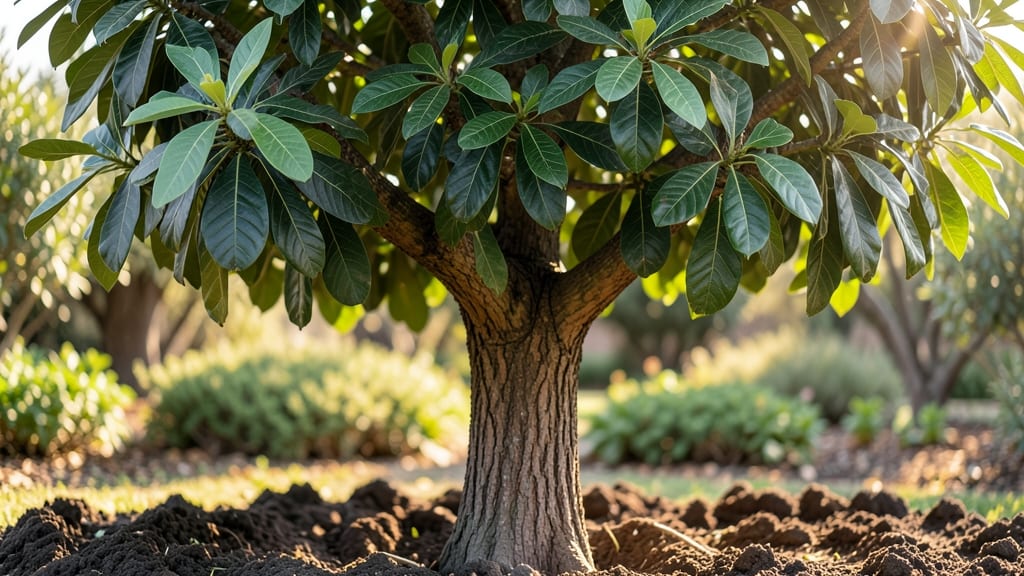
An avocado tree needs full sun exposure—at least 6 hours of direct sunlight daily—to thrive and produce fruit, especially in USDA Zone 6a where winters can challenge even the hardiest varieties.
Struggling to grow a thriving avocado tree? Sunlight is the #1 factor determining whether your plant will bear fruit or wither—here’s the exact formula for success.
Too little light, and your 🥑 will grow leggy and weak, while too much can scorch the leaves. The key is balancing intensity with shade breaks, especially in hot climates where afternoon sun can become brutal.
In this guide, I’ll break down the ideal sunlight hours by growth stage, how to spot signs of sun stress, and practical tips for positioning your tree—whether you’re growing it indoors near a south-facing window or outdoors in your garden.


How many hours of sunlight does an avocado tree need daily?
If you're dreaming of a lush avocado tree bearing creamy, buttery fruit, sunlight is your secret weapon. Avocados are tropical powerhouses that thrive under bright, direct light—but not all stages need the same intensity. Too little sun stunts growth, while too much can scorch leaves.
Let’s break down the exact sunlight formula for each growth phase and climate zone to keep your tree healthy and productive.
Avocado trees are native to regions with consistent warmth and full sun exposure, like Mexico and Central America. In these tropical zones, they naturally receive 8-12 hours of sunlight daily.
However, in temperate climates, like California or Florida, you’ll need to adjust based on seasonal shifts. Understanding these nuances ensures your tree doesn’t just survive—it thrives and produces fruit.
Photosynthesis efficiency is key here. Avocado leaves contain chlorophyll that converts sunlight into energy, but they also need balanced light exposure to avoid stress. Studies show that 6-8 hours of direct sunlight maximizes photosynthesis while preventing leaf burn. For mature trees, partial afternoon shade can help in extreme heat, but seedlings and young trees need unfiltered light to establish strong roots.
For seedlings, start with 4-6 hours of morning sun and gradually increase to 6-8 hours daily over 2-3 weeks. This hardening process prevents sunburn and helps leaves develop protective wax coatings.
In temperate climates, like USDA Zone 9 or 10, seedlings can often handle full sun year-round, but in cooler zones (like Zone 8), you’ll need to bring them indoors during winter months.
Juvenile avocado trees (ages 2-5) are the most sun-hungry phase. They need 8-10 hours of direct sunlight to support rapid growth and flower bud formation. Place them in the sunniest spot in your garden, ideally near a south-facing wall or fence.
If growing in containers, rotate the pot quarter-turns weekly to ensure even light exposure on all sides. This prevents lopsided growth and weak stems.
Mature avocado trees are more flexible with sunlight, but they still need at least 6 hours daily. In tropical climates, like Hawaii or Puerto Rico, they can handle 12+ hours of sun with ease.
However, in hotter regions, like Arizona or Southern California, providing afternoon shade (3-5 PM) can prevent leaf scorch. Think of it like giving your tree a cooling break during peak heat.
If you’re growing avocados in containers, sunlight needs are slightly different. Containers heat up faster, so 6-8 hours of morning sun plus 2-4 hours of afternoon shade works best.
Use light-colored pots to reflect excess heat and place them on elevated stands to improve airflow. In winter, supplement with grow lights (12-14 hours daily) to maintain photosynthesis efficiency.
One common mistake is assuming more sun is always better. While avocados love light, excessive heat without shade can lead to leaf curl, browning, or even tree death. Pay attention to your tree’s leaf color and texture.
Healthy leaves should be deep green and slightly leathery. If they’re yellowing or crispy, it’s a sign of too much sun or drought stress.
To optimize sunlight for your avocado tree, consider these pro tips: - Use reflective mulch (like white gravel) to bounce extra light onto the tree. - Prune nearby trees or structures to eliminate shade competition. - In urban areas, place your tree near a south-facing window or balcony for maximum exposure. - Monitor sunlight hours with a sunlight tracker app to adjust placement as seasons change.
Remember
Signs your avocado tree is getting too much or too little sunlight
Avocado trees thrive in bright, direct sunlight, but even they can suffer when the balance tips. Too much sun causes leaf scorch and crispy edges, while too little leads to weak, leggy growth and pale leaves.
I’ve seen both extremes in my own garden—let me show you how to spot the warning signs before they become serious problems.
Start by examining your tree’s leaves and stems. Healthy avocado foliage should be a deep, glossy green. If you notice yellowing between veins or brown, crispy patches, your tree is likely getting too much harsh sunlight.
On the flip side, if new growth looks thin and stretched with a pale, almost white hue, it’s begging for more light.
Here’s the quick breakdown of what each scenario looks like—and how to fix it:
- Brown, crispy leaf edges
- Yellowing leaves (chlorosis)
- Leaf dropping prematurely
- Sunburnt spots on foliage
- Pale, yellow leaves
- Leggy, weak stems
- Slow or stunted growth
- Fewer new leaves forming
- Move to partial shade (50% sun)
- Use light shade cloth (30-50%)
- Water deeply in heat (early morning)
- Prune damaged leaves to reduce stress
- Relocate to full sun spot (6+ hours)
- Use a reflective surface (mirror or white wall)
- Rotate container weekly for even light
- Fertilize with low-nitrogen for balanced growth
For too much sunlight, I recommend placing your avocado tree under a dappled shade during peak afternoon hours (12 PM–4 PM). A simple 50% shade cloth can work wonders—just ensure it doesn’t block all light completely.
If your tree is in a container, move it to a spot where it gets morning sun and afternoon shade.
When dealing with insufficient sunlight, think creatively. If you’re indoors, a south-facing window with a reflective surface (like a white wall or aluminum foil) can double the light exposure.
Outdoors, avoid placing your tree under dense canopy trees or buildings that cast long shadows. Even a 5-foot shift toward an open area can make a dramatic difference in growth.
Remember, avocado trees are tropical plants—they crave warmth and light, but they’re not built for extreme conditions. By tuning into these visual cues, you’ll keep your tree healthy, lush, and productive for years to come. 🌿