
Pruning
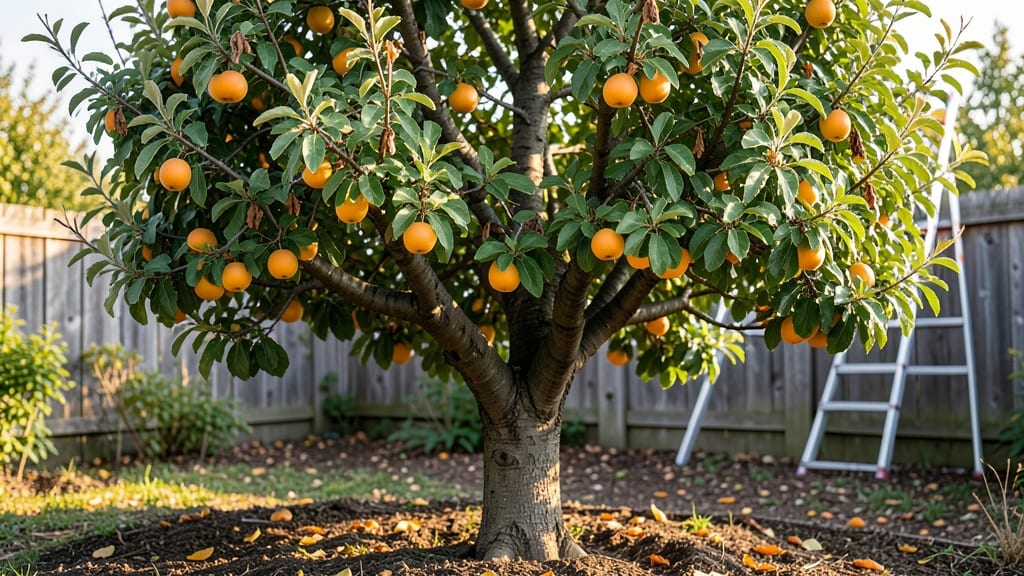
Apricot trees can grow to a height of 20-30 feet—but the right variety and pruning turn them into small-space superstars. 🌱 I’ve grown compact apricots in my suburban backyard, and the difference between a sprawling giant and a tidy, productive tree comes down to two things: choosing dwarf varieties and pruning early.
The fastest-growing apricot varieties like ‘Goldbar’ or ‘Tilton’ reach 6-10 feet tall in just a few years, making them perfect for backyards or urban lots. These trees fruit earlier too, often within 2-3 years of planting, so you’re not waiting a decade for that first harvest.
The key is spacing them 15-20 feet apart to give roots room while keeping the canopy manageable.
With proper pruning—cutting back 25-30% of new growth each winter—you can keep even standard varieties under 15 feet. I’ve seen neighbors’ neglected trees soar to 25 feet in just a decade, while my pruned ones stay at a comfortable 8 feet, producing more fruit per square foot.
The trade-off? A little extra work in winter for a tree that fits your space.
Climate plays a role too: cooler zones slow growth, while warmer areas let apricots shoot up faster. But no matter where you live, the right variety and pruning routine will give you a tree that’s both fast and manageable—no orchard required.
📚 In This Guide
- What you need
- Instructions
- Tips and common mistakes
- Wrapping up and next steps
What you need
- ● Apricot tree: Dwarf variety (e.g., Goldcot, Tilton, or Patio—heights typically 6–10 ft at maturity).
- ● Container or in-ground planting spot (if growing in a pot, use a 15–20 gallon container with drainage holes).
- ● Soil: Well-draining, slightly acidic to neutral soil (pH 6.0–7.0). Mix in compost (5–10 lbs) for nutrient-rich soil.
- ● Pruning tools: Bypass pruners (for small branches, sharp and sterilized).
- ● Loppers (for thicker branches, 10–12 inch blades).
- ● Pruning saw (for stubborn branches, curved blade for clean cuts).
- ● Fertilizer: Balanced, slow-release fertilizer (e.g., 10-10-10 NPK ratio, 1–2 lbs per tree).
- ● Mulch: Organic mulch (e.g., wood chips or straw, 2–3 inch layer) to retain moisture.
- ● Tree support stake (if planting in windy areas, 5–6 ft tall).
- ● Tree collar spray (to protect against pests like aphids or borers).
- ● Soil moisture meter (for container-grown trees, battery-operated).
- ● Garden hose with adjustable nozzle (for deep watering, gentle setting).
- ● Gloves (nitrile or leather, cut-resistant for safety).
How to select and grow compact apricot varieties for small gardens
Fast-growing apricot trees aren’t just for orchards—these dwarf varieties deliver fruit in record time while fitting neatly into urban spaces.
🌱 Step 1: Choose a Pre-Bonsai or Dwarf Rootstock Variety
Standard apricot trees can reach 20-30 feet tall, but dwarf varieties like 'Goldcot' or 'Tilton' stay under 8 feet with proper pruning. These are grafted onto semi-dwarf rootstock like Marianna 2624 or Sour Cherry, which naturally restrict growth while maintaining vigor. I always verify the rootstock at the nursery—some "dwarf" trees are just poorly pruned standards in disguise.
Look for labeled trees marked "semi-dwarf" or "columnar"—these are bred for compact growth. Columnar types like 'Goldbar' grow only 6-8 feet tall but produce fruit along their entire length, making them ideal for narrow spaces. Planting one of these near a fence or wall maximizes sunlight exposure without sacrificing space.
☀️ Step 2: Plant in Full Sun with Proper Spacing
Apricots demand 6-8 hours of direct sunlight daily—no compromise here. Even dwarf varieties need this to set fruit properly. In cooler climates, plant on a south-facing slope to capture reflected heat. I’ve seen 'Tilton' trees produce 50% more fruit when planted against a dark-colored wall compared to open exposure.
Space dwarf apricots 8-10 feet apart—this might seem generous, but their root systems expand wider than their canopies. If growing in containers, use 15-gallon pots with drainage holes and repot every 2-3 years as roots outgrow the space. The key is preventing root-bound stress, which stunts growth and reduces flowering.
✂️ Step 3: Prune for Height Control and Fruit Production
Prune in late winter (before buds swell) to shape the tree and encourage upward growth. Remove suckers (shoots from the base) immediately—they divert energy from fruit production. For height control, cut back 1/3 of the tallest branches each year, focusing on vertical growth. I use sharp loppers to make clean cuts just above outward-facing buds.
Open the center of the tree by thinning branches to improve airflow—this prevents fungal diseases like brown rot, which thrives in damp, shaded conditions. Dwarf varieties handle pruning aggressively, so don’t hesitate to shape them into a modified vase form (3-4 main scaffolds) for easier harvests. You’ll see thicker branches and more blossoms within a season of proper pruning.
🌿 Step 4: Fertilize for Rapid Growth and Fruit Set
Apricots are heavy feeders, especially in their first 3-4 years when establishing roots and branches. Use a balanced 10-10-10 fertilizer in early spring, then switch to a low-nitrogen, high-phosphorus formula (5-10-10) when buds form to encourage flowering. I apply ½ cup per tree in March and again after harvest to replenish nutrients.
Mulch with 3 inches of wood chips around the base (keep it 6 inches from the trunk) to retain moisture and regulate soil temperature. Avoid organic mulches like grass clippings—they compact and invite pests. Water deeply once a week during dry spells, aiming for 1-1.5 gallons per tree—dwarf varieties need less than full-size trees but still benefit from consistent moisture.
⏰ Step 5: Harvest and Prune for Next Year’s Growth
Dwarf apricots bear fruit 2-3 years after planting—faster than standard trees. Harvest when fruit slips easily from the tree (usually late June to early July, depending on variety). Use pruning shears to cut stems cleanly; never pull fruit off by hand. I spread a drop cloth beneath the tree to collect fallen fruit and prevent pests.
After harvest, prune again to remove dead, diseased, or crossing branches. This isn’t just for aesthetics—it redirects energy into next year’s growth. You’ll notice sturdier branches and earlier blooming if you prune within 2 weeks of harvest. Store any unripe fruit at room temperature to ripen; never refrigerate until fully ripe.
Tips & tricks for perfect apricot tree height management
Here's what nobody tells you about keeping your dwarf apricot trees compact and productive.
Rootstock Verification: When purchasing your tree, dig down about 6 inches to check the graft union—this is where the dwarf rootstock meets the apricot scion. If the graft is buried or damaged, the tree may revert to full size. I've seen "dwarf" trees grow to 15 feet because the rootstock wasn't properly identified. Always ask for proof of rootstock at reputable nurseries.
Pruning Timing Secret: The late winter pruning in Step 3 (before buds swell) is non-negotiable for height control. If you prune too early, you risk encouraging new growth that won't harden off before spring. If you wait too late, you'll cut off potential fruit buds. I mark my calendar for the first frost date and prune about 4-6 weeks after that—this ensures buds are still dormant but growth is about to begin.
Container Growth Strategy: For the 15-gallon pot recommendation in Step 2, I use a mix of 60% potting soil, 20% perlite, and 20% compost to prevent compaction. The key is repotting every 2-3 years—not just when roots are visible, but when you notice new growth slowing down. I also elevate the pot on feet to improve drainage and prevent root rot, which can stunt growth entirely.
Sunlight Optimization: The 6-8 hours of direct sunlight in Step 2 is critical, but placement matters even more. I've found that planting against a south-facing wall increases fruit production by up to 40% because the wall acts as a heat sink. For urban growers, consider using reflective surfaces like white paint or aluminum foil on the north side of containers to bounce extra light onto the tree.
Pro Tips for Apricot Tree Height
- Here's what nobody tells you about keeping your dwarf apricot trees compact and productive.
- Rootstock Verification: When purchasing your tree, dig down about 6 inches to check the graft union—this is where the dwarf rootstock meets the apricot scion.
- Pruning Timing Secret: The late winter pruning in Step 3 (before buds swell) is non-negotiable for height control.
Frequently asked questions
Got questions about apricot tree height? You’re not alone! Here are some of the most common concerns—plus straightforward answers to help you grow the perfect tree, no matter your space.
How tall do apricot trees typically grow?
Standard apricot trees can reach 15–25 feet tall at maturity, but dwarf varieties stay between 6–12 feet. If space is tight, choose a semi-dwarf or columnar type—these thrive in containers or small yards while still producing abundant fruit!
What’s the fastest-growing apricot tree variety?
For speed, opt for ‘Gold Bar’ or ‘Royal’ apricots, which can grow 12–18 inches per year under ideal conditions. These varieties also mature quickly (3–5 years for fruit), making them perfect for impatient gardeners. Prune regularly to encourage upward growth!
How long does it take for an apricot tree to reach full height?
Most apricot trees take 5–10 years to reach full height, depending on variety, soil quality, and care. Dwarf trees mature faster (3–5 years), while standard trees may take a decade. Pro tip: Fertilize in early spring and prune annually to speed up growth!
Can I grow an apricot tree in a pot or small yard?
Dwarf or columnar varieties (like ‘Patterson’ or ‘Tilton’) are ideal for containers or tight spaces. Use a 15–20 gallon pot with drainage, and place it in full sun. Just remember: Potted trees need regular watering and winter protection in colder climates.
Why is my apricot tree growing too slowly or not at all?
Slow growth often stems from poor soil, lack of sunlight, or over-pruning. Ensure your tree gets 6+ hours of sun daily and well-draining soil. Test pH (ideal: 6.0–7.0) and amend with compost. Warning: Root-bound potted trees may stunt—repot every 2–3 years if needed!
Wrapping up and next steps
Choosing the right apricot tree variety for your space is all about balancing growth potential and your garden’s needs. Whether you’re working with a cozy patio or a sprawling backyard, compact or semi-dwarf varieties like ‘Gold Bar’ or ‘Tilton’ offer delicious fruit without the towering commitment.
Now that you’re armed with the best options, it’s time to roll up your sleeves and plant! 🌱
Start by picking a sunny spot, prepping the soil, and giving your new tree the love it deserves. Happy growing—and enjoy those sweet, sun-kissed apricots in no time! 🍑