
Pruning
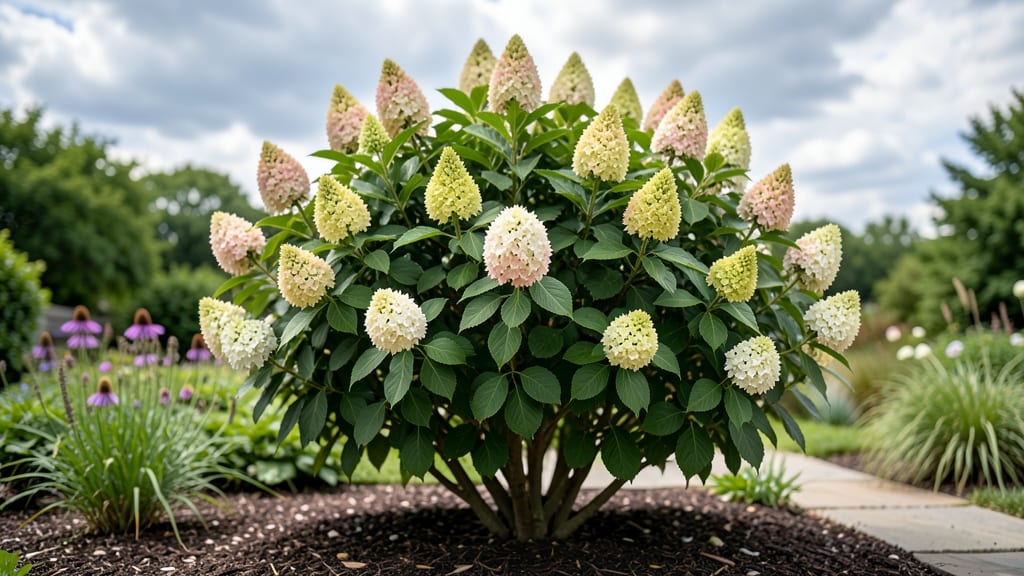
A Limelight Hydrangea tree’s full size can reach between 4 and 6 feet tall, making it a stunning focal point in any garden—but only if you prune it right.
Picture this: your 🌸 Limelight Hydrangea bursting with golden blooms year-round, its branches perfectly shaped to showcase its vibrant color. Without the right pruning, though, that dream can turn into a tangled mess of leggy growth and sparse flowers.
This guide breaks down exactly how to manage a full-size Limelight Hydrangea—when to trim, how to shape it, and what mistakes to avoid. Whether you're a beginner or a seasoned gardener, these tips will help you keep your tree thriving and blooming at its best.
From seasonal pruning schedules to troubleshooting common issues, you'll learn everything you need to maintain your Limelight Hydrangea's signature beauty while controlling its size and shape.


When and how to prune a full-size Limelight Hydrangea tree for optimal blooms
A full-size Limelight Hydrangea Tree can reach 6 feet tall with a 4-5 foot spread, but its golden blooms thrive only when pruned correctly. Unlike smaller varieties, this tree needs strategic shaping to maintain its natural form while encouraging dense flower clusters.
Pruning at the wrong time or too aggressively can reduce blooms or damage the tree’s structure.
Timing is everything with Limelight Hydrangeas. These trees bloom on new wood, meaning late winter or early spring pruning (just before buds swell) is ideal. Avoid cutting back in fall or winter, as this removes next year’s blooms.
For mature trees, light shaping pruning in late spring after blooming can also help maintain their rounded silhouette.
For large Limelight Hydrangea Trees, safety is key. Always wear gloves and eye protection when pruning, as branches can be heavy. If your tree exceeds 8 feet tall, consider hiring a professional to avoid fall hazards or property damage.
A stable ladder and a helper can also make the job safer.
After pruning, monitor your tree closely for signs of stress, like yellowing leaves or drooping branches. If you’ve pruned too aggressively, reduce watering slightly and focus on root care with a balanced fertilizer applied in early spring.
The goal is to encourage new growth while preserving the tree’s structural integrity.
One common mistake is pruning for size over shape. Instead of shearing the tree uniformly, which can create a bushy but sparse look, aim for a natural, layered silhouette.
This not only enhances blooms but also mimics the tree’s natural growth habit. Think of it as sculpting rather than trimming.
For year-round interest, consider leaving some last year’s seed heads on the tree during winter. These add textural contrast and winter charm, while also attracting birds. Once new growth appears in early spring, you can remove them as part of your regular pruning routine.
If your Limelight Hydrangea Tree hasn’t bloomed well this year, it might be over-pruned or under-fertilized.
In this case, reduce pruning next season and apply a slow-release fertilizer in early spring. Aluminum sulfate can also help enhance the golden hue of the blooms, especially if your soil is alkaline.
Remember, patience is key with large hydrangeas. It may take 2-3 years to see the full effect of your pruning efforts, but the result—a lush, blooming tree with vibrant golden clusters—will be worth the wait.
With the right techniques, your Limelight Hydrangea Tree will become the showstopper of your landscape.
Common pruning mistakes that stunt Limelight Hydrangea growth (and how to fix them)
Your Limelight Hydrangea tree can reach its stunning full size of 4-6 feet with the right care—but pruning mistakes often sabotage its growth. Even experienced gardeners accidentally cut at the wrong time or over-prune, leaving your shrub stressed and sparse.
The good news? Most issues are reversible with proper techniques. Let’s identify the top 5 pruning blunders and how to correct them before your next trimming session.
First, understand that Limelight Hydrangeas bloom on old wood, meaning last year’s growth produces this year’s flowers. This changes everything about when and how you prune. Cutting back too aggressively or at the wrong season can eliminate next year’s blooms entirely.
For example, I once saw a 6-foot Limelight Hydrangea reduced to a sad, bare skeleton after a winter pruning session—all because the gardener didn’t know its blooming habits.
⚠️ callout warning ⚠️
- ✂️ Wrong Season: Pruning in fall or winter removes next year’s flower buds. Always wait until late winter or early spring.
- 🌱 Over-Shearing: Cutting back more than 1/3 of the plant stresses it. Stick to light shaping and deadwood removal.
- 🪴 Ignoring Dead Wood: Leaving diseased or dead branches invites pests and weakens growth. Remove them anytime.
- 🌿 Topping the Tree: Cutting flat across the top creates ugly, weak growth. Always shape naturally.
- 💧 Pruning After Blooming: Trimming after flowers fade removes potential next-year blooms. Prune right after flowering instead.
💡 Pro Tip: Use clean, sharp pruners and disinfect with rubbing alcohol to prevent spreading disease.
Let’s tackle the first mistake: pruning at the wrong time. Many gardeners assume late winter is the only safe window, but for Limelight Hydrangeas, timing is everything. If you prune in fall or winter, you’re essentially cutting off next year’s flowers.
Instead, wait until late February to early March in your zone, when the plant is still dormant but before new buds form. This gives your tree time to regenerate blooms for the upcoming season.
Another common error is over-pruning, where gardeners get overzealous and shear back more than 1/3 of the plant. This shocks the shrub and can stunt growth for years. For a full-size Limelight Hydrangea, focus on removing only dead, crossing, or overly crowded branches.
Aim to open up the center for better airflow and light penetration. Think of it like giving your tree a light haircut—just enough to shape, not a buzz cut.
Ignoring dead or diseased wood is another silent growth killer. Dead branches not only look unsightly but also drain nutrients from healthy growth. Use your pruners to cut back to the nearest healthy bud or branch collar.
For example, if you spot a brown, brittle branch, trace it back to where it meets the main stem and make your cut there. This encourages new, vigorous growth from the right spots.
Finally, topping your Limelight Hydrangea—cutting flat across the top—is a big no-no. This practice creates weak, leggy growth and ruins the tree’s natural shape. Instead, use selective pruning to shape the tree naturally.
Focus on removing only the tips of branches that are growing outward or upward to encourage a fuller, bushier form. A well-pruned Limelight Hydrangea should look like a lush, rounded cloud of golden blooms, not a stubby pyramid.
To see the difference, imagine a before-and-after comparison: A neglected Limelight Hydrangea might look like a lanky, sparse mess with bare spots and tangled branches. After proper pruning, it transforms into a dense, vibrant shrub bursting with golden blooms from spring to fall.
The key is patience and precision—never rush the process, and always step back to assess your cuts from a distance.