
Blooming
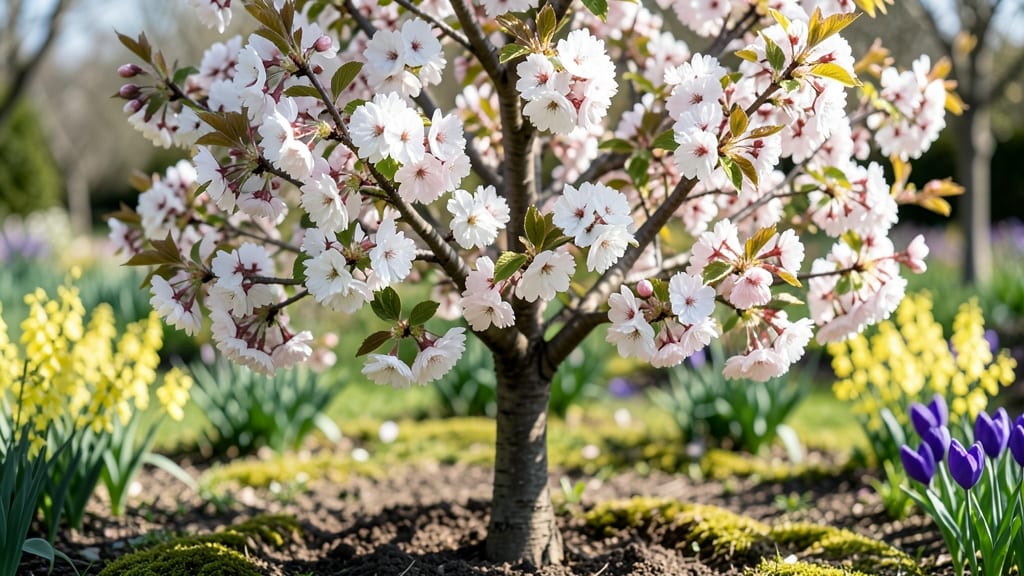
Those delicate pink clouds of sour cherry blossoms mean fruit in 6-8 weeks. 🌸 I learned the hard way that pruning isn't just about shaping—it's the secret to turning a tree into a fruit-producing machine.
My first sour cherry tree produced just 12 cherries because I ignored the winter pruning that opens the canopy to sunlight and air. The key is timing: prune in late winter before buds swell, then do light maintenance after harvest.
You're not just cutting branches—you're teaching the tree to focus its energy on blossoms, not suckers. A well-pruned tree can produce 50% more fruit than one left to grow wild. You'll see the difference in spring when blossoms cover every branch instead of just the tips.
The tree becomes a fragrant, productive centerpiece that attracts pollinators and makes your neighbors jealous. Works for both dwarf and standard varieties, and the same principles apply whether you're growing in containers or full ground. Here's how to get started right.
📚 In This Guide
- What you need
- Instructions
- Tips and common mistakes
- Wrapping up and next steps
What you need
- ● Sour cherry tree: Choose a self-pollinating variety (e.g., Montmorency) or pair with a compatible pollinator (e.g., Stella or Meteor). Age: 1–3 years old (bare-root or potted).
- ● Pruning tools: 1 sharp bypass pruners (for cuts < ½ inch thick)
- ● 1 pruning saw (for thicker branches)
- ● 1 clean, disinfected tool (rubbing alcohol or bleach solution)
- ● Gloves: Heavy-duty work gloves (to protect from thorns and sap).
- ○ Pruning sealant: Optional but helpful (e.g., Tanglefoot Tree Wound Pruning Seal for large cuts).
- ● Location: Full sun (6+ hours/day) and well-draining soil (pH 6.0–7.0).
- ● Spacing: Plant trees 20–25 feet apart (or 15 feet for dwarf varieties).
- ● Watering: Deep watering 1–2 times per week (more in drought).
- ● Fertilizer: Balanced 10-10-10 or organic compost (spring and early summer).
- ● Mulch: 2–3 inches of organic mulch (wood chips or straw) to retain moisture.
- ● Tree tie or stakes (for young/saplings).
- ● Spray bottle (for cleaning tools between cuts).
- ● Bird netting (to protect blossoms/fruit from pests).
- ● Soil tester kit (to monitor pH/nutrients).
Instructions: pruning your sour cherry tree for maximum blossoms
Here's how I prune year-round to guarantee those stunning blossoms every spring.
✂️ Step 1: Winter Pruning for Structure and Airflow
Start in late winter or early spring, just before buds swell. This is when your tree is dormant but you can still see its natural shape. Remove any dead, diseased, or crossing branches first—these compete with healthy growth and reduce blossom potential. I always cut back to a healthy bud or lateral branch, never leaving stubs.
Open up the center of the tree by removing about 20% of the oldest wood—this improves airflow and sunlight penetration, both critical for next year's blossoms. Look for branches growing inward or rubbing against others; these will break under fruit weight later. Make clean cuts at a 45-degree angle just outside the branch collar to prevent water from pooling.
☀️ Step 2: Summer Pruning for Fruit Production
Mid-summer is when you fine-tune your tree's growth. Focus on removing suckers—those vigorous shoots growing from the base or trunk. These drain energy from blossom production. Thin out some of the fruit clusters too; leaving 6-8 inches between clusters ensures larger, healthier blossoms next season.
Watch for water sprouts—thin, fast-growing shoots that appear after pruning. These steal nutrients from blossom development. Snip them off at the base immediately. This is also the time to remove any branches growing straight up; they rarely produce fruit and create weak crotches. Prune on a dry day when the tree is well-watered to reduce stress.
🌱 Step 3: Fall Cleanup for Disease Prevention
After the leaves drop but before hard frost, do a final cleanup. Remove all fallen leaves and fruit—these can harbor fungal spores that cause brown rot, a common cherry tree disease. Rake thoroughly and dispose of debris in the trash, not the compost pile. I also sterilize my pruners with rubbing alcohol between cuts to prevent spreading any latent infections.
Look for any branches that produced poor fruit this year. These may need more aggressive pruning next winter. Lightly prune any remaining dead wood, but avoid heavy cuts that could stimulate late-season growth vulnerable to frost damage. This is your last chance to shape the tree before winter dormancy begins.
⏰ Step 4: Spring Maintenance for Blossom Health
As soon as you see pink buds forming in early spring, do a final light pruning. Remove any branches that grew excessively during the previous season's summer pruning. These are often leggy and produce fewer blossoms. Focus on maintaining an open vase shape—this allows sunlight to reach blossoms deep in the tree.
Here's the thing—don't overdo it. You want to see at least 50% of last year's branches still bearing buds. If you cut too much, you'll sacrifice next year's fruit. I always step back and visualize how sunlight will hit the tree in 6 months. That's when you'll see those blossoms lighting up the branches.
Tips & tricks for perfect sour cherry tree blossoms
Here's what nobody tells you about keeping your sour cherry tree blooming like crazy—these are the secrets I've learned after years of trial and error.
The Timing Secret: Late winter pruning (just before buds swell) is your golden window. If you wait too long, you risk damaging new growth. I mark my calendar for early February—this gives me about 4-6 weeks before spring budding begins. Watch for those tiny pink buds forming; that's your cue for spring maintenance. Timing is everything when it comes to blossom production.
Branch Angle Matters: Those 45-degree cuts in Step 1 aren't just for looks—they prevent water from pooling at the cut site, which can lead to rot. I use my pruners to make clean cuts just outside the branch collar, then immediately seal the wound with a thin layer of pruning sealant. This small step prevents disease from entering through fresh cuts, especially important for trees that produce fruit (and thus attract pests).
Visual Cue for Pruning:** In Step 2, when thinning fruit clusters, imagine a golf ball-sized space between clusters. That's your 6-8 inch guideline in visual terms. I actually hold up my hands to check spacing—about the width of my outstretched fingers. This spacing ensures each blossom gets maximum sunlight and air circulation, both critical for healthy fruit development later.
Disease Prevention: The fall cleanup isn't just about aesthetics—it's your last line of defense against brown rot. I take this seriously: I bag all fallen leaves and fruit in heavy-duty trash bags (not compost) and sterilize my pruners between every 3-4 cuts. This might seem obsessive, but I've seen healthy trees ruined by fungal spores overwintering in leaf litter. A few minutes of extra care now means fewer problems next spring.
Pro Tips for Sour Cherry Tree Blossom
- Here's what nobody tells you about keeping your sour cherry tree blooming like crazy—these are the secrets I've learned after years of trial and error.
- The Timing Secret: Late winter pruning (just before buds swell) is your golden window.
- Branch Angle Matters: Those 45-degree cuts in Step 1 aren't just for looks—they prevent water from pooling at the cut site, which can lead to rot.
Frequently asked questions
Got questions about nurturing your sour cherry tree blossom? You’re not alone! Here are some of the most common queries—plus quick, actionable answers to keep your tree thriving and blooming beautifully.
When is the best time to prune my sour cherry tree for optimal blossoms?
Prune your sour cherry tree during late winter or early spring (before buds break) for the best results. Avoid pruning in fall, as this can stimulate new growth that’s vulnerable to frost damage. Light summer pruning (after harvest) can also help maintain shape—just remove dead or crossing branches.
Why aren’t my sour cherry tree blossoms turning into fruit?
Several factors could be at play: pollination issues (sour cherries often need cross-pollination—plant two trees if you only have one!), late frost damage (blossoms are frost-sensitive), or nutrient deficiencies. Test your soil and fertilize with a balanced formula (10-10-10) in early spring. Pro tip: Thin fruit clusters early to improve size and quality!
How do I protect sour cherry blossoms from late spring frosts?
Use frost cloths or row covers to shield blossoms when temperatures dip below 28°F (-2°C). Water trees deeply the night before a frost to help insulate roots. For severe risks, consider overhead sprinklers (they create a protective ice layer). Monitor your local frost-free date and adjust pruning timing accordingly.
Can I grow a sour cherry tree in a container? What’s the best setup?
Yes! Choose a large container (at least 20 gallons) with drainage holes and use a well-draining potting mix. Dwarf varieties like ‘Montmorency’ work best. Place the container in full sun and water deeply when the top 2 inches of soil dry out. Warning: Containers heat up faster—mulch the soil to retain moisture and roots.
What’s the difference between pruning for blossoms vs. pruning for fruit production?
Both goals overlap, but focus on these key steps: Open the canopy to improve airflow (reduces disease), remove suckers (they drain energy), and thin out dense branches to let sunlight reach blossoms. For fruit, prioritize balanced cuts—avoid over-pruning, which can reduce next year’s yield. Golden rule: Never remove more than 25% of the tree’s foliage in one season!
Bonus: Can I eat the blossoms? Are they edible?
Yes! Sour cherry blossoms are edible and delicious—they add a tart, floral flavor to salads, desserts, or infused syrups. Harvest them in the morning when fully open and rinse gently. Caution: Avoid blossoms treated with pesticides. Forage responsibly if your tree isn’t organic!
Wrapping up and next steps
The sour cherry tree blossom isn’t just a fleeting spring spectacle—it’s the promise of a bountiful harvest.
With the right pruning techniques and year-round care, you can transform your tree into a fruit-bearing powerhouse. 🌸 Now’s the perfect time to roll up your sleeves, grab your pruners, and give your tree the attention it deserves!
Next steps:
- 📅 Mark your calendar for seasonal pruning sessions.
- 🌱 Monitor your tree’s health and adjust care as needed.
- 🍒 Share your progress with fellow gardening enthusiasts!