
Featured
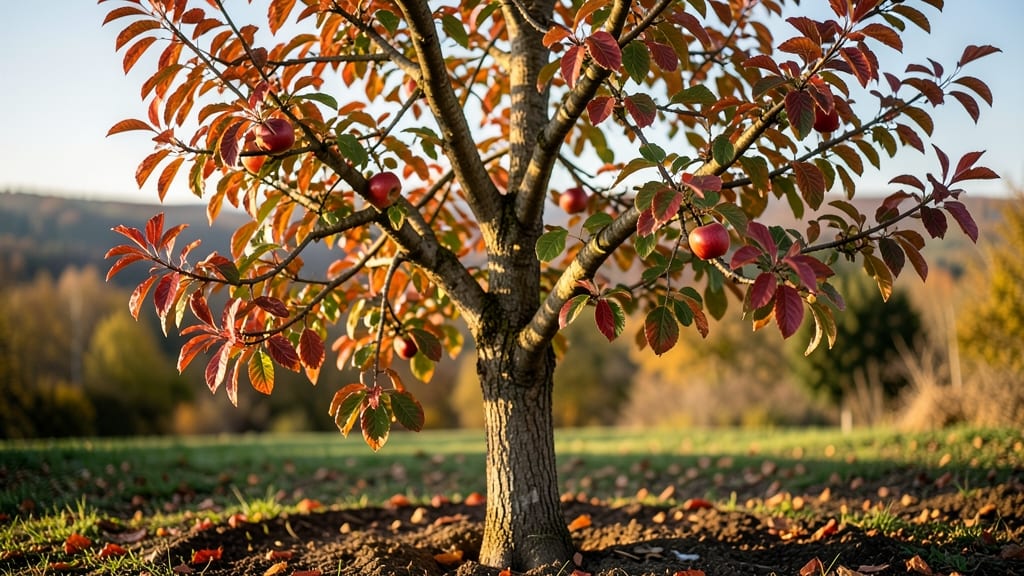
Your apple tree’s fiery red leaves turning red might be autumn’s natural show—or a cry for help. 🍂 The vibrant hues can signal healthy seasonal change, but they can also reveal hidden stress, disease, or pests lurking beneath the surface.
Before you panic, let’s uncover what your tree is really trying to tell you.
Timing and leaf patterns hold the clues. If the red appears in late summer or early fall and spreads evenly, it’s likely just your tree’s way of preparing for winter—like nature’s built-in sunscreen.
But if the discoloration starts in patches, with yellowing or spots, or if leaves curl or drop prematurely, something’s off. Check the undersides for tiny black specks (anthracnose) or webbing (mites), and note whether the red fades in cool mornings—this helps narrow down the cause.
Here’s the good news: most red-leaf mysteries have simple fixes. Prune out affected branches in dormant season, adjust watering to keep soil consistently moist but not soggy, and apply a copper fungicide if you spot disease.
For nutrient deficiencies, a balanced fertilizer in early spring can work wonders. Think of it as giving your tree a tune-up before next year’s foliage show.
Even if the red isn’t all bad, a little proactive care now means next year’s leaves will be bold, healthy, and full of life—not a warning sign. Let’s turn those autumn hues into a sign of a thriving tree, not trouble.
Nature’s Color Palette Explained
When your apple tree’s leaves transform into fiery reds, it’s not just a seasonal spectacle—it’s a fascinating biological process. Understanding the science behind this change helps you appreciate the why and even influence it for a more vibrant display. Here’s what’s really going on under the bark:
Most of the year, apple tree leaves are green because of chlorophyll, the pigment that captures sunlight for photosynthesis. But as autumn arrives, chlorophyll breaks down, revealing other pigments that were hiding in the shadows.
The star of the show? Anthocyanins—water-soluble pigments that give leaves their bold red, purple, or orange hues.
- How it works: Anthocyanins form in response to bright sunlight, cool temperatures, and high sugar levels in the leaves. They act like sunscreen, protecting the leaves from excess light damage as photosynthesis slows down.
- Actionable tip: If your tree’s red isn’t as intense as you’d like, ensure it gets plenty of sunlight in late summer/early fall. Partial shade can dull the color.
- Fun fact: Some apple varieties (like ‘Red Delicious’ or ‘Harvest Gold’) are bred to produce more anthocyanins, making their fall foliage especially striking.
As temperatures drop and days shorten, apple trees stop producing chlorophyll as efficiently. But they don’t stop making food! The sugars trapped in the leaves—once used for growth—now have nowhere to go. These excess sugars stimulate anthocyanin production, turning leaves into nature’s candy.
- What to watch for: Trees under stress (drought, poor soil) may break down sugars faster, leading to earlier color changes—or even premature leaf drop. Aim for consistent moisture in late summer to keep leaves plump and vibrant.
- Pro tip: A light application of balanced fertilizer (10-10-10) in early fall can boost sugar production without overstimulating new growth.
Cool nights (below 50°F/10°C) and warm, sunny days create the ideal conditions for anthocyanin synthesis. Without this contrast, leaves may turn yellow or brown instead of red. Think of it like baking a cake—too much heat or too little, and the result won’t be right!
| Condition | Effect on Leaf Color | What You Can Do |
|---|---|---|
| Hot, dry fall | Leaves may scorch or turn dull yellow/brown before reddening. | Water deeply 1–2 times per week to extend the season. |
| Cloudy, rainy fall | Red pigments develop slowly; colors may be muted. | Choose a sunny spot for your tree or prune to improve airflow. |
| Frost before color peak | Leaves may drop early, cutting the show short. | Mulch around the base to insulate roots and delay frost damage. |
Not all red leaves are a good thing. If your apple tree’s foliage turns red unseasonably early (e.g., in summer) or looks unhealthy (crispy edges, sparse leaves), it could signal stress. Common culprits:
- Nutrient deficiencies:
- 🔴 Phosphorus deficiency: Leaves may develop red/purple hues on undersides or between veins. Fix: Apply bone meal or a phosphorus-rich fertilizer.
- 🔵 Nitrogen deficiency: Yellowing between veins with red edges. Fix: Use compost or a balanced fertilizer high in nitrogen.
- Pests/disease:
- 🐜 Spider mites or aphids: Stress from feeding can trigger reddening. Fix: Spray with neem oil or insecticidal soap.
- 🍄 Fungal infections (e.g., apple scab): Reddish spots or distorted leaves. Fix: Prune infected branches and apply copper fungicide.
- Environmental shock:
- 💧 Overwatering or poor drainage: Leaves may turn red and wilt. Fix: Improve soil drainage with sand or gravel.
- 🌪️ Windburn: Exposed branches can develop reddened, scaly leaves. Fix: Plant windbreaks or prune to protect vulnerable areas.
💡 Quick check: Run your fingers along the leaf stem. If it feels soft or mushy, it’s likely a disease or pest issue. If it’s crispy, drought or sunburn is the culprit.
Revive Your Tree’s Vibrancy
If your apple tree’s leaves are turning red when they shouldn’t—or too early—don’t panic! The right care can restore their lush green (or the perfect autumnal hue you’re aiming for). Below, we break down practical fixes for each cause, plus tips to keep your tree thriving year-round.
If red leaves signal a lack of key nutrients, act fast to restore balance.
🔥 Add Iron (Chlorosis Fix)
- How: Apply iron sulfate or chelated iron to the soil (follow package rates).
- When: Early spring or anytime leaves show yellowing with red veins.
- Bonus: Mix iron granules into the top 2–3 inches of soil or spray a foliar solution on dry leaves.
🍳 Boost Nitrogen (General Weakness)
- How: Use a balanced fertilizer (10-10-10) or compost to replenish nitrogen.
- When: Spring or early summer for new growth.
- Pro Tip: 💡 Avoid over-fertilizing—too much can burn roots. Test soil first!
🌡️ Warm Up with Magnesium (Yellow Edges)
- How: Sprinkle Epsom salt (magnesium sulfate) around the base (1 tbsp per gallon of water, applied monthly).
- When: Late spring or early summer.
Drought stress or soggy roots can trigger red leaves. Adjust your watering routine.
⏰ Deep Watering Schedule
- How: Water deeply 1–2 times per week (1–2 inches per session) instead of shallow daily sprinkles.
- When: Early morning or evening to reduce evaporation.
- Signs You’re Overdoing It: 🌡️ Wilting leaves or mushrooms at the base = root rot. Reduce watering immediately.
🌧️ Mulch Like a Pro
- How: Apply 2–4 inches of organic mulch (wood chips, straw) around the tree (keep it 6 inches from the trunk).
- Why: Retains moisture, regulates soil temp, and prevents weeds that steal nutrients.
If pests or pathogens are to blame, act quickly to protect your tree.
🐛 Treat for Spider Mites or Aphids
- How: Spray with neem oil or insecticidal soap (mix 1 tbsp per quart of water).
- When: Early morning or evening to avoid harming bees.
- Prevention: 🎯 Install hose-end sprayers for regular preventive sprays.
🍄 Fungal Disease Care (Powdery Mildew/Rust)
- How: Apply copper fungicide or baking soda spray (1 tsp baking soda + 1 quart water + a drop of dish soap).
- When: At first signs of white powder or orange spots.
- Pro Tip: 🌿 Prune infected branches before applying treatment to improve airflow.
Too much or too little sun can shock your tree. Tweak its environment.
🌳 Provide Shade for Young Trees
- How: Use shade cloth (30–50%) or plant near taller trees for partial shade.
- When: First 2–3 years after planting.
- Note: Mature apple trees usually need full sun (6+ hours/day)—just monitor for stress.
🌪️ Windbreak Protection
- How: Plant a hedge or fence on the windward side or use burlap windbreaks.
- Why: Reduces leaf scorch and physical damage.
Keep your apple tree’s leaves vibrant with these easy habits:
- 📊 Test soil annually (pH 6.0–7.0 is ideal for apples). Adjust with lime (to raise pH) or sulfur (to lower).
- ✨ Prune in late winter to improve airflow and sunlight penetration.
- 🍎 Harvest fruit promptly—overripe fruit stresses the tree.
- 🌿 Avoid compacted soil—aerate with a garden fork if the ground feels hard.
With these fixes, your apple tree’s leaves will either return to their healthy green—or put on a showstopping red display when autumn arrives. 🍂✨
Frequently asked questions
Why do some apple tree leaves turn red while others stay green?
The red color appears first in leaves that are fully mature and have stopped growing. These leaves contain higher levels of anthocyanins, which develop when chlorophyll breaks down. Younger leaves stay green longer because they're still actively producing chlorophyll.
Is red foliage always a sign of a healthy apple tree?
Not necessarily. While autumn reddening is normal, unseasonal red leaves (especially with yellowing, curling, or spots) could indicate stress from drought, nutrient deficiencies, or disease. Check for other symptoms like leaf drop or poor fruit production to determine if it's healthy or troubled.
Can I encourage more vibrant red leaves in my apple tree?
Yes! Ensure your tree gets full sun in late summer/fall and maintain consistent moisture without overwatering. A light application of balanced fertilizer (10-10-10) in early fall can also boost sugar production, enhancing those rich red hues.
What’s the difference between autumn red leaves and disease-related red?
Healthy autumn red appears gradually across the entire tree and fades in cool mornings. Disease-related red often shows as spots, patches, or distorted leaves that don’t fade. Check leaf undersides for pests or fungal growth—these are red flags (literally!).
Will pruning affect my apple tree’s fall color?
Pruning in late winter (not summer/fall) actually improves fall color by enhancing airflow and sunlight penetration. Avoid heavy pruning in late summer—this can stress the tree and reduce its ability to produce vibrant red pigments. Think of it as a haircut that makes your tree’s autumn show even better!