
Pests
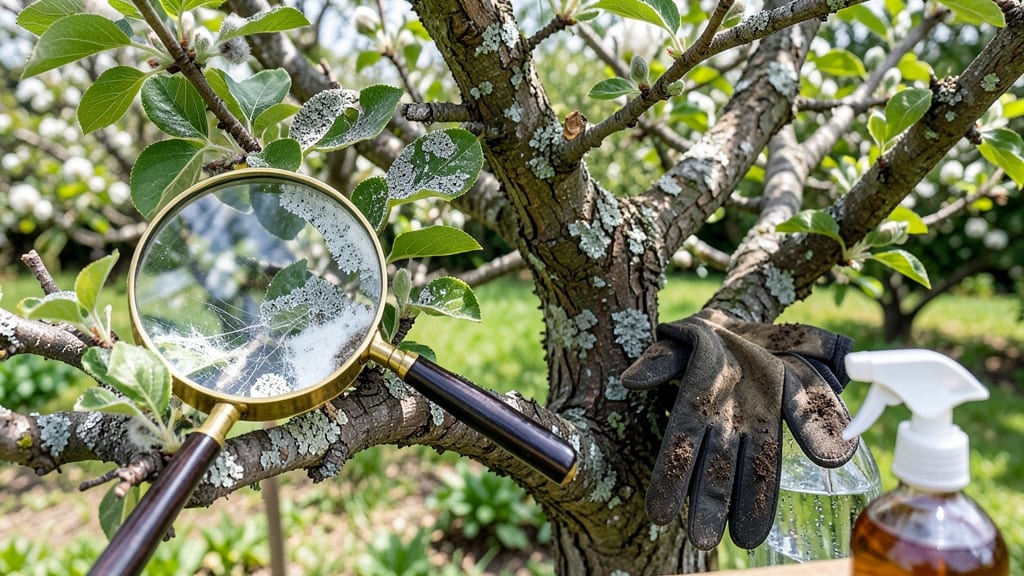
That white stuff on your tree branches isn't just dirt—it could be lichen, fungal growth, or even scale insects. 🌿 I've spent years diagnosing these mysteries, and the first step is telling them apart with just a few simple checks.
What looks like harmless dust might be a sign your tree needs help, or it could just be a harmless houseguest. Either way, knowing the difference saves your tree from serious damage.
Most of the time, it's either lichen—those leafy, crusty patches that cling harmlessly—or powdery mildew, which looks like flour dust and spreads fast. Scale insects create sticky white bumps that ooze when you scrape them, while sooty mold grows on top of sticky residue.
The key is checking texture, location, and whether it spreads or stays put. Lichen thrives in damp, shaded spots, while fungal growth loves heat and humidity.
Removing it safely depends on what it is. For lichen, a gentle brush or hose works—it won’t hurt the tree. Fungal growth or scale? Scrape off the worst of it, then treat with neem oil or horticultural oil to stop it returning.
If the tree looks stressed or the white stuff keeps coming back, it’s time to call an arborist before the problem spreads to your whole yard.
Early action is everything—what starts as a few white spots can turn into a full-blown infestation if ignored. The good news? Most cases are fixable with basic tools and a little patience. Let’s get your tree back to looking healthy and strong.
Nature’s White Mysteries Explained
When you spot that puzzling white coating on tree branches, it’s rarely a random act of nature—it’s a biological process with clear triggers. Understanding these causes helps you tell the difference between harmless growths and signs of tree stress. Here’s the science behind why trees develop these white layers.
Fungal spores are microscopic reproductive cells that drift through the air, landing on tree bark, leaves, and branches. When conditions are right—moisture, warmth, and organic debris—they germinate, forming visible white, gray, or powdery films. Common culprits include:
- Powdery Mildew: A surface-dwelling fungus that thrives in humid, shaded environments. It creates a chalky, white layer that doesn’t harm healthy trees but can weaken stressed ones.
- White Rot Fungi: Less common but more destructive, these fungi break down cellulose in wood, leading to soft, spongy branches. Look for fuzzy white patches that spread over time.
- Sooty Mold: Not a primary pathogen but a hitchhiker. It grows on honeydew (sugary waste from aphids or scale insects), forming a black or grayish-white crust. If you see sticky residue first, sooty mold is likely the follow-up.
💡 Pro Tip: Fungal growth is often seasonal—peak activity occurs in spring and fall when humidity is high. Prune affected branches in dry weather to slow spread.
Contrary to myth, lichen isn’t a plant or fungus alone—it’s a partnership between fungi and algae (or cyanobacteria). The algae provide food via photosynthesis, while the fungus offers structure and moisture retention. This collaboration creates those crusty, leafy, or shrubby white, gray, or greenish patches on bark.
- Crustose Lichen: Tightly attached to bark, appearing as thin, paint-like layers. Common on older trees in clean, unpolluted areas.
- Foliose Lichen: Leafy and lobed, often bright green or white. It clings loosely and may lift in wind or rain.
- Fruticose Lichen: Shrub-like, with branching structures. Rare on branches but sometimes found on trunks.
Why trees? Lichen doesn’t harm trees—it’s an epiphyte, meaning it uses the tree for support but doesn’t extract nutrients. In fact, it’s a bioindicator of clean air, thriving where pollution is low.
Before you see white mold, you might spot sticky residue—this is honeydew, a sugary excretion from sap-sucking insects like aphids, scale, or mealybugs. Honeydew attracts sooty mold spores, which then colonize the branch, creating a white or grayish film. The cycle goes:
- Insects feed on sap → produce honeydew.
- Honeydew coats leaves/branches → provides food for mold spores.
- Mold grows → forms a crusty, white layer.
🔥 Key Difference: If you scrape away the white stuff and find sticky residue underneath, insects are the root cause. Treat the pests first to prevent mold from returning.
Healthy trees resist fungal and lichen growth, but stress opens the door. Common stressors that make trees vulnerable:
| Stressor | How It Helps White Growth |
|---|---|
| Drought | Weakens bark, making it easier for spores to latch on. |
| Poor Soil | Nutrient deficiencies reduce tree resilience to pathogens. |
| Physical Damage | Cracks or wounds provide entry points for fungi. |
| Pollution | Acid rain or chemical exposure can kill beneficial microbes, allowing harmful fungi to dominate. |
Actionable Fix: Improve tree health with proper watering, mulching, and pruning to reduce stress-related white growth.
Now that you know the culprits, the next step is identifying which one you’re dealing with—and how to address it safely. 🌿
Quick Fixes for Branch Whiteouts
Got that mysterious white stuff clinging to your tree branches? Don’t panic—most causes have simple, effective solutions! Below, we break down the fixes by the likely culprit, from harmless coatings to pesky invaders. Follow these steps to restore your tree’s natural beauty while keeping it healthy.
Lichen might look like a nuisance, but it’s usually harmless (and even benefits some trees!). Still, if you want it gone, here’s how:
🧹 How to Remove Lichen
- 🔥 Scrub Gently – Use a soft-bristle brush or sponge with warm, soapy water (mild dish soap works). Avoid harsh chemicals—they can harm the tree.
- 🍳 Vinegar Rinse – Mix equal parts water and white vinegar in a spray bottle.
Lightly mist the branches (test a small area first to avoid discoloration). - ⏰ Timing Matters – Remove lichen on a damp, overcast day. Dry conditions can stress the tree.
💡 Prevention Tips
- 🌡️ Prune for Airflow – Thin out dense foliage to reduce humidity, making branches less inviting for lichen.
- ✨ Avoid Overwatering – Lichen thrives in moist environments, so water trees at the base (not overhead) during dry spells.
If the white stuff is fuzzy, powdery, or spreads quickly, it’s likely mold or mildew—often caused by excess moisture or poor air circulation.
🧼 How to Clean Moldy Branches
- 👨🍳 Baking Soda Spray – Mix 1 tablespoon baking soda, 1 teaspoon dish soap, and 1 gallon of water. Spray on branches (avoid leaves if possible).
- 🔪 Trim Affected Areas – Use sterilized pruning shears to cut off heavily moldy branches.
Dispose of clippings in a sealed bag. - 🌬️ Improve Airflow – Thin out nearby shrubs or structures blocking sunlight and breeze.
💡 Prevention Tips
- 🎯 Space Out Trees – Plant trees with at least 6–10 feet between them to prevent overcrowding.
- 🌧️ Water Early – Irrigate in the morning so foliage dries before nightfall.
If the white stuff looks like tiny sacs or webbing, you might be dealing with insect eggs, spider mites, or scale insects.
🐜 How to Eliminate Pests
- 🔥 Horticultural Oil Spray – Apply neem oil or insecticidal soap (follow label instructions).
Reapply every 7–10 days for severe infestations. - 🌡️ Blast with Water – A strong spray from the hose can dislodge eggs and mites (do this in early morning or evening). - 🐝 Attract Predators – Plant nearby flowers to lure beneficial insects like ladybugs, which eat pests naturally.
💡 Prevention Tips
- 🌿 Inspect Regularly – Check branches weekly, especially after rain or high humidity.
- 🍎 Keep Trees Healthy – Well-nourished trees resist pests better. Fertilize in early spring and fall.
If the white stuff looks like dust or flakes, it might be fertilizer, lime, or even airborne pollution.
🧴 How to Clean Chemical Buildup
- 💦 Rinse with Water – Use a hose to gently wash off residues (avoid high pressure on delicate branches).
- 🧼 Mild Soap Solution – For stubborn buildup, use a diluted dish soap spray.
- 🌱 Test Soil First – If you suspect over-fertilization, do a soil test before reapplying nutrients.
💡 Prevention Tips
- 🎯 Follow Label Instructions – Overapplying fertilizers or lime can lead to white crusts.
- 🌧️ Water After Application – Always water the base of the tree post-fertilization to rinse excess off leaves.
Pro Tip: 🌟 Before treating, identify the cause by touching the substance—lichen feels leathery, mold is soft and fuzzy, and insect eggs are often sticky or webby. When in doubt, snap a photo and consult a local arborist!
Frequently asked questions
Is white stuff on tree branches always harmful?
Not necessarily! Lichen is completely harmless—it's a natural partnership between fungi and algae that uses trees for support but doesn't damage them. In fact, it's often a sign of clean air. However, powdery mildew or sooty mold can weaken trees if left untreated, so always check the texture and location first.
How do I tell if it's mold or lichen?
Lichen feels leathery or crusty when touched and stays firmly attached to bark, while mold is usually soft and powdery. Also, lichen thrives in shaded, damp areas, whereas mold spreads quickly in warm, humid conditions. If you see sticky residue beneath the white layer, it's likely sooty mold from insect honeydew.
Can I use bleach to remove white stuff from branches?
Never use chlorine bleach—it can harm the tree and damage the bark. For mold, try a baking soda solution (1 tbsp baking soda + 1 tsp dish soap per gallon of water). For lichen, a gentle scrub with soapy water or diluted vinegar works best. Always test a small area first to avoid discoloration.
Will removing white stuff hurt my tree?
Only if it's done incorrectly. For lichen, gentle removal is safe, but avoid harsh scraping that damages bark. For mold or pests, focus on treating the root cause (like improving airflow or using neem oil). Healthy trees handle minor disturbances better—just don't over-prune or use chemicals unnecessarily.
When should I call an arborist?
If the white stuff keeps returning after treatment, spreads rapidly, or you notice other symptoms like wilting leaves or branch dieback, it's time to call a professional. Severe fungal infections (like white rot) or large-scale infestations may require specialized care. Early intervention prevents permanent damage.