
Trees
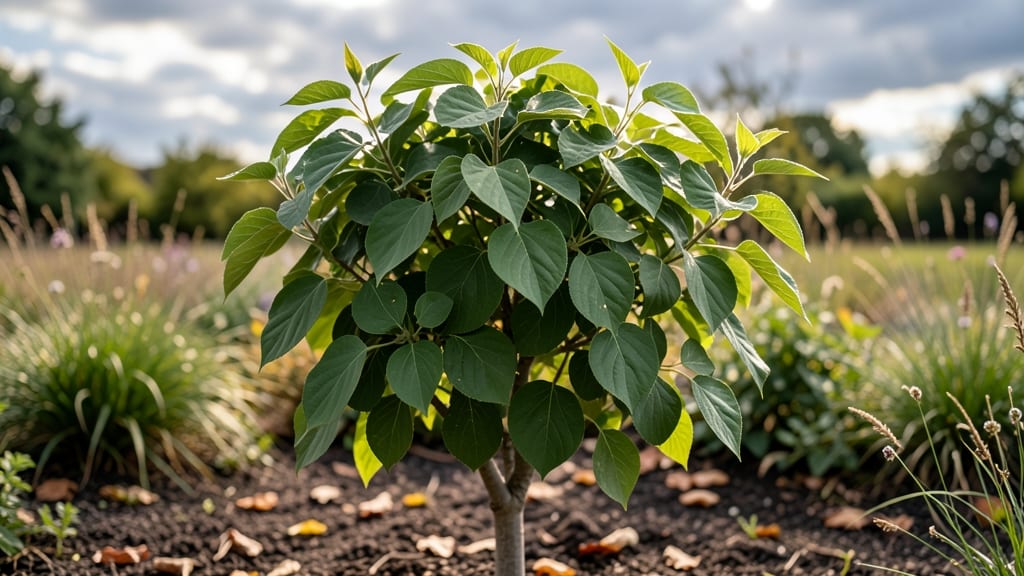
Your lilac tree’s leaves turning white isn’t just cosmetic—it’s a cry for help. 🌿 Whether it’s powdery mildew, nutrient starvation, or pests, the fix starts with understanding the root cause before symptoms spread.
I’ve seen lilacs go from sad and patchy to lush and fragrant again, and the secret lies in targeted care that matches the problem.
Most white leaves stem from powdery mildew (a fuzzy white coating) or nutrient deficiencies (like yellowing between veins). Pests like aphids or spider mites can also drain your tree’s vitality, leaving leaves dull and weak.
The good news? Each issue has a specific solution—from organic sprays to soil amendments—that brings back that classic lilac green in just a few weeks.
You’ll learn to spot the difference between mildew and mineral shortages, apply science-backed treatments (like neem oil or compost tea), and prevent future outbreaks with simple garden habits. By the end, your tree won’t just look better—it’ll thrive like the showstopper it is.
For stubborn cases or large trees, I’ll tell you when to call in a pro. But first, let’s diagnose what’s really going on with those leaves—because every white spot is a clue.
What Triggers Pale Lilac Foliage
When your lilac tree’s leaves turn white or pale, it’s rarely a sign of love—it’s a distress signal from the plant. Understanding the root causes helps you intervene before the problem worsens. Below, we break down the most common culprits behind this discoloration, backed by science and actionable insights.
Lilacs (Syringa spp.) thrive in full sun but can suffer from heat stress when temperatures soar, especially during drought conditions. When leaves absorb too much sunlight without adequate moisture, their chlorophyll breaks down, leading to a bleached or whitewashed appearance—often on the upper leaf surfaces.
Why it happens:
- Excessive transpiration: Hot air increases water loss through stomata (leaf pores), causing cellular dehydration. This disrupts photosynthesis, turning leaves pale or white.
- UV damage: Intense sunlight can scorch leaf tissue, particularly in young or thin leaves, mimicking a sunburn effect.
- Soil moisture deficit: Roots struggle to supply water fast enough, leaving leaves vulnerable to oxidative stress.
💡 Pro Tip: Mulch with 2–4 inches of organic matter (like shredded bark) to retain soil moisture and reduce temperature fluctuations. Water deeply in the early morning to minimize evaporation.
While drought stresses lilacs, excessive moisture can also trigger pale leaves by suffocating roots and promoting fungal infections. Waterlogged soil cuts off oxygen, forcing roots to "gasping" for air—this stress manifests as yellowing or whitening foliage, often paired with wilting.
Why it happens:
- Anaerobic conditions: Roots in waterlogged soil produce ethanol (a byproduct of fermentation), which is toxic to cells. This disrupts nutrient uptake, including magnesium and nitrogen, essential for chlorophyll production.
- Fungal pathogens: Overly wet soil encourages Phytophthora or Pythium, which clog root tissues and block water/nutrient flow, leading to pale, dying leaves.
- Salt buildup: Overwatering with tap water (high in chlorides/sulfates) can accumulate salts in the root zone, further stressing the plant.
🔥 Action Step: Check soil moisture by inserting a screwdriver 3 inches deep—if it slides in easily, drain excess water. Amend heavy clay soil with perlite or sand to improve drainage.
One of the most common culprits behind white or chalky leaves on lilacs is powdery mildew (Erysiphe spp.), a fungal disease that thrives in humid, shaded conditions. The white, powdery coating isn’t just cosmetic—it blocks sunlight, stifles photosynthesis, and weakens the plant over time.
Why it happens:
| Factor | Scientific Mechanism |
|---|---|
| High humidity (70%+) | Fungal spores germinate and spread via airborne conidia, exploiting wet leaf surfaces. |
| Poor air circulation | Stagnant air traps moisture, creating ideal conditions for fungal growth. |
| Nitrogen deficiency | Weakened plants (from poor soil or over-pruning) have less resistance to pathogens. |
✨ Prevention Tip: Space lilacs 3–6 feet apart for airflow and apply neem oil (1 tsp per gallon of water) every 2 weeks during humid seasons. Prune for open canopies to reduce shade.
Pale or white lilac leaves can signal a chlorosis (loss of green pigment) caused by deficiencies in magnesium or nitrogen. These nutrients are critical for chlorophyll synthesis, and their absence turns leaves white or yellow between veins.
Why it happens:
- Magnesium deficiency: Often occurs in alkaline soils (pH >7.0), where magnesium binds to calcium and becomes unavailable. Since magnesium is the center of the chlorophyll molecule, its lack halts photosynthesis.
- Nitrogen deficiency: Lilacs are heavy feeders and deplete soil nitrogen quickly. Without it, leaves produce less chlorophyll, leading to pale, stunted growth.
- Improper soil pH: Lilacs prefer slightly acidic to neutral soil (pH 6.0–7.0). Outside this range, micronutrients like iron and manganese become locked away, exacerbating chlorosis.
🎯 Fix It: Conduct a soil test (available through local extension offices) and amend with:
- Epsom salt (magnesium sulfate):** 1 tbsp per gallon of water, applied as a foliar spray or soil drench.
- Slow-release nitrogen: Use compost or a balanced 10-10-10 fertilizer in early spring.
- Sulfur or peat moss: To lower pH if soil is alkaline.
🚨 Watch Out: If leaves also show purple undersides, phosphorus deficiency may be the issue—address with bone meal or a phosphorus-rich fertilizer.
Revitalize Your Tree’s Health
Seeing white or discolored leaves on your lilac tree can be alarming, but the good news is that most issues are fixable with the right care. Below, we’ve mapped out practical solutions for common causes—from fungal infections to environmental stress—along with prevention tips to keep your tree thriving.
Think of this as a step-by-step guide to bringing your lilac back to its vibrant, fragrant best.
If white, powdery patches or black spots appear on leaves, your lilac may be battling powdery mildew or black spot disease. These fungal foes thrive in humid, shady conditions but can be tackled with these steps:
🔥 Treat the Infection
- Prune Infected Branches 🌿
- Use clean, sharp pruners to remove and dispose of (not compost) heavily affected leaves and stems. Focus on inner branches where airflow is poor.
- Pro Tip: Sterilize your tools with rubbing alcohol between cuts to prevent spreading spores.
- Apply Fungicide 🛡️
- Spray leaves undersides and tops with a copper-based fungicide or a neem oil solution (1 tbsp neem oil + 1 tsp mild soap per quart of water). Reapply every 7–10 days until new growth appears.
- For organic gardeners: Baking soda spray (1 tsp baking soda + 1 quart water + a drop of soap) works as a preventive measure.
- Improve Air Circulation 🌬️
- Thin out dense foliage to let sunlight and air reach the center of the tree. This disrupts the fungus’s love of damp, dark conditions.
💡 Prevention Tips
- Water at the base (avoid overhead spraying, especially in the evening).
- Space plants 3–5 feet apart to reduce humidity buildup.
- Plant in full sun—lilacs need 6+ hours of sunlight daily to stay resilient.
White or yellowing leaves can also signal underwatering, overwatering, or nutrient deficiencies. Lilacs are tough but appreciate consistent care.
💦 Fix Watering Woes
| Issue | Solution | Prevention |
|---|---|---|
| Wilting, crispy edges | Water deeply 1–2 times per week (check soil 2” down—it should be moist but not soggy). | Mulch around the base to retain moisture. |
| Yellowing leaves | Reduce watering; lilacs hate “wet feet.” Ensure the pot or soil has drainage holes. | Plant in well-draining soil (sandy loam ideal). |
| Drooping new growth | Mulch with 2–3 inches of organic matter (wood chips, straw) to regulate soil temp. | Avoid compacted soil—loosen roots gently if planted in clay. |
🌱 Boost Nutrients
- Test your soil (pH 6.0–7.0 is ideal for lilacs). Amend with compost or a balanced fertilizer (10-10-10) in early spring.
- Avoid over-fertilizing—too much nitrogen causes lush foliage but weak flowers. Stick to low-nitrogen, high-phosphorus (for blooms) in spring.
Chewed leaves, webs, or tiny bugs on stems? Aphids, spider mites, or lilac borers might be the culprits. Act fast:
🚫 Eliminate Pests Naturally
- Blast Off Aphids/Spider Mites 💦
- Spray leaves with a strong stream of water to dislodge pests. Follow up with insecticidal soap or soap spray (1 tsp mild soap per quart of water).
- Trap Borers Early 🕷️
- Look for sawdust-like frass near stems or holes in bark. Prune infested branches and treat cuts with pruning paint to seal entry points.
- Pro Tip: Wrap the trunk with aluminum foil (borers dislike the texture) for 2–3 months to deter new infestations.
- Encourage Beneficial Bugs 🐞
- Plant marigolds or dill nearby to attract ladybugs and lacewings, which devour aphids.
🌡️ Prevention Tips
- Inspect leaves weekly during growing season (spring–summer).
- Avoid broad-spectrum pesticides—they kill beneficial insects too.
- Keep the area weed-free—pests hide in overgrown grass and debris.
If leaves turn white or fall off quickly (within days), your lilac might be reacting to:
- Transplant shock (recently moved or repotted).
- Extreme heat/cold (sudden temp swings).
- Chemical damage (over-fertilizing or herbicide drift).
🛠️ Recovery Steps
- Shade the Tree ☀️🚫
- Use a light shade cloth (30–50% coverage) for 2–3 weeks if temperatures exceed 90°F (32°C).
- Adjust Watering 💧
- Water every 2–3 days during heatwaves, keeping soil consistently moist but not waterlogged.
- Check for Stressors 🔍
- Move potted lilacs to a sheltered spot if exposed to wind or harsh sunlight.
- Flush soil with water if you suspect fertilizer burn (over-salinity).
✨ Long-Term Care
- Mulch heavily (4–6 inches) to protect roots from temperature swings.
- Avoid pruning during extreme weather—wait until spring or fall.
Remember: Lilacs are hardy and often bounce back with minimal intervention. Monitor your tree weekly, and don’t hesitate to consult a local arborist if issues persist. With these fixes, your lilac will be back to its fragrant, leafy self in no time! 🌸
Frequently asked questions
Why do my lilac tree leaves look white and powdery?
That’s likely powdery mildew, a fungal disease that thrives in humid conditions. The white coating blocks sunlight and weakens your tree. Prune affected branches, improve airflow by thinning foliage, and spray with neem oil or baking soda solution (1 tsp baking soda + 1 quart water + drop of soap). Reapply every 7–10 days.
Can white lilac leaves mean my tree is dying?
Not necessarily! While severe cases require attention, white leaves often signal treatable issues like nutrient deficiencies (magnesium/nitrogen) or pests. Check for wilting, leaf drop, or pests first. If the tree has new growth and firm stems, it’s likely recoverable with proper care. Focus on soil testing and targeted treatments.
How do I tell if white leaves are from mildew vs. nutrient problems?
Mildew leaves have a fuzzy white coating on top and bottom, while nutrient issues show pale yellowing between veins. Rub a leaf between your fingers—if it leaves a white powder, it’s mildew. For nutrient problems, check soil pH (ideal: 6.0–7.0) and amend with Epsom salt (magnesium) or compost (nitrogen).
Will pruning help my lilac’s white leaves?
Yes, but strategically! Remove only heavily infected branches (for mildew) or dead/diseased wood (sterilize tools with rubbing alcohol). Avoid over-pruning—lilacs store energy in branches. Focus on improving airflow by thinning dense areas. Prune in late winter/early spring for best results.
How often should I water a lilac with white leaves?
Water deeply 1–2 times per week (check soil 2" down—it should be moist but not soggy). Overwatering causes root rot, while underwatering stresses the tree. Mulch with 2–3 inches of organic matter to retain moisture. If leaves are crispy, increase watering; if yellowing, reduce it.