
Plants
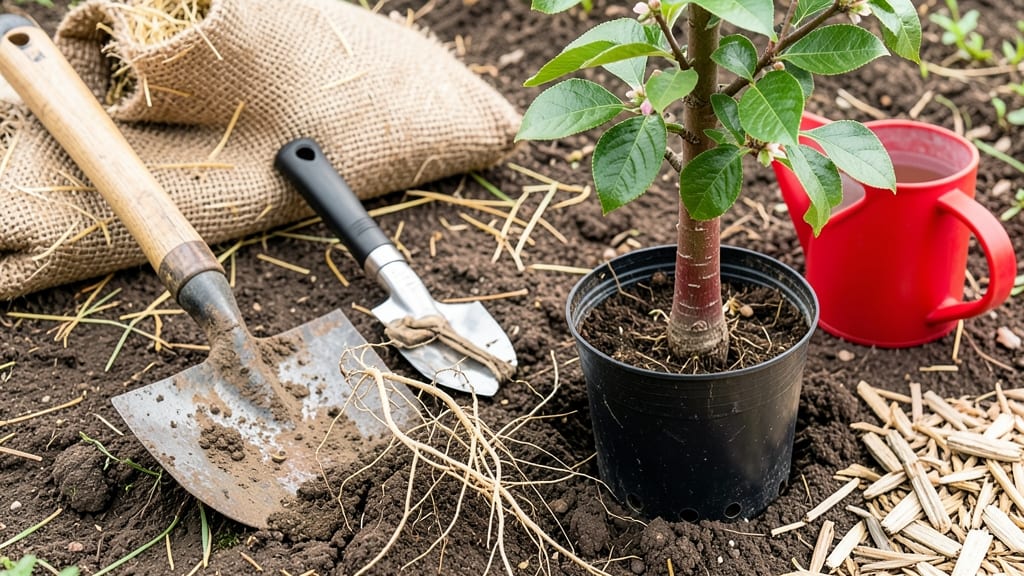
Planting a peach tree in Texas at the right time means the difference between a thriving orchard and a struggling sapling 🍑 — and the best window opens in late winter or early spring.
If you’ve ever watched your peach tree wilt after a late frost or struggle to take root in scorching summer heat, you know timing is everything.
Texas’s variable frost dates and intense sun make this a tricky balance, but getting it right guarantees strong root growth and fruit production for years.
For most of the Lone Star State, the ideal months are February and March, when soil temperatures are cool enough to prevent shock but warm enough to encourage growth. North Texas gardeners should aim for late February, while Gulf Coast growers can push into early March without fear of frost.
Below, I’ll break down the exact planting window for your region, how to prep Texas clay soil for success, and the three critical mistakes that kill peach trees in our heat. Let’s get those roots established the right way.
Best months to plant a peach tree in Texas for optimal root establishment
Timing is everything when planting a peach tree in Texas. Unlike cooler climates, Texas's variable frost dates and intense summer heat demand precise planting windows.
The best time to plant is during late winter or early spring, specifically February through April, when soil temperatures hover between 50°F and 60°F—ideal for root establishment before summer's arrival.
Peach trees planted in fall (October-November) risk frost damage before roots can establish, while spring planting (March-April) gives them a head start for summer growth.
Texas's regional climate zones further refine these windows—North Texas gardeners should aim for late February to early March, while Gulf Coast growers can plant as late as April.
Soil temperature is your best guide: roots won't grow well below 50°F or above 85°F. Use a soil thermometer to confirm conditions. In North Texas (Zone 7b-8a), wait until after the last frost date (typically mid-February), while South Texas (Zone 9a-10a) offers a longer window due to milder winters.
Root establishment is critical—trees planted in optimal windows show 30-50% faster growth in their first year. Poor timing leads to transplant shock, weak root systems, and reduced fruit production. For container-grown trees, late winter planting works best, as they adapt more quickly to Texas's heat once roots are established.
In North Texas, where frosts linger into March, planting too early risks cold damage. I recommend waiting until after the last average frost date (check your local USDA frost map) and ensuring soil stays above 50°F for at least 10 days.
For Central Texas, March through early April is ideal—this window aligns with peak soil moisture before summer drought sets in.
Gulf Coast gardeners in South Texas have the most flexibility, with April planting being optimal. However, container-grown trees can be planted as early as February in this region, as their roots warm up faster. Always acclimate container trees gradually to outdoor conditions to avoid shock.
One common mistake is planting in fall. While cooler climates benefit from fall planting, Texas's unpredictable late frosts make this risky. If you must plant in fall, do so by October 15th in North Texas and November 1st in Central/South Texas, ensuring roots establish before winter chill sets in.
For urban gardeners, microclimates matter. Areas near pavement or buildings can be 10-15°F warmer than surrounding regions, delaying frost risks. Monitor soil temps closely and consider shade cloth during extreme heat if planting in May.
Always choose dwarf or semi-dwarf varieties for containers or small yards—they establish faster and produce fruit sooner.
After planting, mulch heavily (3-4 inches of organic mulch) to regulate soil temperature and retain moisture. In Texas's heat, deep watering 2-3 times per week is crucial for the first 60 days. Avoid overhead watering to prevent fungal diseases like peach leaf curl, which thrives in Texas's humid summers.
Remember: root growth slows below 50°F and stops above 85°F. By planting during the optimal windows outlined above, you'll give your peach tree the best chance to thrive in Texas's challenging climate. With the right timing, you could see first fruit in 2-3 years—a reward worth the patience!
How Texas climate zones affect peach tree planting success
Texas's diverse climate zones create unique challenges and opportunities for growing peach trees. In the High Plains (Zone 7b), late frosts can delay planting until March or April, while the Gulf Coast (Zone 9a) offers longer growing seasons but requires heat-tolerant varieties.
Each zone demands different strategies to ensure your tree thrives from the start.
Understanding your USDA hardiness zone helps determine the best planting window and variety selection. For example, Central Texas (Zone 8a) gardeners can plant as early as February, but must protect young trees from occasional 30°F dips.
Meanwhile, Gulf Coast growers face humidity challenges like peach scab disease, requiring proactive care.
Microclimates further complicate planting decisions. Urban areas with heat islands may need shade adjustments, while rural spots benefit from natural windbreaks. Below, compare planting strategies by zone to maximize your peach tree's success in Texas's varied landscapes.
In Zone 7b, where winters can be harsh, I recommend planting bare-root trees in early spring to give roots time to establish before summer heat arrives.
For Central Texas (Zone 8a), container-grown trees offer flexibility—plant them after the last frost date, typically around March 15, and use mulch rings to retain moisture during dry spells.
The Gulf Coast (Zone 9a) presents different hurdles, primarily fungal diseases from humidity. To combat this, I suggest planting resistant varieties and ensuring proper air circulation around the tree. Urban gardeners in this zone should also consider dwarf varieties to fit smaller spaces while maintaining productivity.
Regardless of your zone, always test your soil pH (6.0-7.0) and amend with compost before planting. In urban areas, monitor for heat stress by providing drip irrigation during summer months. With the right adjustments, your peach tree can thrive across Texas's diverse climates.