
Plants
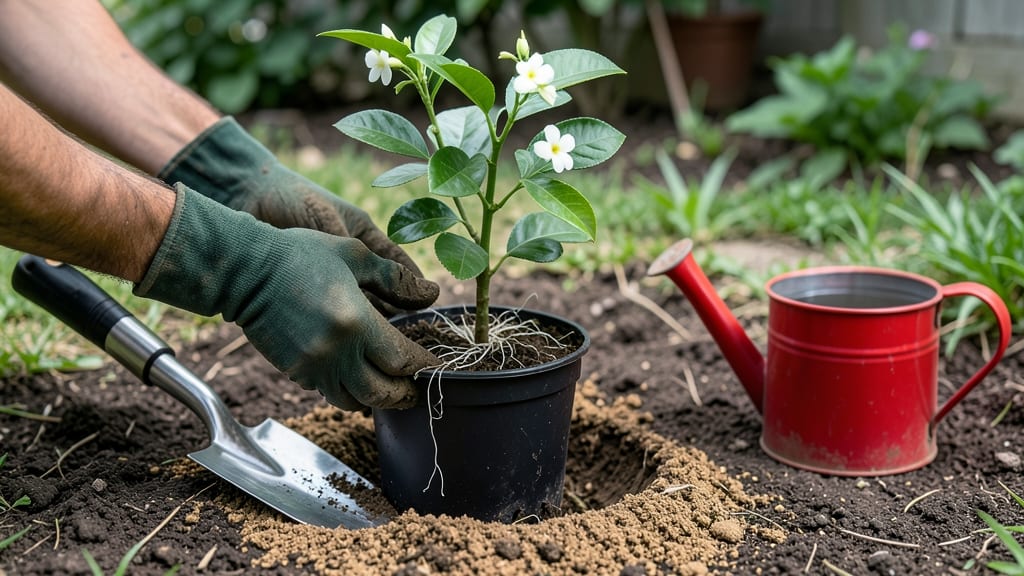
Planting a lemon tree 🍋 in the ground at the right time means the difference between a thriving citrus tree and one that struggles to take root.
You’ve probably imagined the scent of fresh lemons wafting through your garden, but the wrong timing can leave your tree weak and vulnerable. In warmer USDA Zones 9-11, the key is planting when soil temperatures hover between 60-75°F—that’s late winter through early spring or early fall.
Why does timing matter so much? Because lemon trees need consistent warmth to establish strong roots before summer’s heat or winter’s chill sets in. A well-timed planting also speeds up growth, so you’ll see fruit sooner rather than later.
Below, I break down the exact months to plant based on your zone, how to prep the soil for fast root development, and what to watch for after you dig that first hole.
Best planting months for lemon trees in Zones 9-11: a month-by-month breakdown
In USDA Zones 9-11, where frost is rare or nonexistent, your lemon tree can thrive year-round—but timing still matters for root establishment and fruit production. The best windows focus on soil temperatures between 60-75°F and avoiding extreme heat stress.
For in-ground planting, late winter through early spring (February-May) is ideal, while fall (September-November) offers a second chance for container-grown trees.
Why does timing matter? Temperature fluctuations can shock young roots, and microclimates (like coastal vs. inland areas) shift optimal months.
For example, inland Zone 9b may need earlier spring planting than coastal Zone 11a. Container planting gives you more flexibility but requires well-draining soil mixes to prevent root rot in summer's heat.
Soil temperature is your golden metric: below 60°F, roots grow sluggishly; above 85°F, they risk heat stress. In Zone 9, aim for March-April when daytime highs hit 70°F+. Zones 10-11 can plant as early as February, but monitor humidity levels—high moisture slows root establishment.
For container planting, adjust timing based on your microclimate. Coastal areas in Zone 11 can plant year-round, while inland Zone 9 gardens should stick to February-April or September-October.
Containers heat up faster—use black pots in winter to absorb warmth and white pots in summer to reflect heat. Always check for root-bound conditions before transplanting.
If you missed the spring window, don’t panic—fall planting (September-October) works beautifully in Zones 9-11. The cooler temps reduce water stress, and roots establish before summer’s return. Just avoid planting when nighttime temps drop below 55°F, as citrus trees are sensitive to chill damage.
In Zone 11, you can even plant in December, but use shade cloth during peak afternoon sun.
Pro tip: Test your soil temperature before planting. Stick a soil thermometer 4 inches deep—if it’s below 60°F, wait 1-2 weeks. In Zone 9b, aim for March 15-April 15; in Zone 11, February 1-March 15 is prime.
For container-grown trees, acclimate them outdoors gradually (1-2 hours/day) starting 2 weeks before planting to avoid transplant shock.
Microclimates play a huge role—urban heat islands
Signs your lemon tree is ready for planting (and how to prepare the soil)
Your lemon tree might look ready, but subtle clues reveal its true planting readiness. Look for new leaf growth after winter dormancy—this signals the tree’s energy shift from survival to expansion.
In containers, roots circling the pot or growing through drainage holes mean it’s time to transplant before they strangle the root ball.
Another key sign? A healthy drop of leaves during repotting or transplanting. While this sounds alarming, it’s normal as the tree adjusts to new conditions. Avoid planting if leaves are yellowing due to nutrient deficiencies or wilting from overwatered roots—these issues need fixing first.
🌱 Key Takeaway: When to Plant a Lemon Tree in the Ground
- 🌱 Best Time: Late winter to early spring (March–May) or fall (September–November) in USDA Zones 9–11.
- 🌡️ Soil Temp: Wait until soil warms to 60–75°F—use a soil thermometer to check.
- 🌿 Readiness Signs: New leaves, root-bound containers, or healthy leaf drop during transplant.
- ⚠️ Avoid: Planting during heatwaves or frost risk—roots need stable conditions.
✅ Pro Tip: Test soil pH (6.0–7.0) and amend with compost or sand for drainage.
Before digging, prepare the soil like a five-star hotel for roots. Lemon trees hate soggy feet, so amend heavy clay with coarse sand or perlite to boost drainage.
Aim for a 60/40 mix of native soil and organic matter—think compost, aged manure, or coconut coir—to feed hungry roots without compacting the soil.
Don’t skip the pH test! Lemon trees thrive in slightly acidic to neutral soil (pH 6.0–7.0). If your soil tests higher, mix in sulfur or peat moss; for alkaline soil, add elemental sulfur or pine needles.
A simple home pH kit costs $10 and saves your tree from nutrient lockout.
Dig a hole twice as wide as the root ball but only as deep. The graft union (where the tree meets the rootstock) should sit 2 inches above ground to prevent rot.
Backfill with your amended soil, tapping gently to remove air pockets. Water deeply to settle the roots and encourage contact with moist soil.
After planting, mulch with 3–4 inches of wood chips or straw to retain moisture and regulate soil temperature. Keep mulch 6 inches away from the trunk to avoid rot.
Avoid fresh grass clippings—they mat down and smother roots. Your lemon tree is now set for rapid root growth and a lifetime of lemons!