
Plants
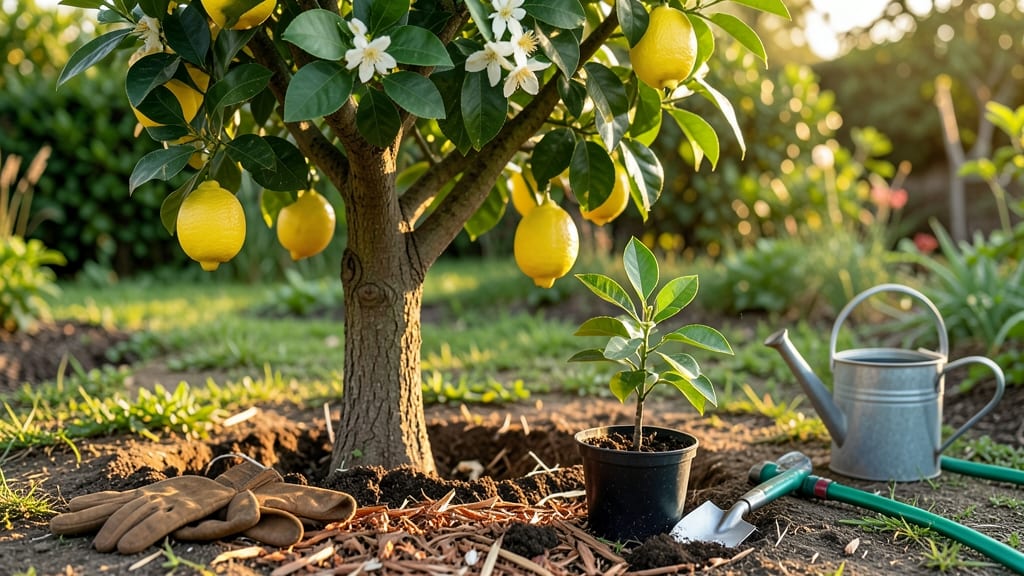
Planting a lemon tree 🍋 in Louisiana means timing it right to avoid frost damage and maximize fruit production—aim for late winter or early fall.
If you’ve ever watched your lemon tree struggle through a late frost or wilt in summer heat, you know timing matters. Louisiana’s 8a-9b climate gives you two perfect windows: February-March after the last frost or September-October before cooler weather sets in.
The key is soil prep and placement—well-draining soil and full sun are non-negotiable. Whether you’re planting in-ground or in containers, the right timing ensures your tree thrives year-round.
Below, I’ll break down the best months for your region, how to prep the soil, and what to watch for after planting to keep your lemon tree happy and productive.
Best months to plant lemon trees in Louisiana’s climate zones
Louisiana’s humid subtropical climate (USDA zones 8a-9b) creates perfect conditions for growing lemon trees, but getting the planting timing right is everything. Unlike northern climates, Louisiana’s mild winters and long growing season give you two ideal windows: early spring and late fall.
Each offers unique advantages for root establishment and fruit production.
For spring planting, aim for February through March—just after the last frost date (typically around March 15).
This gives young trees 6-8 weeks of warm soil before summer’s peak heat. Fall planting (September-October) is equally effective, allowing roots to settle before winter while avoiding summer’s intense humidity and pest pressure.
Here’s a quick summary-table breaking down the best planting months, frost risks, and humidity impacts for Louisiana’s climate zones:
| Planting Window | Optimal Months | Frost Risk | Humidity Impact | Root Establishment |
|---|---|---|---|---|
| Spring Planting | February-March | Low (after last frost) | Moderate (drying winds) | Fast (warm soil) |
| Fall Planting | September-October | None (before first frost) | High (moist air) | Steady (cool roots) |
| Avoid Planting | April-May, November-December | High (summer heat stress) | Extreme (fungal risk) | Slow (stress factors) |
Spring planting in February-March lets you capitalize on Louisiana’s rapid soil warming. The average last frost date across most of the state falls around March 15, but coastal areas like New Orleans (Zone 8b) may see frost as late as March 25.
For inland areas like Shreveport (Zone 8a), aim for late February to avoid any lingering cold snaps.
If you choose fall planting, prioritize September-October to give roots time to establish before winter. Louisiana’s first frost typically arrives around December 1, but northern zones (8a) can see frost as early as November 15.
The high humidity in fall helps roots absorb moisture efficiently, but avoid planting too late—November risks root shock before winter dormancy.
One critical factor in Louisiana is humidity’s double-edged sword. While it aids root growth, excessive moisture can promote fungal diseases like root rot. Always plant in well-draining soil or raised beds to prevent waterlogged roots.
For container growing, use pots with drainage holes and a citrus-specific potting mix to balance moisture retention.
For Meyer lemon trees (a popular cold-hardy variety), spring planting often yields faster fruit production because the tree focuses energy on root growth rather than flowering. Meanwhile, Eureka lemons (less cold-tolerant) thrive with fall planting to establish roots before their sensitive flowering phase in spring.
Pro tip: If you’re in Zone 9b (southern Louisiana), you can even plant as late as early November with minimal frost risk. Just monitor soil temperatures—keep them above 60°F (15°C) for optimal root development. Use a soil thermometer to check before planting.
Remember, container-grown lemon trees adapt more easily to timing shifts than in-ground plants. If you miss the ideal windows, a potted tree can be moved to a protected location during extreme heat or cold. Just ensure it gets full sun exposure year-round for best results.
🌱
How Louisiana’s microclimates affect lemon tree planting success
Louisiana’s diverse microclimates create unique challenges and opportunities for growing lemon trees. Coastal areas like New Orleans experience milder winters and higher humidity, while inland regions such as Shreveport face hotter summers and earlier frosts. These variations directly impact planting timing and variety selection for optimal growth.
For coastal Louisiana, Meyer lemon trees thrive when planted in late winter (February-March), as they tolerate humidity better than other varieties. Inland areas should aim for early fall (September-October) to avoid summer heat stress.
Even within the same city, urban heat islands can raise temperatures by 5-10°F, requiring adjustments to watering and shade strategies.
| Microclimate Type | Best Planting Window | Recommended Variety | Key Adjustments |
|---|---|---|---|
| Coastal (e.g., New Orleans) | February-March | Meyer Lemon | Increase airflow, watch for fungal diseases |
| Inland (e.g., Shreveport) | September-October | Eureka Lemon | Use mulch for heat retention, deeper watering |
| Urban Heat Islands | March-April or September | Dwarf Meyer | Provide afternoon shade, frequent watering |
| Rural Areas | February or October | Eureka or Lisbon | Monitor for frost pockets, use windbreaks |
The Meyer lemon variety excels in coastal areas due to its disease resistance and tolerance for 90% humidity. In contrast, the Eureka lemon handles inland heat better but requires well-draining soil to prevent root rot.
For urban gardens, dwarf varieties are ideal—they adapt better to heat islands and fit smaller spaces while producing abundant fruit.
In rural areas, watch for microclimate frost pockets that can occur even in USDA Zone 9. Planting in elevated beds or using windbreaks can protect young trees. Always test your soil’s pH (6.0-7.0) and amend with organic matter to improve drainage, especially in heavy clay soils common across Louisiana.
Adjust your watering schedule based on local conditions—coastal areas may need daily watering in summer, while inland regions can stretch intervals to every 3-4 days. Mulching with pine straw helps retain moisture and regulate soil temperature, a critical factor in Louisiana’s humid climate.
By understanding these microclimate differences, you can choose the right lemon tree variety and planting time for your specific location, ensuring healthier growth and higher fruit yields year-round. 🌱🍋