
Plants
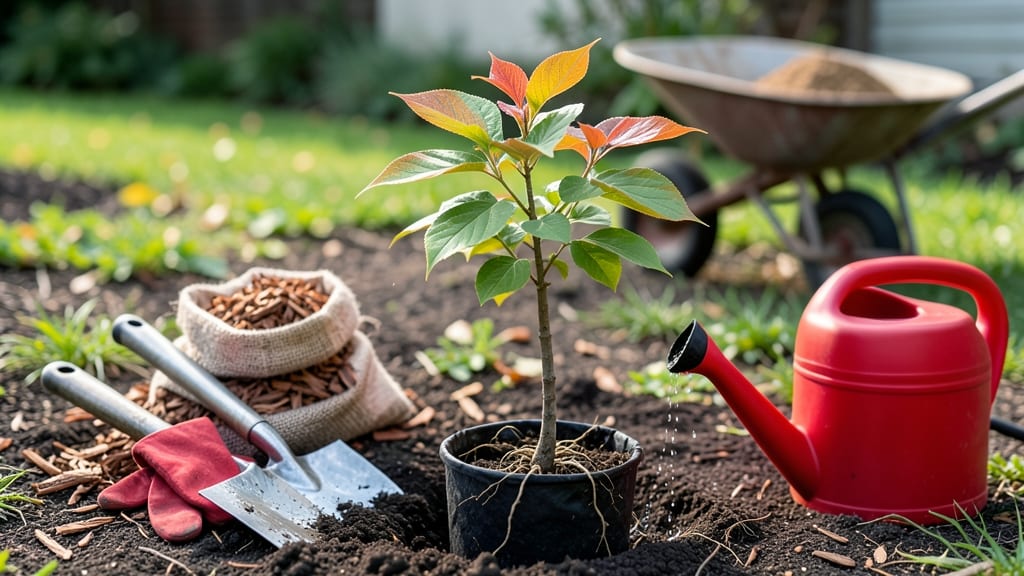
Planting a dogwood tree in fall gives it a strong start before winter, but timing it right is the secret to avoiding stress and frost damage.
Picture this: you’ve just dug the hole, roots are snug in the soil, and the forecast promises three weeks of mild weather before the first hard frost.
That’s the sweet spot for your dogwood tree 🌳—cool enough to encourage root growth, but not so cold that new roots freeze before they establish.
In most regions, that window falls between late October and early November, but your exact timing depends on your USDA zone and local frost dates. Too early, and the tree may bolt in the heat; too late, and frost can damage tender roots before they settle in.
Below, I’ll break down the best months by zone, how to prep the soil, and the critical care steps to keep your dogwood thriving through its first winter.
Optimal fall planting months for dogwood trees by USDA climate zones
Planting a dogwood tree in fall gives its roots a head start before winter dormancy, but timing varies dramatically across USDA climate zones.
In Zone 3, where winters are harsh, you’ll want to plant in early September to avoid early frosts, while Zone 9 gardeners can extend planting into December. The key is understanding your local soil temperature thresholds—roots need 45-55°F soil to establish without heat stress or frost damage.
Fall planting offers cooler temperatures and reduced transplant shock compared to summer, but regional variations matter. For example, the Pacific Northwest (Zone 7-8) has milder winters, allowing later plantings, while the Deep South (Zone 8-9) risks early frosts if planted too late.
Always check your last frost date and aim to plant 4-6 weeks before ground freezes.
Here’s how to adjust for early or late frosts: In zones with unpredictable frost patterns (like Zone 5), plant bald-faced hornbeam or cornus alternifolia varieties—they tolerate colder soil better. For Zone 9+, extend planting into December if soil stays above 50°F.
Dogwoods enter dormancy when daylength shortens and temperatures drop, but soil moisture is critical. Overwatering before dormancy can rot roots, while drought stress weakens the tree. Aim for well-draining soil with organic matter to balance moisture retention.
🌳
| USDA Zone | Best Planting Window | Soil Temp Threshold (°F) | Regional Adjustments | Dormancy Trigger |
|---|---|---|---|---|
| 3-4 | Early September | 45-50°F | Avoid early frosts; use burlap wraps for protection | First hard frost (Nov) |
| 5-6 | Mid-September to early October | 50-55°F | Monitor soil moisture—drought stress weakens roots | Daylength <12 hours |
| 7-8 | October to November | 55-60°F | Pacific Northwest: Plant later (Nov); Midwest: Early Oct | First frost (Nov-Dec) |
| 9 | November to December | 60-65°F | Deep South: Plant until Dec if soil >50°F; avoid heatwaves | No hard frost |
In Zone 3-4, prioritize early September plantings to avoid early frosts that can damage new roots. Use mulch (3-4 inches) to insulate soil and protect against temperature swings. For Zone 5-6, aim for mid-September to early October—this window balances root establishment and dormancy triggers like shorter daylight.
Gardeners in Zone 7-8 have the most flexibility, with October to November as ideal. The Pacific Northwest can extend plantings into November due to milder winters, while the Midwest should plant earlier to avoid early October frosts.
Always test soil temperature with a soil thermometer—roots need 55-60°F to thrive.
For Zone 9+, plant until December if soil stays above 50°F. The Deep South risks heat stress if planted too late, so monitor weather forecasts. Florida gardeners can plant year-round, but fall offers lower humidity and reduced pest pressure.
Regional microclimates also play a role. In mountainous areas (e.g., Appalachians), plant 2-3 weeks earlier than valley zones due to colder nights. Coastal areas like California’s Zone 8-9 can plant later thanks to milder winters, but avoid foggy periods that delay root growth.
Pro tip: If your area has unpredictable frost dates, opt for hardier varieties like Cornus sericea (red-osier dogwood) or Cornus kousa (Kousa dogwood), which tolerate colder soil temperatures better than Cornus florida (flowering dogwood).
🌿
5 Critical signs your dogwood tree is ready for fall planting
Fall planting offers dogwood trees a head start on root growth before winter dormancy, but timing is critical. The perfect window depends on soil temperature, moisture levels, and tree health.
Ignoring these signs can lead to stressed roots or frost damage. Let’s explore the 5 key indicators that your dogwood is ready for fall planting.
First, check the soil temperature. Ideal planting occurs when soil temps drop to 40-50°F. Use a soil thermometer to test 6 inches deep—this mimics root zone conditions.
Cooler temps reduce transplant shock while allowing roots to establish before winter. If your soil is still warm, wait a few weeks.
Look for green leaves turning yellow or brown—a sign of natural dormancy. Avoid planting if leaves are still vibrant green, as the tree is still actively growing.
Gently lift the root ball—it should feel moist but not soggy. Squeeze a handful of soil; if it crumbles, water lightly before planting. Overly dry roots struggle to adapt.
Plant 4-6 weeks before the first hard frost. Check your local USDA zone—Zone 5-7 should aim for early November, while Zone 8-9 can extend to December.
Test soil by poking a trowel or stick into the ground. If it resists easily, the soil is too hard or frozen. Wait until it’s loose and crumbly—ideal for root penetration.
Consistent cool days (below 70°F) signal the tree’s growth slows. This reduces transplant shock and helps roots focus on establishing before winter.
Next, avoid planting in soggy or frozen ground. Waterlogged soil cuts off oxygen to roots, while frozen soil prevents proper root expansion. If your area experiences early frosts, opt for container-grown dogwoods—their roots adapt faster to cooler conditions.
Finally, prepare the planting site by amending the soil with compost or aged manure to improve drainage. Dogwoods thrive in slightly acidic soil (pH 5.0-6.0), so test your soil and adjust with sulfur if needed.
A well-prepared site ensures your dogwood’s roots establish quickly, setting the stage for vibrant spring blooms.
With these signs in mind, you’ll confidently plant your dogwood at the ideal fall moment, giving it the best chance to flourish for years to come. Happy planting! 🌳