
Pruning
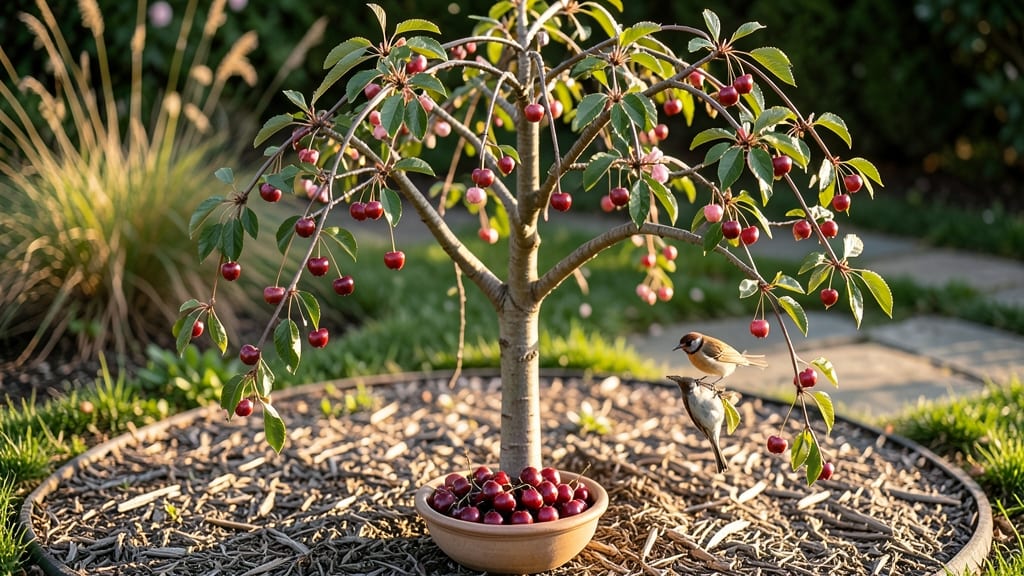
Edible parts of weeping cherry trees include the flowers (best enjoyed raw or lightly cooked for their delicate sweetness) and young leaves (which require cooking to reduce bitterness), while the bark and seeds contain toxic compounds that must never be consumed. Always verify the tree's variety and pesticide-free status before harvesting any plant material.
Weeping cherry trees offer surprisingly versatile edible components when harvested correctly. 🌸 The flowers—often picked in spring—can be used fresh in salads or infused into teas, while the young leaves (harvested before full maturity) need gentle cooking to transform their bitter edge into a palatable, slightly astringent flavor.
What's crucial is distinguishing between ornamental varieties (like Prunus subhirtella) and fruit-bearing species—some cultivated cherries share the same genus but have entirely different safety profiles. Always cross-reference with local botanists or extension services before consumption, as misidentification can lead to serious health risks.
The key to successful foraging lies in timing and preparation. Flowers should be gathered when fully open but before they begin to wilt, while leaves work best when still tender and bright green.
A quick blanching in boiling water (30 seconds) removes much of the bitterness from leaves, making them suitable for soups or sautéed dishes. Remember, even edible parts can carry trace contaminants, so thorough washing and cooking remain essential steps.
When in doubt, treat any wild harvest as potentially toxic until confirmed safe by an expert.
💡 In This Article
- Toxicity Risks of Weeping Cherry Tree Bark and Seeds
- Harvesting and Preparing Edible Weeping Cherry Parts
Toxicity risks of weeping cherry tree bark and seeds
The danger from weeping cherry tree bark and seeds comes from cyanogenic glycosides—specifically amygdalin and prunasin.
These compounds break down into hydrogen cyanide when chewed or crushed, a process that occurs naturally in the plant's defense system. 🔥 The bark contains the highest concentration, with levels reaching 0.1-0.5% cyanide by dry weight, while seeds average 0.05-0.2%.
For context, just 50-60mg of cyanide can be lethal to an adult, making accidental ingestion extremely risky.
Symptoms of poisoning appear within 15-60 minutes and include headache, dizziness, nausea, and rapid breathing—followed by more severe neurological effects if untreated. The toxicity mechanism works by inhibiting cellular respiration at the mitochondrial level, starving tissues of oxygen.
This is why even small amounts of chewed bark or crushed seeds can be dangerous, especially to children or pets who might mistake them for food. 💛 The edible flowers and leaves contain negligible amounts of these compounds, making them safe when prepared properly.
What makes this particularly dangerous is how easily contamination occurs. Pruning tools left on bark can transfer toxic residues to edible parts, and even sap from damaged branches contains trace amounts.
The tree's ornamental varieties (like Prunus subhirtella) are especially problematic because their decorative appeal often leads to improper handling. Always wear gloves when working with the tree and thoroughly clean all harvesting equipment with soapy water to prevent cross-contamination.
Identifying safe varieties is critical—some cultivated cherries (like Prunus avium) share the same genus but have been selectively bred to reduce cyanogenic compounds in their fruit. However, weeping varieties typically retain higher toxicity levels in all non-fruit parts.
The safest approach is to consult local agricultural extension services, which can provide DNA testing or visual identification guides to confirm your tree's specific variety before any harvesting begins.
Even when handling edible parts, follow strict safety protocols. Never consume anything that smells bitter or has a faint almond-like aroma (a classic sign of cyanide presence). For flowers, remove all stems and calyxes before eating, as these parts contain higher concentrations of glycosides.
When in doubt about a tree's safety, assume it's toxic—especially if it's been treated with pesticides, which can amplify the risk of poisoning through chemical interactions. 💫
Understanding these risks helps explain why professional foragers emphasize positive identification above all else. The visual similarities between safe and toxic cherry varieties can be deceptive, making expert verification your best defense.
Always harvest from trees known to be pesticide-free and observe proper preparation techniques to minimize any residual risks from environmental contaminants.