
How To
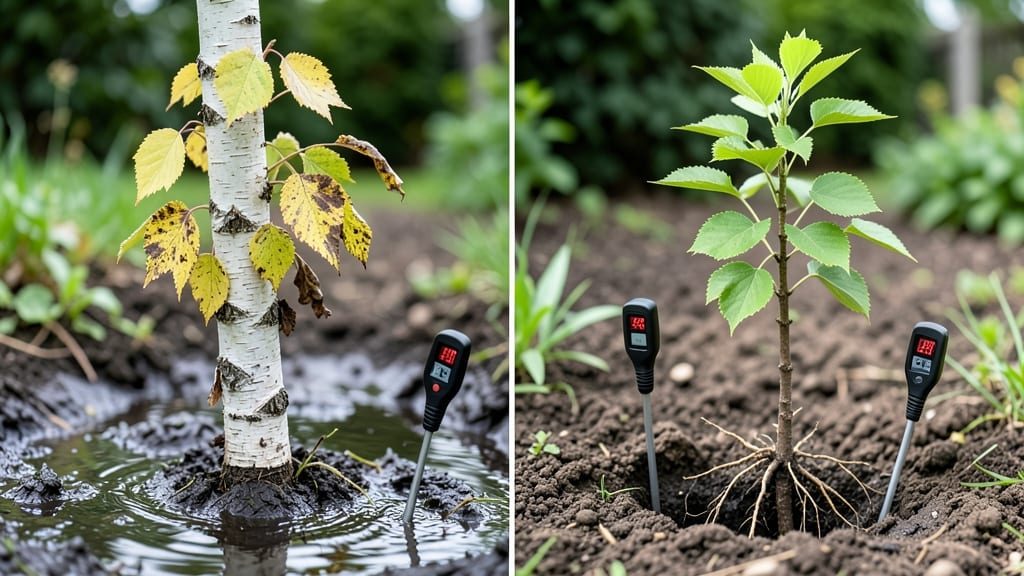
How to tell if your tree is overwatered—its drooping branches might be begging for help, not more water. 🌳 I've watched overwatered trees go from lush to lifeless in weeks, and the warning signs are easier to spot than you think. Yellow leaves, spongy soil, and mushrooms sprouting at the base? That's your tree drowning in its own pot.
Most people assume wilting means thirsty roots, but overwatering actually suffocates them. Check the soil: if it smells like rot or feels damp more than an inch down, you're overdoing it.
Poor drainage and compacted soil make the problem worse, trapping water where roots can't breathe. Even mature trees need breathing room.
Fixing it starts with cutting back on water—sometimes 50% less than you think. Aerate the soil around the trunk to help roots recover, and consider mulch to regulate moisture. Within weeks, you'll see firmer branches and a return of that deep green color.
Prevention is simple: water deeply but only when the top 2 inches of soil are dry.
This works for any tree, from young saplings to century-old oaks. The key is patience—roots heal slower than you'd hope, but with the right care, your tree can bounce back stronger than ever. Trust the soil, not the calendar, for watering decisions.
📚 In This Guide
- What you need
- Instructions
- Tips and common mistakes
- Wrapping up and next steps
What you need
- ● Garden trowel or small shovel – For gently lifting soil or roots to inspect moisture levels (6–12 inches deep).
- ● Gloves (waterproof or gardening gloves) – Protects hands from dirt, sharp roots, or potential mold.
- ● Measuring tape or ruler – Helps assess root depth and soil moisture consistency (12+ inches is ideal for most trees).
- ● Small container or bucket – For collecting soil samples if needed (1–2 cups per test).
- ● Water source (hose or watering can) – Only if you’re testing drainage (use room-temperature water).
- ● Notebook & pen – To jot down observations like leaf color, soil texture, or root conditions.
- ○ Magnifying glass (optional but helpful) – For closely examining roots, pests, or fungal growth.
- ● Moisture meter (soil probe type) – Quickly checks soil moisture levels (digital or analog, $10–$20).
- ● pH test kit – Overwatering can alter soil pH; test if leaves show unusual discoloration.
- ● Pruners or sharp scissors – For trimming yellowed or diseased leaves/branches if needed.
- ● Camera or phone – Snap photos of symptoms (roots, leaves, bark) for later comparison.
- ● Mulch (if adjusting care) – Organic mulch (2–4 inches) to improve drainage if overwatering is confirmed.
How to diagnose overwatered trees: key signs and fixes
Here’s how I spot waterlogged trees—and what to do before it’s too late.
🌱 Step 1: Check the Soil for Soggy Conditions
Stick your finger 2-3 inches deep into the soil near the tree trunk. If it feels cold, clumps together when squeezed, or smells musty, that’s a red flag. Overwatered soil stays saturated for days, blocking oxygen roots need to breathe. I also press my thumb into the dirt—if water oozes out, it’s too wet.
Grab a handful and crumble it. Healthy soil should break apart easily; waterlogged soil will form a dense, mud-like ball. This test is quick but critical—roots suffocate in soggy conditions within 48 hours. If the ground feels like a swamp, your tree’s in trouble.
🌿 Step 2: Inspect Leaves for Yellowing or Wilting
Yellow leaves—especially on younger trees—are a classic overwatering sign. Start at the bottom of the tree and work upward. Leaves may appear mushy or droop even when soil seems dry at the surface. I’ve seen trees with bright yellow foliage while the top inch of soil looked fine—always dig deeper.
Check for leaf scorch (brown edges) or premature leaf drop, too. These happen when roots can’t absorb water properly. If leaves feel soft or squishy when pinched, that’s another clue—waterlogged roots can’t support the tree’s needs. Compare affected leaves to healthy ones on nearby plants for context.
💧 Step 3: Look for Mushy or Discolored Roots
Gently dig around the outer root zone (about 6-12 inches from the trunk). Healthy roots are firm, white to tan, and fibrous. Overwatered roots turn black, brown, or mushy—like cooked spaghetti—and may smell foul. I use a small trowel to lift roots carefully; if they fall apart at the touch, they’re rotting.
If roots look healthy but the soil is saturated, the issue might be poor drainage. Trees in clay soil or containers without drainage holes are especially vulnerable. Never pull roots to test—just observe the outer 1-2 inches. If you see fungal growth (white, fuzzy patches), that’s a secondary infection from excess moisture.
✂️ Step 4: Assess the Tree’s Structural Stability
Overwatered trees often develop weak, brittle branches that snap easily. Shake limbs gently—if they feel hollow or crumble, the tree’s struggling. I also look for peeling bark or cracks near the trunk, signs of stress from waterlogged roots. A healthy tree should have firm bark that resists gentle pressure.
Pay attention to new growth. If the tree isn’t producing leaves in spring or summer, it’s likely underwatered—but if leaves appear stunted or deformed, overwatering is the culprit. Sit back and observe the tree’s overall posture: a drooping canopy with no bounce back after shaking is a warning sign.
☀️ Step 5: Adjust Watering and Improve Drainage
If you’ve spotted multiple signs, stop watering immediately and let the soil dry out. Use a moisture meter (or your finger) to monitor progress—soil should feel dry 3-4 inches deep before watering again. I’ve seen trees recover in 2-3 weeks with proper care, but severe cases may need professional help.
Improve drainage by amending the soil with compost or sand (if clay-heavy) and mulching 2-3 inches deep to regulate moisture. For container-grown trees, ensure pots have drainage holes and elevate them slightly. If the tree is in the ground, consider planting a companion tree with deeper roots to break up compacted soil.
Tips & tricks for diagnosing overwatered trees
Real talk: Overwatering is the silent killer of trees, and the signs are often subtle until it's too late. Here’s how to spot trouble before your tree’s health takes a turn for the worse.
Soil Test Technique: When checking soil moisture in Step 1, press your thumb firmly into the soil—if water oozes out immediately, that’s your warning. I’ve seen gardeners water again just because the top inch felt dry, while the roots below were drowning. The 2-3 inch depth test is critical because surface soil can dry faster, masking the real problem below. Remember, roots need oxygen, and saturated soil blocks it completely within those 48 hours.
Leaf Inspection Pro Tip: In Step 2, focus on the youngest leaves at the bottom of the tree first. These are the most sensitive to overwatering because they’re growing fastest and need the most nutrients. I’ve noticed that while the top leaves might look fine, the bottom ones often show yellowing or wilting first. Also, compare leaves to nearby healthy plants—the contrast helps you spot subtle signs you might otherwise miss.
Root Examination Strategy: For Step 3, use a small trowel to carefully lift just the outer 1-2 inches of roots—you don’t need to dig deep. Healthy roots should spring back slightly when gently pressed. I’ve learned the hard way that pulling roots can damage them further. If you see blackened or mushy roots, that’s a clear sign of rot from excess moisture. And if you smell anything foul, that’s your tree’s distress signal—stop watering immediately.
Recovery Timeline: When implementing Step 5’s recovery plan, be patient but persistent. Most trees show improvement within 2-3 weeks if you stop watering and improve drainage. I’ve revived trees that looked hopeless by simply letting the soil dry out completely before watering again. The key is consistency—don’t give up after a week if you don’t see immediate results.
Pro Tips for Tell If Tree Is Overwatered
- Real talk: Overwatering is the silent killer of trees, and the signs are often subtle until it's too late.
- Soil Test Technique: When checking soil moisture in Step 1, press your thumb firmly into the soil—if water oozes out immediately, that’s your warning.
- Leaf Inspection Pro Tip: In Step 2, focus on the youngest leaves at the bottom of the tree first.
Frequently asked questions
Got questions about overwatering your trees?
You’re not alone—let’s clear up the confusion with these common queries! Whether you’re dealing with soggy soil, unsure timing, or curious about recovery, we’ve got you covered.
How often should I water my tree to avoid overwatering?
Most trees thrive on deep, infrequent watering—about 1-2 times per week (depending on climate and soil type). Check soil moisture 2-3 inches down; if it’s damp, wait. Young trees or sandy soil may need more frequent but lighter watering, while mature trees often prefer less frequent, deeper soaks. Pro tip: Water early in the morning to reduce evaporation and fungal risks.
Why are mushrooms growing at the base of my tree? Is this a sign of overwatering?
Mushrooms (like shelf fungi) often appear when soil stays too wet for long periods—a red flag for overwatering or poor drainage. While not always deadly, they signal root stress or decay. Improve drainage, reduce watering, and mulch properly to help. If the tree is otherwise healthy, it may recover, but severe cases could lead to root rot.
Can an overwatered tree recover, and how long does it take?
Yes! With prompt action, many trees bounce back in weeks to months. Stop watering immediately, improve drainage (add compost or sand), and prune any mushy or discolored roots if visible. Monitor for new growth—healthy leaves and firm bark are good signs. Evergreens may take longer than deciduous trees. Patience and consistency are key!
Does rain count toward my tree’s watering schedule?
1 inch of rain
roughly equals a deep watering session. Track rainfall with a rain gauge or weather app to adjust your schedule. Heavy downpours can overwater if the soil doesn’t drain well—so if it rains, skip your next watering unless the ground stays soggy for days. Bonus: Rainwater is naturally softer and better for trees than tap water!
What’s the difference between overwatering and underwatering?
Overwatering leads to yellow leaves, mushy roots, and fungal growth, while underwatering causes brown, crispy edges on leaves and wilting. Check the soil: Overwatered soil smells sour or moldy; underwatered soil is dry and pulls away from the pot/ground. Both are harmful, but overwatering is sneakier—it often hides beneath the surface!
Quick Troubleshooting Table
| Symptom | Likely Cause | Fix It! |
|---|---|---|
| Yellow leaves + soggy soil | Overwatering | Stop watering, improve drainage, aerate soil |
| Drooping branches + mushy bark | Root rot | Prune affected areas, repot if potted, add perlite |
| Slow growth + pale leaves | Underwatering or poor nutrients | Water deeply, fertilize (if needed), check roots |
Wrapping up and next steps
Spotting the signs of an overwatered tree—like mushy roots, yellowing leaves, or drooping branches—can save your green friend from stress or even worse. Remember, the key is balance: healthy soil should drain well, and watering should match your tree’s needs.
Now that you’re equipped with the know-how, take action! Adjust your watering routine, improve drainage, and give your tree the care it deserves. Your green thumb is ready—go make a difference! 🌱✨