
Trees
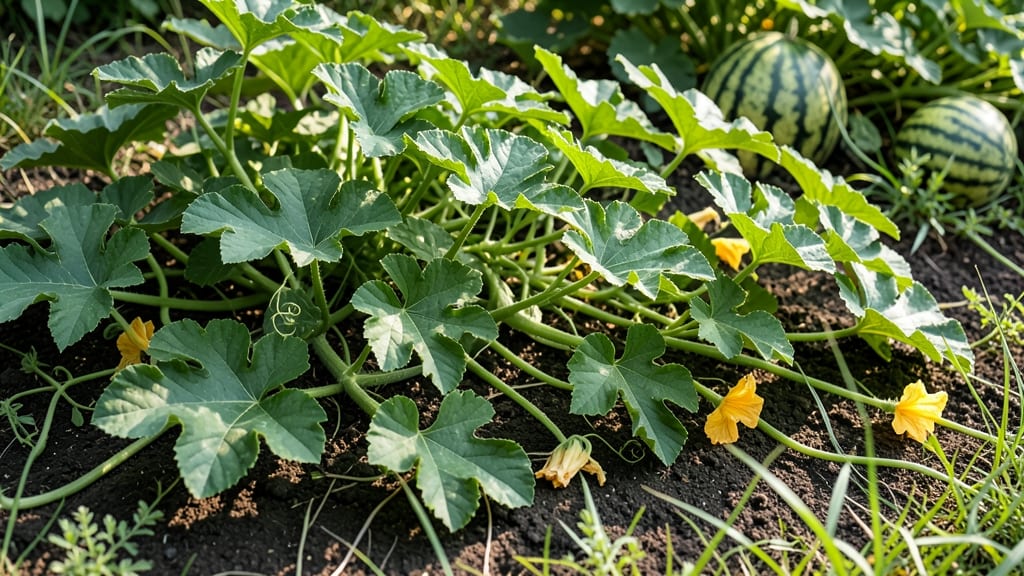
Your watermelon tree leaves are screaming for help—yellowing, spotting, or wilting means it's time to troubleshoot. 🌿 I've spent years fixing blight issues in my own garden, and the key is catching problems early before they spread to your fruit.
Start by checking the undersides of leaves for pests like aphids or signs of powdery mildew. Yellowing often signals overwatering or nutrient deficiencies, while brown spots could mean fungal infections.
Grab a magnifying glass, compare your symptoms to common issues, and we'll get your plants back on track in no time.
📚 In This Guide
- What you need
- Instructions
- Tips and common mistakes
- Wrapping up and next steps
What you need
- ● Pruning shears or sharp bypass pruners – Sterilized (soak in 10% bleach solution or 70% isopropyl alcohol for 30 seconds between cuts). Quantity: 1 pair.
- ● Disposable gloves – Nitrile or rubber (to protect from spores and sap). Quantity: 2-3 pairs.
- ● Fungicide – Copper-based (e.g., Bordeaux mixture) or systemic (e.g., myclobutanil). Quantity: Follow label instructions (typically 1-2 gallons per treatment).
- ● Garden hose with nozzle – For thorough spraying. Quantity: 1.
- ● Plastic bags or paper bags – For collecting infected leaves. Quantity: 5-10 bags.
- ● Shovel or spade – For removing heavily infected soil or roots. Quantity: 1.
- ● Labelled spray bottles – For mixing small batches of fungicide. Quantity: 2-3.
- ○ Magnifying glass or hand lens – For inspecting leaves up close. Quantity: 1 (optional but helpful).
- ● Baking soda solution – 1 tbsp baking soda + 1 tsp dish soap + 1 gallon water (for mild fungal prevention).
- ● Compost or mulch – To improve soil health post-treatment.
- ● Plant food (balanced fertilizer) – 10-10-10 NPK ratio (to boost tree resilience).
- ● Digital camera – To document symptoms for later reference.
How to diagnose and treat watermelon tree leaf blight
Here's how I spot and fix the most common leaf blights—no guesswork, just clear action steps.
🌿 Step 1: Identify the Blight Type by Leaf Patterns
Start by examining the leaves closely. Fungal blight often shows as yellow or brown spots with concentric rings, while bacterial blight creates water-soaked patches that spread rapidly. I always check the undersides of leaves first—some blights start there before spreading.
Look for these key visual cues: powdery white coatings (likely powdery mildew), black spots with yellow halos (anthracnose), or greasy-looking lesions (bacterial). Take a photo for comparison later—you'll want to track progress.
✂️ Step 2: Prune Infected Leaves Immediately
Use clean, sharp pruners to remove any leaves with visible blight. I always sterilize my tools with rubbing alcohol between cuts to prevent spreading spores. Cut ½ inch below the infected area—never tear leaves, as this can release more pathogens into the air.
Dispose of infected leaves in the trash, not your compost. If the blight is severe, bag the leaves and seal them tightly. You'll notice healthier leaves emerging within 3-5 days if you've removed enough infected foliage.
💧 Step 3: Adjust Watering and Airflow
Blight thrives in wet conditions, so I adjust my watering routine immediately. Water the base of the plant deeply but infrequently—aim for 1-2 inches of water per week—and avoid overhead sprinkling. Use a soaker hose or drip irrigation to keep leaves dry.
Improve airflow by spacing plants 3-4 feet apart and pruning any overcrowded branches. If your watermelon tree is in a container, move it to a spot with morning sun and afternoon shade to reduce stress. You'll see new growth respond faster when conditions are right.
🌱 Step 4: Apply Organic Fungicide or Bacterial Spray
For fungal blight, I mix a solution of 1 tablespoon baking soda, 1 teaspoon vegetable oil, and 1 quart of water with a drop of dish soap as a surfactant. Spray the undersides and tops of leaves thoroughly, focusing on new growth areas. Repeat every 7-10 days until the blight clears.
For bacterial blight, a copper-based fungicide (like copper sulfate) works best. Follow the label instructions carefully—overapplying can damage leaves. I always spray in the early morning so the solution has time to dry before evening moisture sets in.
☀️ Step 5: Strengthen the Tree’s Natural Defenses
Boost the plant’s immunity by feeding it a balanced fertilizer with equal parts nitrogen, phosphorus, and potassium. I use a ½-strength dose to avoid burning the roots. Water deeply after fertilizing to help the nutrients absorb.
Add a 2-inch layer of mulch around the base (but not touching the trunk) to regulate soil temperature and retain moisture. This prevents stress, which makes plants more susceptible to blight. Within 2-3 weeks, you should see stronger, healthier leaves emerging.
Tips & tricks for managing watermelon tree leaf blight
Here's what I learned after dealing with blight in my own watermelon trees—tricks that'll save you time and frustration.
Early Detection is Key: In Step 1, when you're identifying blight, grab a magnifying glass for close-ups—some fungal spots are smaller than a pencil eraser. I've caught early-stage powdery mildew by noticing tiny white specks on leaf undersides that I initially dismissed as dust. The sooner you spot it, the easier it is to contain.
Sterilize Tools Between Plants: After Step 2's pruning, don't just wipe your pruners with a rag—sterilize them with rubbing alcohol between each plant. I learned this the hard way when I accidentally transferred bacterial blight from one tree to another. It only takes seconds but prevents cross-contamination completely.
Watering Timing Matters: In Step 3, water your watermelon tree in the early morning—this gives leaves plenty of time to dry before evening humidity sets in. I used to water in the evening for convenience, and my blight problems doubled. The 1-2 inches per week guideline works best when applied before 10 AM.
Natural Spray Alternatives: For Step 4's organic fungicide, you can also use a mixture of 1 tablespoon neem oil, 1 teaspoon mild liquid soap, and 1 quart of water. I've had great success with this—neem oil has natural antifungal properties. Just shake well before each application since the oil and water separate. Apply in the same thorough manner as the baking soda solution.
Pro Tips for Watermelon Tree Leaves
- Here's what I learned after dealing with blight in my own watermelon trees—tricks that'll save you time and frustration.
- Early Detection is Key: In Step 1, when you're identifying blight, grab a magnifying glass for close-ups—some fungal spots are smaller than a pencil eraser.
- Sterilize Tools Between Plants: After Step 2's pruning, don't just wipe your pruners with a rag—sterilize them with rubbing alcohol between each plant.
Frequently asked questions
Got questions about your watermelon tree leaves? You’re not alone! Here are some of the most common concerns—and straightforward answers to help you keep your tree thriving.
What do healthy watermelon tree leaves look like?
Healthy leaves are deep green, glossy, and firm with a slightly waxy texture. Look for no yellowing, spots, or curling. If you spot dark brown patches or moldy growth, that’s a red flag for blight or fungal issues. Compare your leaves to reference images online for an easy check!
How quickly can blight spread on watermelon tree leaves?
Blight can spread rapidly—within days if conditions (like humidity + warm temps) are ideal. Start by removing infected leaves immediately and apply a copper-based fungicide or baking soda spray (1 tsp baking soda + 1 quart water) as a preventive. Prune affected branches at least 6 inches below the damage to stop the spread.
Can I save a watermelon tree with blighted leaves?
Yes! Act fast: prune infected areas, improve air circulation (thin dense foliage), and water at the base (not overhead) to keep leaves dry. For severe cases, try a neem oil spray or organic fungicide. Monitor daily—early intervention is key! If the tree is young, it may recover fully with care.
Why are my watermelon tree leaves turning yellow?
Yellowing leaves often signal overwatering, nutrient deficiency, or blight. Check the soil—it should be moist but not soggy. Test for nitrogen deficiency (common in citrus relatives like watermelon trees) and fertilize with a balanced 10-10-10 mix. If yellowing is paired with brown spots, blight is likely the culprit.
Are there blight-resistant watermelon tree varieties?
While no variety is 100% blight-proof, some citrus relatives (like ‘Meyer’ lemon or ‘Calamondin’ orange) are more resilient. For watermelon trees (a citrus hybrid), focus on proactive care: prune for airflow, avoid overhead watering, and use fungicides preventively. Rotate plants annually to break disease cycles.
What’s the best DIY fungicide for watermelon tree leaves?
Mix 1 tbsp baking soda + 1 tsp dish soap + 1 gallon water in a spray bottle. Shake well and apply to both sides of leaves every 7–10 days during humid seasons. For stubborn blight, add 1 tsp copper fungicide to the mix. Always test a small area first to avoid leaf burn!
Wrapping up and next steps
Caring for your watermelon tree (or Citrus × microcarpa) starts with understanding its leaves—they’re the first sign of health (or trouble!). 🌿 From fungal blights to nutrient deficiencies, recognizing early symptoms means quicker fixes and a thriving tree.
Armed with the right tools and knowledge, you’re already ahead of the game.
Now’s your chance to take action! Start by inspecting your tree’s leaves weekly, and don’t hesitate to prune affected branches or adjust care routines. With consistency, your watermelon tree will reward you with lush, vibrant foliage—and maybe even those sweet, tiny fruits. Happy gardening! 🌱