
Pests and Diseases
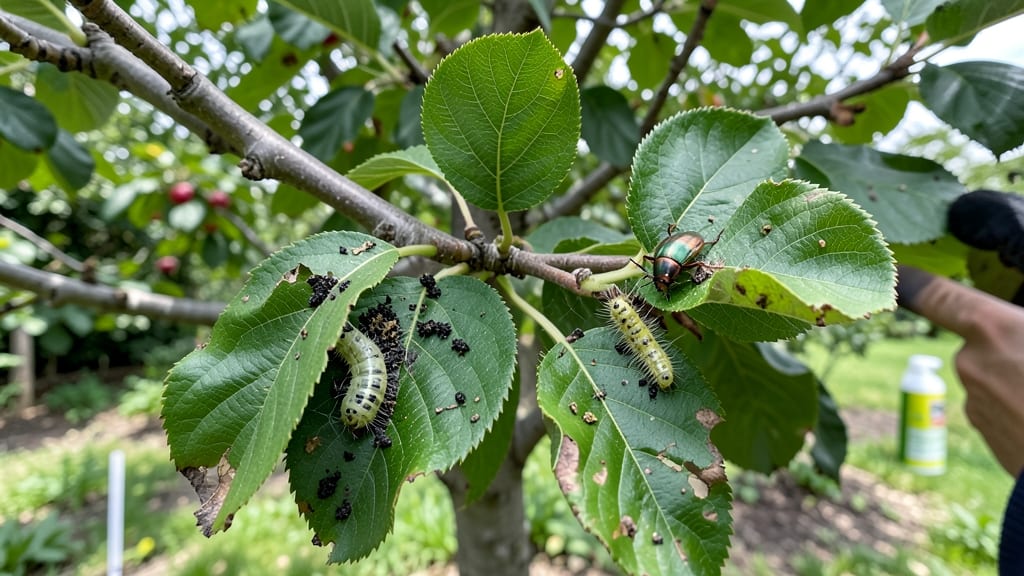
Your cherry tree’s leaves are disappearing faster than you can say "spring cleanup," and what is eating my cherry tree leaves is likely one of the sneaky culprits I’ve tracked down. 🌿 Some chew holes, others skeletonize foliage, and a few even leave sticky residue.
I’ve identified the top 10 pests targeting cherry trees—from voracious caterpillars to tiny mites—and the telltale signs that reveal who’s dining on your tree. Most damage starts in early spring when pests emerge hungry after winter.
A quick inspection of chewed edges, frass (insect droppings), or webbing between branches will point you to the offender. The key? Acting fast—once pests move from leaves to fruit, the battle gets harder. By the end of this guide, you’ll spot the invaders before they strip your tree bare.
We’ll cover organic sprays, physical barriers, and seasonal prevention that keeps your cherry tree lush and productive. No more guessing—just actionable fixes. Confession: I once lost a whole harvest to unseen pests. Now I check my trees weekly, and my cherries thrive.
Let’s turn your leaf-eating mystery into a solved problem.
Root Causes Behind Leaf Loss
When your cherry tree’s leaves start disappearing, it’s rarely a random act—it’s a deliberate, survival-driven behavior by pests or pathogens. Understanding the why behind the damage helps you target solutions with precision.
Below, we break down the key triggers, from biological instincts to environmental stressors, and how they turn your tree into an all-you-can-eat buffet.
Insects don’t just nibble—they’re equipped with specialized mouthparts (like mandibles or stylets) designed to strip, chew, or suck leaves with surgical efficiency. Their leaf-eating habits stem from three core needs:
1. Feeding Instincts: A Survival Strategy
Most leaf-eating insects are herbivores by design, meaning their entire life cycle depends on plant material. For example:
- Caterpillars (e.g., tent caterpillars, gypsy moths): Their mandibles are built for shredding leaves to fuel rapid growth. A single caterpillar can devour 1 square foot of foliage per week during peak feeding stages. 🐛🍃
- Japanese beetles: Their scissor-like mandibles allow them to skeletonize leaves (eating tissue between veins) while leaving the structure intact—a telltale sign of their work.
- Aphids and mites: These tiny pests use stylets (hollow mouthparts) to pierce cells and suck sap, causing leaves to curl, yellow, or drop prematurely. Their high reproduction rates (hundreds of eggs per female!) create a population explosion that overwhelms trees quickly. 🕷️💦
Why now? Many insects time their feeding to coincide with new leaf growth (spring/early summer), when leaves are tender and nutrient-rich. Others, like spotted lanternfly nymphs, excrete honeydew, which attracts mold—further stressing the tree.
2. Environmental Triggers: When Pests Strike
Leaf-eating isn’t random—it’s often triggered by environmental conditions that make trees vulnerable:
| Condition | How It Attracts Pests | Example Pests |
|---|---|---|
| Stress from drought or overwatering | Weakened trees produce less defensive compounds (like tannins), making them easier targets for chewers. | Japanese beetles, leafhoppers |
| Warm, humid climates | Ideal for rapid insect reproduction. Aphids can multiply 13-fold in 3 weeks in these conditions. | Aphids, sawfly larvae |
| Lack of natural predators | When birds (e.g., cedar waxwings) or parasitic wasps are absent, pest populations spiral out of control. | Tent caterpillars, gypsy moths |
Pro tip: 🌡️ Monitor leaf temperature—pests like spotted lanternflies prefer leaves warmed by sunlight, often striking the south-facing side first.
While insects chew visibly, pathogens attack leaves from the inside out, causing them to yellow, spot, or drop without obvious holes. Their leaf-damaging behavior stems from:
1. Nutrient Theft: How Fungi Hijack Leaves
Fungi like powdery mildew or anthracnose don’t eat leaves—they infect plant cells to extract nutrients. Here’s how it works:
- Spores land on leaves → Germinate when conditions are humid (70%+ moisture) and temperatures are 60–80°F.
- Hyphae (fungal threads) penetrate leaf tissue, disrupting photosynthesis by blocking light and clogging stomata (pores).
- Leaves turn brown, crispy, or drop as the fungus consumes chlorophyll and weakens the tree’s structure.
Why cherry trees? Their thin, delicate leaves provide easy entry points, and wet foliage (from rain or overhead watering) creates the perfect fungal breeding ground. 🌧️🍄
2. Bacterial Leaf Spot: The Sap-Sucking Saboteur
Xanthomonas and Pseudomonas bacteria cause leaf spots by:
- Injecting enzymes that digest leaf cell walls, creating water-soaked lesions.
- Clogging vascular tissue, cutting off water/nutrient flow → premature leaf drop.
- Thriving in wounds (e.g., from hail or pruning cuts), where they enter the tree’s system.
Key trigger: Rain splashing bacteria from infected leaves or soil onto healthy ones. Overhead irrigation spreads the problem like wildfire. ☔🔥
Not all leaf loss comes from pests or pathogens—sometimes, your tree’s own biology is the culprit. These stressors don’t "eat" leaves but force the tree to shed them as a survival tactic:
1. Nutrient Deficiencies: The Slow Starvation
Cherry trees need balanced nutrients to produce resilient leaves. When deprived:
- Low nitrogen (N) → Yellowing between veins (chlorosis) → Leaves fall early to conserve energy.
- Low potassium (K) → Brown leaf edges (scorch) → Weakens cell structure, making leaves prone to tearing in wind.
- Low magnesium (Mg) → Interveinal yellowing (like nitrogen deficiency but starting at leaf tips) → Photosynthesis halts.
Why? Poor soil (e.g., clay-heavy or sandy) locks out nutrients, or competition from weeds steals resources. 🌱🚫
2. Physical Damage: Wind, Hail, and Mechanical Injury
Leaves aren’t indestructible—physical trauma forces trees to abort damaged foliage to prioritize growth:
- Wind: Tears leaves along weak points (midribs or veins), causing ragged edges.
- Hail: Crushes cells, leading to
How to Fix Your Cherry Tree
Now that you’ve identified what’s munching on your cherry tree’s leaves, it’s time to take action! Below are practical, step-by-step solutions tailored to each common culprit, along with prevention tips to keep your tree thriving.
Whether you’re dealing with hungry insects, fungal invaders, or environmental stress, these fixes will help you restore your tree’s health—and its delicious fruit!
---
If caterpillars, aphids, Japanese beetles, or spider mites are the culprits, act fast before they strip your tree bare.
#### 🔥 Caterpillars (Tent Caterpillars, Gypsy Moths, or Leafrollers) 1. 🍳 Handpick Larvae – Early morning is best when they’re sluggish. Drop them into soapy water (1 tbsp dish soap per gallon) to kill them instantly.
2. 👨🍳 Apply Bacillus thuringiensis (Bt) – A natural, organic pesticide (like Dipel or Thuricide), safe for bees and pets. Spray every 7–10 days until infestation ends.
3. 🥘 Use Neem Oil – Mix 2 tbsp neem oil + 1 tsp mild soap per gallon of water, spray directly on leaves (avoid blooming fruit trees). Reapply after rain. 4. ⏰ Prune & Destroy – Cut out heavily infested branches and burn or bag them (don’t compost!).
💡 Prevention Tip: Wrap tree trunks with sticky bands in early spring to trap egg-laying adult moths.
---
#### 🐞 Aphids & Spider Mites 1. 🔥 Blast Off with Water – Use a strong hose spray to knock them off leaves (best in early morning). 2. 🍳 Introduce Beneficial Insects – Release ladybugs, lacewings, or predatory mites (available at garden centers).
3. 🥘 Spray Horticultural Oil or Insecticidal Soap – Mix 1 tbsp soap per quart of water, spray undersides of leaves where pests hide. 4. 🌡️ Monitor & Repeat – Check weekly, especially after rain. Mites thrive in dry heat, so keep foliage moist.
💡 Prevention Tip: Encourage diverse planting—aphids hate marigolds, garlic, and chives nearby!
---
#### 🐞 Japanese Beetles 1. 🔪 Handpick & Drown – Drop them into soapy water (they’re easy to spot—green with copper wings).
2. 🍳 Use Milky Spore or Beetle Traps – Milky spore (Bacillus popilliae) is a long-term soil treatment (takes 2–3 years to work). Traps should be placed far from your tree (they attract more beetles!).
3. 🥘 Apply Neem Oil or Kaolin Clay – Spray neem oil or Surround WP (kaolin clay) to create a slippery, unappetizing barrier.
💡 Prevention Tip: Plant trap crops like roses or grapes away from your cherry tree to lure beetles away.
---
If powdery mildew, black knot, or bacterial leaf spot are to blame, cleanliness and fungicides are key.
#### 🍄 Powdery Mildew 1. 🔥 Prune for Airflow – Remove crowded branches to improve circulation (fungi love humidity). 2. 🍳 Spray Baking Soda Mix – Combine 1 tbsp baking soda + 1 tsp soap + 1 gallon water.
Spray every 7–10 days. 3. 🥘 Use Sulfur or Neem Oil – Apply fungicidal sulfur or neem oil (follow label rates).
💡 Prevention Tip: Water at the base (not overhead) and avoid late-season nitrogen fertilizers (they encourage new growth vulnerable to mildew).
---
#### 🔴 Black Knot (Fungal Disease) 1. ⏰ Prune & Burn Infected Branches – Cut off knots when tree is dormant (late winter/early spring). Burn or bag infected wood (don’t compost!).
2. 🍳 Apply Fungicide – Spray copper fungicide or myclobutanil (like Immunox) before buds swell in spring, then again after harvest. 3. 🌡️ Sterilize Tools – Wipe pruners with rubbing alcohol between cuts to prevent spread.
💡 Prevention Tip: Plant resistant varieties like Montmorency or Stella cherries if black knot is recurrent.
---
If drought, sunburn, or nutrient deficiency are the issue, adjust watering and feeding habits.
#### 💧 Drought Stress or Overwatering 1. 🔥 Check Soil Moisture – Stick your finger 2 inches deep—if dry, water deeply 1–2 times per week. If soggy, reduce watering.
2. 🍳 Mulch Properly – Apply 2–3 inches of organic mulch (wood chips, straw) away from the trunk to retain moisture. 3. 🥘 Adjust Fertilizer – Too much nitrogen causes soft, tender leaves (aphid magnets). Switch to a balanced 10-10-10 or low-nitrogen organic fertilizer.
💡 Prevention Tip: Mulch in a doughnut shape (not piled against the trunk) to prevent rot.
---
#### ☀️ Sunburn or Wind Scorch 1. 🔥 Provide Temporary Shade – Use shade cloth (30–50%) if planting new trees in hot climates. 2. 🍳 Water Deeply in Heatwaves – Morning watering (before 10 AM) reduces evaporation.
3. 🥘 Avoid Late Pruning – Prune in late winter/early spring to prevent summer stress from new growth.
💡 Prevention Tip: Choose wind-resistant varieties like Rainier or Lapins cherries for exposed areas.
---
To keep your cherry tree leafy and healthy, follow these proactive steps: ✅ Inspect weekly – Catch pests/diseases early (especially undersides of leaves). ✅ Encourage beneficial insects – Plant dill, fennel, or yarrow to attract predators. ✅ Avoid over-fertilizing – Too much nitrogen = soft leaves = pest buffet. ✅ Prune in dormant season – Late winter/early spring reduces stress and disease risk. ✅ Rotate organic sprays – Mix neem oil, insecticidal soap, and horticultural oil to prevent resistance.
Your cherry tree’s recovery starts today! With these targeted fixes, you’ll see new, healthy leaves in weeks—and maybe even a bountiful harvest next season. 🍒🌿
Frequently asked questions
1Why do cherry tree leaves get eaten more in spring than other seasons?
Spring is prime time for leaf-eaters because that's when your cherry tree produces new, tender growth packed with nutrients. Pests like Japanese beetles, aphids, and caterpillars time their feeding to coincide with this vulnerable period. The warmer temperatures and increased moisture also trigger rapid insect reproduction, creating population explosions that overwhelm trees.
2Can I use the same treatments for all leaf-eating pests on cherry trees?
No, treatments vary by pest type. Chemical sprays that work for chewing insects (like Japanese beetles) won't help with sap-suckers (like aphids or mites). Always identify the specific culprit first—look for clues like webbing (spider mites), skeletonized leaves (Japanese beetles), or sticky residue (aphids). Organic options like neem oil work for many pests, but fungal diseases require different approaches (copper fungicides).
3How do I know if my cherry tree's leaf loss is from pests or disease?
Check for these key differences: Pests leave visible holes, chewed edges, or frass (insect droppings). Diseases cause spots, discoloration, or leaf curling without obvious bite marks. Fungal issues often appear as powdery white coatings (mildew) or black, tar-like growths (black knot). Bacterial spots usually have water-soaked centers that turn brown.
4Will treating my cherry tree's leaves affect fruit production?
Most treatments are safe if applied correctly, but timing matters. Avoid strong chemical sprays during blooming or fruit set (when flowers become small fruits). Organic options like neem oil and insecticidal soap are generally safe when used according to package instructions. Always harvest only after the recommended waiting period (usually 7-14 days) for any pesticide application.
5How often should I inspect my cherry tree for leaf-eating pests?
Check your tree every 5-7 days during peak growing seasons (spring through early summer). Focus on new growth and leaf undersides where pests hide. Early detection is key—many pests can strip a tree bare in just 2-3 weeks if left unchecked. Morning inspections work best when pests are still sluggish from the night.