
Trees
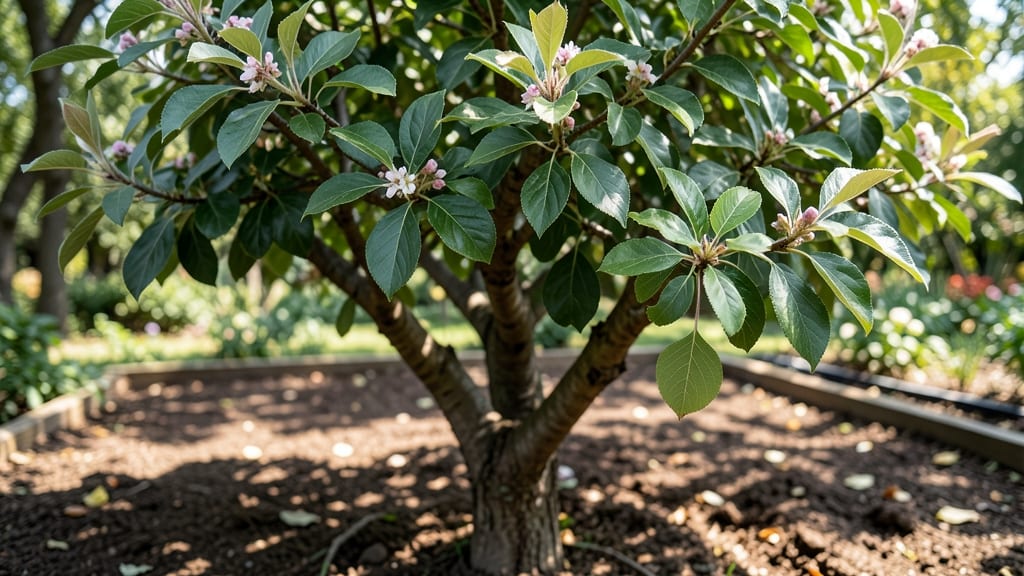
Identifying plum tree leaves comes down to three key details: their oval shape, smooth edges, and prominent veins that fan out like delicate lace. 🌿 I’ve spent years comparing plum foliage to cherry and peach leaves, and the differences are subtle but unmistakable once you know what to look for—especially the way plum leaves often have a slight silvery underside that sets them apart.
The size alone tells a story: most plum leaves land between 2 to 4 inches long, with a pointed tip that’s softer than cherry leaves. European plums tend to have shorter, wider leaves, while Japanese varieties often show a more elongated shape with a subtle wavy edge.
Keep an eye out for these variations—they’re your clues. Why does this matter? Knowing your plum’s leaf shape helps you prune correctly, spot early signs of plum pox virus (which distorts leaves), or even choose the right fertilizer for your tree.
A quick leaf check can save you from misdiagnosing pests or diseases that target different trees. Confusion with cherry or peach leaves is common, but plums usually have fewer serrations and a thicker texture.
Save a few leaves in a notebook or take a photo—comparing them side by side makes the differences crystal clear. Here’s how to tell them apart for good.
Root Causes Of Leaf Changes
Understanding why plum tree leaves may appear abnormal—whether curled, discolored, spotted, or deformed—often boils down to a mix of environmental stressors, pests, diseases, and nutritional deficiencies. These issues don’t happen in isolation; they’re usually triggered by specific conditions that disrupt the tree’s natural growth processes.
Let’s break down the most common culprits and the science behind them.
Plum trees are resilient, but sudden shifts in temperature—whether scorching heat or freezing cold—can wreak havoc on their leaves. Heat stress occurs when temperatures exceed 90°F (32°C), causing leaves to wilt, scorch, or develop brown edges.
This happens because high heat accelerates transpiration (water loss through leaves) faster than the roots can replenish moisture, leading to cellular dehydration and tissue damage.
- Cold damage is equally problematic. When temperatures drop below 20°F (-6°C), plum tree leaves may develop blackened or brittle edges, a condition called winter burn.
The cold disrupts cell membrane integrity, causing ice crystals to form and rupture plant tissues. - Windburn (from strong, dry winds) can strip leaves of their protective waxy coating, leaving them dull, dry, or curled as they lose moisture rapidly.
💡 Pro Tip: Mulch around the base of the tree to regulate soil temperature and reduce stress. Water deeply in the late afternoon to minimize evaporation during heatwaves.
Pests don’t just eat leaves—they inject toxins, suck sap, or lay eggs that trigger physiological responses in the tree. Here’s how they alter plum tree foliage:
| Pest | Damage Type | Why It Happens |
|---|---|---|
| Japanese Beetles 🐞 | Skeletons (chewed veins) | Larvae feed on roots, weakening the tree; adults skeletonize leaves by consuming soft tissue while sparing veins. |
| Aphids 🐜 | Curled, sticky leaves | They inject salivary enzymes that disrupt plant hormones, causing leaves to curl and exude honeydew (a sugar-rich waste). |
| Spider Mites 🕷️ | Yellow stippling, webbing | These tiny arachnids pierce cells to suck sap, leaving behind chlorotic (white/yellow) spots as chlorophyll breaks down. |
| Plum Curculio 🪰 | Pitted, deformed leaves/fruit | The larvae feed on developing buds and fruit, but adults chew notches into leaves, triggering abnormal growth near wounds. |
🔥 Warning: Overwatering can attract fungal pests like scale insects, which thrive in damp conditions and secrete a protective waxy coating, making them hard to spot until leaves yellow and drop prematurely.
Plum trees are susceptible to pathogenic microbes that thrive in warm, humid conditions. These infections often start as leaf spots but can escalate to blight, cankers, or systemic decline if untreated.
- Brown Rot (Monilinia spp.) 🍒 - Symptoms: Circular, brown-to-tan spots with a reddish margin; infected leaves may drop prematurely. - Why it happens: The fungus infects through wounds (e.g., from hail or pruning) and produces spores that spread via wind or rain.
High humidity (>75%) and temperatures between 60–85°F (15–29°C) create ideal conditions.
- Powdery Mildew (Podosphaera spp.) ❄️ - Symptoms: White, powdery coating on leaves; leaves may yellow and curl. - Why it happens: This obligate parasite (it can’t survive without a host) thrives in shady, poorly ventilated areas and spreads via windborne spores.
It’s most active in cool (60–80°F / 15–27°C) and humid conditions.
- Bacterial Leaf Spot (Xanthomonas spp.) - Symptoms: Water-soaked spots that turn dark brown/black with yellow halos; leaves may develop shot holes. - Why it happens: Bacteria enter through stomata (leaf pores) or injuries, especially after rain or overhead watering.
They multiply rapidly in warm (75–85°F / 24–29°C), wet conditions.
✨ Prevention Tip: Space trees properly for airflow, avoid overhead irrigation, and prune for sunlight exposure to reduce fungal spores’ survival rates.
Plum trees require a balanced diet of macronutrients (N-P-K) and micronutrients to produce healthy leaves. Deficiencies manifest as distinct visual symptoms tied to the tree’s inability to synthesize essential compounds.
| Deficiency | Leaf Symptoms | Why It Happens |
|---|---|---|
| Nitrogen (N) 🟢 | Pale green/yellow leaves (older first) | Nitrogen is critical for chlorophyll production. A lack stunts protein synthesis, causing leaves to turn yellow (chlorosis) while veins remain green. |
| Iron (Fe) 🔴 | Interveinal chlorosis (yellow between veins) | Iron is immobile in plants, so new leaves show symptoms first. Low pH (<6.0) or calcium buildup binds iron, making it unavailable. |
| Magnesium (Mg) 🟡 | Yellowing between veins (older leaves) | Magnesium is central to chlorophyll molecules. Deficiency causes necrosis (dead tissue) along leaf edges as the tree can’t recycle it efficiently. |
| Potassium (K) 💀 | Brown scorch on leaf edges/tips | Potassium regulates osmotic balance and enzyme activity. A deficiency weakens cell membranes, leading to water stress and necrotic spots. |
🌡️ Soil Test Alert: Plum trees prefer slightly acidic to neutral soil (pH 6.0–7.0). If your soil is too alkaline (>7.5), iron and manganese become locked out, causing yellowing even if the soil has enough nutrients.
Even well-intentioned gardening can stress plum trees. Over-pruning, improper watering, or soil compaction disrupt the tree’s ability to photosynthesize and transport nutrients.
- Over-Pruning ➖
- Symptoms: Sparse foliage, weak growth, small leaves.
- Why it happens: Pruning removes leaf surface area, reducing the tree’s photosynthetic capacity. If done in late summer/fall, it stimulates new growth that’s vulnerable to winter damage.
- Under/Overwatering 💦
- Underwatering: Leaves curl upward, edges brown and crispy.
- Overwatering: Yellowing leaves, root rot, fungal infections.
- Why it happens: Plum trees need 1–1.5 inches of water weekly (more in heat). Poor drainage or frequent shallow watering forces roots to compete for oxygen, leading to anaerobic stress.
- Soil Compaction 🪨
- Symptoms: Stunted growth, leaves turn purple (phosphorus deficiency), roots suffocate.
- Why it happens: Compacted soil restricts root expansion, limiting the tree’s access to water and nutrients. Heavy foot traffic or machinery worsens it.
🎯 Fix It: Aerate the soil annually, mulch to retain moisture, and water deeply but infrequently to encourage root growth.
Fixing Common Plum Tree Leaf Issues
Plum trees are stunning, but their leaves can sometimes signal trouble—whether from pests, disease, or environmental stress. The good news? Most problems have simple, effective fixes. Below, we’ll match common symptoms to targeted solutions, plus prevention tips to keep your tree thriving.
Cause: Overwatering, poor drainage, or fungal diseases like powdery mildew or leaf spot often cause yellowing or dark spots. Fix It:
- 🔥 Trim infected branches (sterilize pruners with rubbing alcohol between cuts).
- 🍳 Apply neem oil or copper fungicide (follow label instructions) to treat fungal issues.
- 👨🍳 Improve drainage by amending soil with compost or sand, and avoid waterlogging.
- 🥘 Boost nutrients with a balanced fertilizer (10-10-10) in early spring.
Prevention Tips: ✨ Water at the base (avoid wetting leaves to prevent fungal spread). ✨ Space trees properly for airflow (3–5 feet between trunks). ✨ Clean up fallen leaves to reduce disease spores.
Cause: Insects like plum curculio weevils or tent caterpillars munch on leaves, creating ragged holes or skeletonized foliage. Fix It:
- 🔪 Handpick large caterpillars (drop them in soapy water).
- 🍳 Use insecticidal soap or Bacillus thuringiensis (Bt) for organic control.
- 🥘 Set up pheromone traps for weevils in early spring (before they lay eggs).
- 🌡️ Cover young trees with fine netting if pests are severe.
Prevention Tips: 💡 Prune in late winter to remove overwintering eggs. 🎯 Encourage natural predators like birds and ladybugs with a diverse garden. 🔥 Avoid broad-spectrum pesticides, which can harm beneficial insects.
Cause: Extreme heat, plum pox virus (sharka), or aphid infestations can cause leaves to curl or wilt. Fix It:
- 💦 Provide afternoon shade (use shade cloth if temps exceed 90°F).
- 🍳 Spray leaves with water to cool them down during heatwaves.
- 👨🍳 Test for viruses (curls + brown rings = likely sharka; consult a local extension office).
- 🥘 Remove and destroy infected plants (sharka has no cure and spreads easily).
Prevention Tips: ✨ Mulch heavily to retain soil moisture. ✨ Inspect new plants for viral symptoms before purchasing. ✨ Monitor aphids (they transmit viruses)—spray with soapy water if spotted.
Cause: Late frosts, salt buildup (from winter de-icing), or over-fertilizing can scorch leaves. Fix It:
- 🔥 Water deeply to flush out excess salts (especially in urban areas).
- 🍳 Reduce fertilizer to half-strength in late summer/fall.
- 👨🍳 Protect young trees with burlap wraps in early spring if frost is forecasted.
- 🥘 Prune dead branches to improve airflow and reduce stress.
Prevention Tips: 💡 Use winter mulch (straw or leaves) to insulate roots. 🎯 Test soil before fertilizing—plums often thrive in slightly acidic soil (pH 6.0–6.5). 🔥 Avoid heavy-handed pruning in late summer (stresses trees before winter).
Keep your plum tree’s foliage vibrant with these year-round habits:
- 📊 Spring: Prune for airflow, apply fungicide preventatively, and fertilize.
- 💪 Summer: Water deeply 1–2x/week (adjust for heat), monitor pests, and mulch.
- 🍎 Fall: Clean up debris, test soil, and reduce watering as temps drop.
- ❄️ Winter: Protect from salt/sand, and inspect for dormant pests.
Pro Tip: When in doubt, compare leaves to a healthy reference (take photos of unaffected branches). Early action is key—most issues are easier to fix before they spread! 🌿
Frequently asked questions
How do I tell the difference between plum tree leaves and cherry tree leaves?
Plum leaves are typically oval-shaped with smooth edges and a pointed tip, while cherry leaves have serrated (toothed) edges. Plum leaves also often have a silvery underside and are slightly thicker than cherry leaves, which tend to be more delicate and elongated. Compare them side by side—plum leaves rarely exceed 4 inches long, whereas cherry leaves can reach 6 inches.
Can I identify a plum tree just by looking at its leaves in winter?
No, you can’t reliably identify a plum tree by leaves alone in winter since they’re dormant. Look for the bud shape—plum buds are oval and sticky—and the bark texture, which is often smooth with horizontal lenticels (pores). If you’re unsure, check for old fruit mummies (dried fruit) still clinging to branches, a common clue for plum trees.
Why do some plum tree leaves have wavy edges while others don’t?
Wavy-edged plum leaves are common in Japanese plum varieties like Prunus salicina, while European plums (Prunus domestica) usually have smoother edges. The waviness is a natural variation—think of it as the tree’s way of adapting to its environment. If your tree has wavy leaves but no other issues, it’s likely just a cultivar trait, not a problem.
What does it mean if my plum tree leaves are turning yellow between the veins?
Yellowing between veins (called interveinal chlorosis) usually signals an iron deficiency, often caused by alkaline soil (pH >7.5). Plum trees prefer slightly acidic soil (pH 6.0–7.0). Test your soil and amend with chelated iron or sulfur if needed. Avoid over-fertilizing with lime, which worsens the issue.
Are there any toxic look-alikes I should watch out for?
Yes! Black cherry (Prunus serotina) leaves can resemble plum leaves but have more pronounced serrations and a bitter almond scent when crushed. Never confuse them—black cherry leaves and pits are toxic to humans and pets. Always check for fruit presence (plums are sweet; cherries are bitter) and leaf texture (plum leaves are thicker).