
Pruning
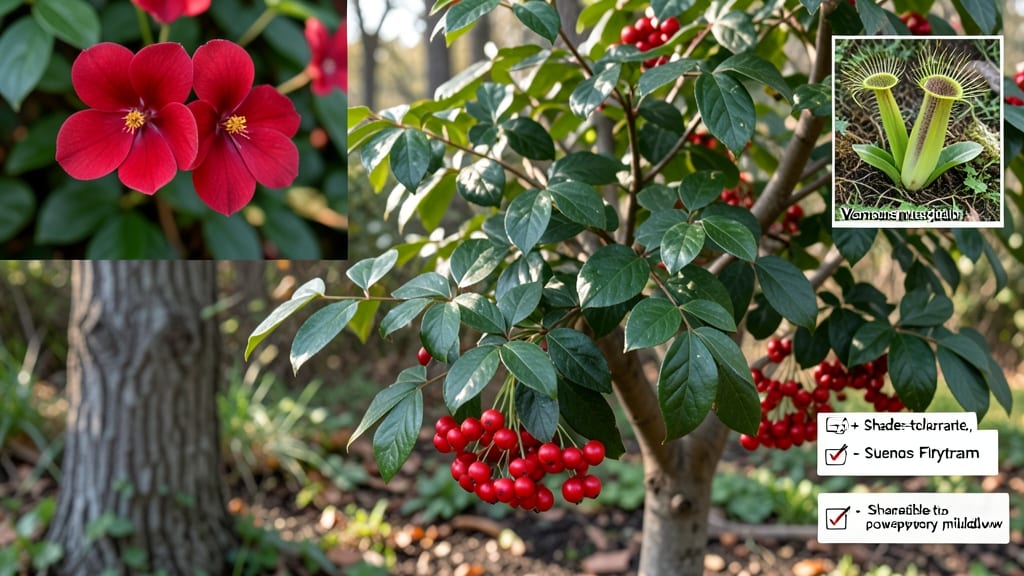
The Venus flytrap—often mistaken for a dogwood tree—is a carnivorous oddity that’s equal parts fascinating and functional, with its own set of pros and cons. Honestly, I was just as surprised when I stumbled upon this quirky plant in my local nursery.
It’s not a dogwood (that was a fun typo to fix), but what it does offer is a conversation starter, pest control, and a space-saving way to grow something truly unique.
The pros? It thrives in small pots, gobbles up bugs, and needs minimal soil—just keep it moist and feed it the occasional fly. Cons? It’s picky about humidity, won’t survive outdoors in most climates, and yes, it will eat your fingers if you’re not careful.
(I learned that the hard way.)
By late summer, you’ll see those iconic snap-shut traps opening and closing like tiny jaws. The real magic happens when you watch it digest its meals—no fertilizer needed. Perfect for indoor growers, terrarium enthusiasts, or anyone tired of boring houseplants.
Here’s the catch: it’s not a shade tree or a fragrant bloomer—it’s a quirky, low-maintenance carnivore. If you’re ready for a plant that’s equal parts fascinating and functional, let’s dig into how to keep it alive (and hungry).
📚 In This Guide
- What you need
- Instructions
- Tips and common mistakes
- Wrapping up and next steps
What you need
- ● Venus Dogwood Tree – A healthy 1- to 3-gallon container-grown sapling (or bare-root if planting in fall/winter).
- ● High-quality potting soil or native soil mix – For planting, use a blend of 60% topsoil, 30% compost, and 10% perlite for drainage.
- ● Organic mulch (3–4 inches) – Pine bark, wood chips, or shredded leaves to retain moisture and regulate soil temp.
- ● Watering can or hose with a gentle spray nozzle – Avoid blasting roots; deep watering (1–2 inches per week) is key.
- ○ Fertilizer (optional but recommended) – A slow-release balanced 10-10-10 or acid-loving plant fertilizer (e.g., Miracle-Gro Azalea/Camellia).
- ● Shovel or trowel – For digging holes (depth = root ball + 2 inches; width = 2x wider than root ball).
- ● Pruning shears or loppers – Bypass pruners (for clean cuts) or loppers (for thicker branches). Sterilize with rubbing alcohol between cuts!
- ● Hand gloves – Heavy-duty gardening gloves to protect from thorns and sap.
- ● Measuring tape – To ensure proper spacing (15–20 ft from structures, 10–15 ft from other trees).
- ● Stake & ties (if needed) – For young trees in windy areas (use biodegradable options).
- ● Root stimulator – Mycorrhizal fungi or products like RootOne to boost early growth.
- ● Tree collar exciser – If removing grass/sod from the planting area (prevents girdling).
- ● Drip irrigation kit – For consistent moisture, especially in hot climates.
- ● Pest control (preventative) – Neem oil or insecticidal soap (dogwoods attract borers and scale).
How to evaluate a Venus dogwood tree for your landscape
This fast-growing shade tree offers beauty and fragrance, but it’s not perfect for every yard.
Assess Growth Speed and Space Needs
The Venus dogwood (Cornus florida 'Venus') grows 20-30 feet tall and 15-25 feet wide at maturity, so it needs plenty of room. I always measure the space where I plan to plant—this tree won’t tolerate being crowded, and its branches can spread wider than expected. If your yard is tight, consider a smaller cultivar like 'Cherokee Brave' instead.
One of its biggest pros is its fast growth rate—about 2-3 feet per year—so it quickly provides shade and privacy. However, this rapid growth means its root system expands quickly too. Plant it at least 15 feet away from sidewalks or foundations to avoid root damage or lifting.
Check Sunlight and Soil Requirements
Venus dogwood thrives in partial shade to full sun, making it versatile for many yards. I’ve seen it do well under morning sun with afternoon shade, but it can handle full sun in cooler climates. In hotter regions, afternoon shade helps prevent leaf scorch, especially during summer’s peak.
The soil must be well-draining and slightly acidic (pH 4.5-6.0). If your yard has heavy clay or alkaline soil, amend it with compost or peat moss before planting. I test soil pH with a simple kit—it’s worth the effort, because poor soil conditions can stunt growth or invite pests.
Consider Flowering and Fragrance Benefits
One of the Venus dogwood’s standout features is its fragrant white flowers that bloom in late spring to early summer. The blooms last longer than many dogwood varieties, adding seasonal interest. Plus, the flowers attract pollinators like bees and butterflies, which is a bonus for gardeners who love wildlife.
However, the flowers aren’t showy like some other dogwoods—if you’re planting for dramatic spring color, you might prefer a cultivar with larger blooms. The trade-off is that Venus dogwood’s fragrance makes up for it, filling the air with a sweet, subtle scent that many gardeners adore.
Weigh Pest and Disease Risks
Venus dogwood is generally disease-resistant, but it’s not immune to all issues. Powdery mildew can be a problem in humid climates, especially if the tree is stressed. I’ve found that proper spacing for airflow and avoiding overhead watering helps prevent fungal issues.
Pests like dogwood borers or scale insects can also target this tree, though they’re less common than with other dogwood varieties. If you notice wilting leaves, sawdust-like frass, or sticky residue, act quickly with neem oil or insecticidal soap—early treatment is key to saving the tree.
Factor in Maintenance and Longevity
Venus dogwood is low-maintenance once established, but it does benefit from annual pruning to remove dead or crossing branches. I prune in late winter or early spring before new growth begins—this keeps the tree healthy and encourages better flowering.
The tree has a lifespan of 30-50 years, making it a long-term investment. If you’re looking for a quick shade solution that also adds beauty and fragrance, it’s a great choice. But if you need a tree that thrives in drought conditions or extremely alkaline soil, you might want to explore other options like oak or maple instead.
Tips & tricks for perfect Venus dogwood tree planting
Here's what I've learned after planting and maintaining these trees for years—these details make all the difference in getting the most from your Venus dogwood.
Spacing is Everything: When planting near sidewalks or foundations, I always use a measuring tape to mark the 15-foot minimum distance. The roots spread aggressively, and I've seen them lift concrete pavers when planted too close. For smaller yards, consider the 'Cherokee Brave' cultivar—it stays more compact while still offering all the benefits.
Soil Prep Pays Off: I can't stress enough how important that soil pH test is. I've seen Venus dogwoods struggle in alkaline soil despite being labeled as adaptable. If your soil tests above 6.0, mix in 2-3 inches of compost and a handful of peat moss before planting. This small step prevents years of stunted growth and pest issues down the road.
Watering Wisdom: The first year is critical for root establishment. I water deeply every 7-10 days during the growing season, aiming for about 1-1.5 gallons per week. The key is to soak the root zone rather than giving frequent shallow waterings. Mulching with 2-3 inches of wood chips helps retain moisture and regulates soil temperature.
Pruning Timing Matters: I always prune in late winter or early spring before new growth begins. This timing prevents sap bleeding and encourages vigorous flowering. When removing branches, I cut just outside the branch collar to promote faster healing. Never prune in fall—it invites disease and weakens the tree for winter.
Pro Tips for Venus Dogwood Tree Pros And Cons
- Here's what I've learned after planting and maintaining these trees for years—these details make all the difference in getting the most from your Venus dogwood.
- Spacing is Everything: When planting near sidewalks or foundations, I always use a measuring tape to mark the 15-foot minimum distance.
- Soil Prep Pays Off: I can't stress enough how important that soil pH test is.
Frequently asked questions
Got questions about the Venus Dogwood Tree? You’re not alone! Here are some of the most common queries—and straightforward answers—to help you decide if this stunning shade tree is the right fit for your yard.
Is the Venus Dogwood Tree easy to grow for beginners?
The Venus Dogwood (Cornus florida) is a great choice for beginners! It thrives in well-drained soil with partial to full shade and tolerates a range of climates (USDA Zones 5-9). Just avoid soggy soil, and it’ll reward you with lush foliage and fragrant blooms. Pro tip: Mulch around the base to retain moisture and suppress weeds!
How fast does a Venus Dogwood Tree grow?
This tree grows at a moderate pace—about 12-24 inches per year. While not the fastest, it reaches maturity (20-30 feet tall) in about 10-15 years, making it a long-term investment for shade and beauty. Patience pays off with its stunning spring flowers and vibrant fall foliage!
Are Venus Dogwood Trees prone to pests or diseases?
Like all trees, Venus Dogwoods can face issues like powdery mildew, anthracnose, or borers. To minimize risks:
- Plant in well-draining soil to avoid fungal diseases.
- Prune in late winter to improve airflow.
- Monitor for Japanese beetles—handpick or use organic sprays if needed.
What’s a good alternative if I need a faster-growing shade tree?
If speed is a priority, consider these fast-growing alternatives:
- Green Ash (3-5 ft/year) – Tolerates urban conditions.
- Silver Maple (3-5 ft/year) – Thrives in moist soil.
- Empress Tree (4-6 ft/year) – Dramatic height with fewer pests.
When and how should I prune a Venus Dogwood Tree?
Prune in late winter or early spring (before buds swell) to:
- Remove dead or crossing branches.
- Shape the tree for airflow and sunlight.
- Avoid heavy pruning—this tree blooms on old wood, so limit cuts.
Wrapping up and next steps
The Venus Dogwood Tree is a stunning choice for gardeners seeking fast-growing shade, fragrant blooms, and year-round interest—though it does come with a few care considerations. Whether you love its vibrant foliage or its resilience in various climates, this tree offers big rewards with thoughtful planning.
Ready to add it to your landscape? Start by assessing your space, soil, and sunlight, then take the next step: contact a local nursery or arborist to source a healthy sapling and get tailored planting tips!