
Pruning
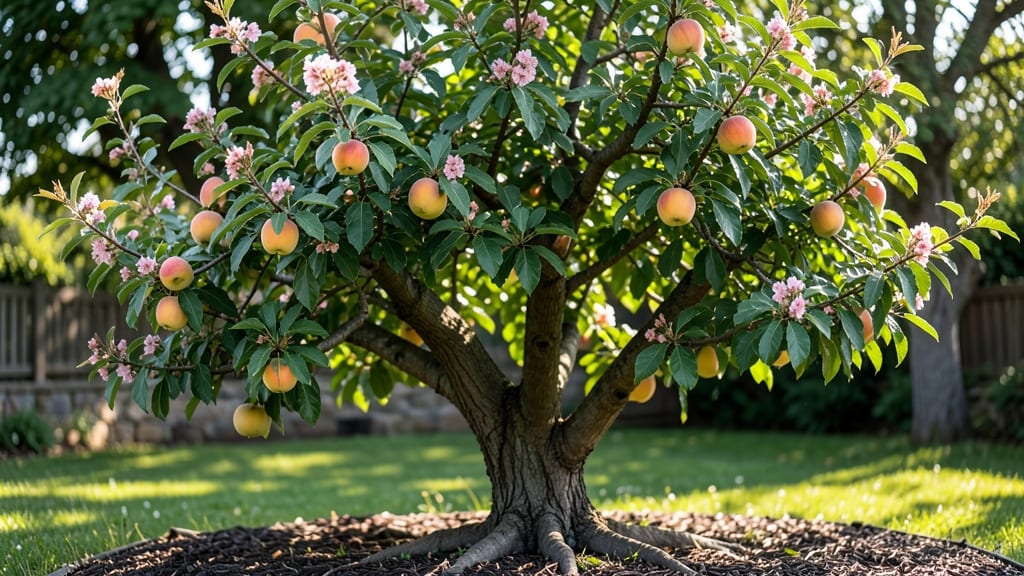
The Elberta peach tree offers legendary juicy, freestone fruit perfect for fresh eating or canning, but it comes with pros and cons that every gardener should weigh carefully.
I’ve grown mine for five years, and while the harvests are legendary, the trade-offs (like late-season pests and specific climate needs) mean this tree demands attention if you want reliable success.
On the plus side, Elberta’s sweet, golden-yellow flesh stays firm enough for slicing while ripening perfectly on the tree. It thrives in USDA Zones 5-9, handles heat better than many peaches, and produces abundant crops once established.
The tree’s upright growth habit also makes it a great fit for smaller yards or espalier projects.
Here’s the catch: Elberta is prone to brown rot and peach leaf curl, requiring preventative sprays in spring. It also needs full sun and well-draining soil, or the roots will rot.
Plus, late-season pests like stink bugs and aphids can turn a great harvest into a battle—unless you’re ready to monitor and treat aggressively.
If you’re in a mild-winter zone and willing to prune regularly (thinning fruit in summer helps prevent disease), this tree is worth the effort. For hotter climates or beginners, consider a more disease-resistant variety—but if you love classic peach flavor and don’t mind the work, Elberta’s rewards are unbeatable.
The first product explained
Meet the Elberta Peach Tree—a climate-resistant superstar in the world of peach cultivation! 🌳🍑 Known for its sweet, juicy fruit and adaptability, this tree is a favorite among home gardeners and commercial growers alike.
Whether you're a backyard enthusiast or a seasoned orchard manager, the Elberta peach tree offers a reliable harvest with minimal fuss (when cared for properly). Let’s break down its standout features, ideal users, and pricing to help you decide if it’s the right fit for your garden.
🌱 Key Specifications & Features
- Variety Type: Freestone peach (easy to pit and enjoy fresh or in recipes!)
- Maturity: Takes 3–5 years to bear fruit after planting (patience pays off!).
- Harvest Season: Mid-to-late summer (July–August), depending on your climate.
- Tree Size: Matures at 12–16 feet tall and 10–15 feet wide—perfect for medium-sized yards or orchards.
- Cold Hardiness: Thrives in USDA Zones 5–9, making it one of the most climate-flexible peach varieties.
- Fruit Characteristics:
- Medium-sized, yellow-orange skin with a red blush.
- Sweet, freestone flesh (pits separate easily).
- Great for fresh eating, canning, or baking!
- Pollination: Self-pollinating (no need for a second tree!), though cross-pollination can boost yields.
- Disease Resistance: Moderately resistant to peach leaf curl and brown rot, but still requires regular pruning and care.
🎯 Who Is This Tree For?
The Elberta peach tree is a versatile choice for:
- 🏡 Home gardeners with space for a medium-sized tree (or a dwarf variety).
- 🌿 Small-scale farmers looking for a low-maintenance fruit tree with high yields.
- 🍑 Peach lovers who prefer freestone varieties for easy pitting and versatile use.
- 🌡️ Gardeners in cooler climates (Zones 5–6) who want a hardy, productive tree.
- 👨🍳 DIYers and canners—its sweetness makes it ideal for jams, pies, and preserves!
💰 Price Point & Where to Buy
Pricing varies based on the tree size, rootstock, and supplier, but here’s a general range:
| Type | Price Range | Where to Find It |
|---|---|---|
| Bare-root sapling (1–2 years old) | $30–$60 | Local nurseries, Fast-Growing-Trees.com, or Arbor Day Foundation. |
| Container-grown (2–3 years old) | $50–$100 | Home Depot, Lowe’s, or specialty fruit tree retailers. |
| Dwarf variety (for small spaces) | $60–$120 | Online orchards like PeachTree.com or local orchard sales. |
Pro Tip: 💡 Buy from reputable nurseries that offer healthy, disease-free stock. Check reviews or ask for guarantees to avoid disappointment!
The second product explained
If you're looking for a hardy, low-maintenance alternative to the classic Elberta peach tree, the Redhaven Peach Tree (Prunus persica 'Redhaven') is a fantastic choice—especially for gardeners in cooler climates or those seeking a slightly earlier harvest. 🍑✨ Known for its disease resistance, reliable fruit production, and sweeter flavor, this variety stands out as a practical yet delicious option.
Let’s break down why it might be the perfect fit for your orchard—or why you might want to skip it.
🌱 Key Specs & Features
The Redhaven peach tree is a semi-dwarf variety, typically reaching 12–15 feet tall at maturity, making it ideal for home gardens with limited space. Here’s what sets it apart:
- Cold Hardiness: Tolerates temperatures as low as -15°F to -20°F (zones 5–9), giving it an edge over the Elberta in colder regions.
- Harvest Time: Ripe 2–3 weeks earlier than Elberta (late June to early July), perfect for extending your peach season.
- Fruit Profile: Medium-sized (2–3 inches), with deep red skin and golden-yellow flesh. The flavor is sweeter and less tart than Elberta, with a juicy, firm texture.
- Pollination: Self-pollinating but benefits from cross-pollination with other peach varieties for better yields.
- Disease Resistance: More resistant to peach leaf curl and bacterial spot than Elberta, though still requires basic pruning and care.
🎯 Who’s It For?
This tree is a great match for:
- 🌿 Home gardeners in cooler climates (zones 5–7) who want a reliable, early-producing peach.
- 🍽️ Fruit enthusiasts who prefer sweeter, less fibrous peaches for fresh eating, jams, or canning.
- 🏡 Urban or small-space growers thanks to its semi-dwarf size and manageable canopy.
- 🛡️ Low-maintenance gardeners who want fewer pest/disease battles than with Elberta.
💰 Price Point & Availability
The Redhaven peach tree is widely available from nurseries, online retailers (like Fast-Growing-Trees.com or Arbor Day Foundation), and garden centers. Prices vary by size and supplier but typically range from:
- $40–$60 for 1–2 gallon containers (young trees, 2–3 feet tall).
- $80–$120 for 5–7 gallon containers (more established, 4–5 feet tall).
- $150+ for field-grown bare-root trees (best for spring planting).
Pro Tip: 💡 Buy from reputable sellers to avoid disease-prone or graft-failure risks. Look for certified disease-free stock and check reviews for customer experiences with cold tolerance!
⚠️ Potential Downsides
While the Redhaven is a stellar choice, it’s not without trade-offs. Compared to the Elberta, it may:
- 🍑 Produce slightly smaller fruit (though still abundant).
- 🌡️ Require more consistent chilling hours (400–600 hours below 45°F) to set fruit—struggles in warm-winter zones.
- 🐛 Attract peach tree borers (like Elberta), needing vigilant pruning and monitoring.
- 🌱 Take 2–3 years to bear significant fruit (similar to Elberta but slightly faster).
Head-to-head comparison
Ready to weigh the Elberta peach tree against other peach varieties? Below is a detailed side-by-side comparison to help you decide if this climate-resistant fruit bearer is the right fit for your garden. Whether you're prioritizing yield, ease of care, flavor, or cold hardiness, this breakdown covers it all!
🌡️ Climate & Cold Hardiness
The Elberta peach tree shines in USDA Zones 5-9, making it one of the most cold-hardy peach varieties. While other peach trees (like the Redhaven or Reliance) struggle below Zone 6, the Elberta can survive winter dips as low as -15°F (-26°C).
This resilience is a game-changer for northern growers!
| Factor | Elberta Peach Tree | Other Peach Varieties (e.g., Redhaven, Reliance) |
|---|---|---|
| Cold Tolerance | ❄️ Zones 5-9 (-15°F/-26°C) | ❄️ Zones 6-9 (down to -10°F/-23°C) |
| Heat Adaptability | 🔥 Thrives in hot summers (up to 100°F/38°C) | 🌡️ Moderate heat tolerance (best in 75-90°F/24-32°C) |
| Drought Resistance | 💧 Moderate (needs consistent water but recovers well) | 💦 Lower (requires frequent watering) |
🍑 Fruit Quality & Flavor
The Elberta is famous for its juicy, sweet-tart flesh and freestone pit, which makes it a favorite for fresh eating, canning, and even grilling. However, its flavor can vary based on ripening conditions. Other varieties like the Redhaven (sweeter, firmer) or Sanguinelle (deep red, aromatic) may suit specific preferences.
| Factor | Elberta Peach Tree | Other Peach Varieties |
|---|---|---|
| Flavor Profile | 🍬 Balanced sweet-tart (8/10) | 🍯 Varies: Redhaven (9/10 sweet), Sanguinelle (7/10 complex) |
| Flesh Texture | 🍑 Juicy, slightly fibrous (freestone) | 🍐 Firmer (clingstone in some, like Reliance) |
| Best For | 🥫 Fresh eating, canning, jams, grilling | 🍰 Baking (Redhaven), fresh markets (Sanguinelle) |
🌱 Growth & Maintenance
The Elberta is a fast-growing tree that reaches 12-15 feet tall at maturity, but it requires regular pruning to manage size and improve airflow. Unlike dwarf varieties (e.g., Bonanza), it won’t stay compact, but its self-pollinating nature means you don’t need a second tree for fruit production.
| Factor | Elberta Peach Tree | Other Peach Varieties |
|---|---|---|
| Mature Size | 🌳 12-15 ft tall, 10-12 ft wide | 🌿 Dwarf (Bonanza: 6-8 ft), Standard (Redhaven: 15-20 ft) |
| Pollination | 🐝 Self-pollinating (no second tree needed) | 🌸 Some need cross-pollination (e.g., Reliance) |
| Pruning Needs | ✂️ Moderate (annual thinning for airflow) | ✂️ Varies: Dwarf varieties need less |
💰 Cost & Value
Elberta peach trees are mid-range in price, typically costing $50-$150 depending on size and source. While dwarf varieties (like the Bonanza) may be pricier upfront, they save space and labor long-term. The Elberta’s high yield and cold resistance often justify the investment for serious growers.
| Factor | Elberta Peach Tree | Other Peach Varieties |
|---|---|---|
| Price Range | 💵 $50-$150 (bare-root or container) | 💵 $40-$200 (dwarf: $80-$150, standard: $30-$100) |
| Yield Potential | 🍑 100-200 lbs/year (with proper care) | 🍐 Varies: Dwarf (50-100 lbs), Standard (150-300 lbs) |
| Long-Term Value | 💎 High (cold-hardy, productive) | 💎 Depends: Dwarf saves space, standard may need more maintenance |
⚠️ Potential Drawbacks
No tree is perfect! The Elberta’s susceptibility to brown rot and bacterial spot means you’ll need to stay vigilant with fungicides. Additionally, its large size can be a downside for small gardens. Compare this to disease-resistant varieties like the Contender or Reliance, which require fewer chemicals.