
Trees
Transform your yard into a lush oasis with fast-growing tropical tree types that deliver instant impact with minimal waiting. 🌴 My favorite, the mango tree, produces fruit in just 3-5 years—imagine picking your own harvests within a decade.
These trees thrive in warm climates but can also adapt to containers for patios or balconies, making them perfect for gardeners with limited space.
The secret to their success lies in sunlight, water, and well-draining soil—think of it as giving them the tropical vacation they crave. Most tropical trees love full sun (6+ hours daily) and regular watering, though once established, they become surprisingly drought-tolerant.
The right soil mix keeps roots happy, whether you're planting in the ground or a large container.
What you'll love most is how quickly they grow—some varieties like the papaya or guava can reach 10-15 feet in just a few years. Their glossy leaves and vibrant flowers add instant curb appeal, while the fruit rewards your patience with sweet, juicy payoffs.
Perfect for tropical landscapes, urban gardens, or even indoor greenhouses in cooler climates.
Here's the kicker: many of these trees double as ornamental powerhouses, offering year-round interest with their striking foliage and fragrant blooms. Whether you're dreaming of a backyard tropical paradise or just want a fast-growing shade tree, these varieties deliver—without the decades-long wait. Let's get planting!
📚 In This Guide
- What you need
- Instructions
- Tips and common mistakes
- Wrapping up and next steps
What you need
- ● Tree Saplings: Choose from fast-growing tropical varieties like Mango (Mangifera indica), Avocado (Persea americana), Banana (Musa spp.), or Guava (Psidium guajava). Buy 3–5 healthy, disease-free saplings from a reputable nursery.
- ● High-Quality Potting Soil: 5–10 bags (20–40 lbs each) of well-draining, organic-rich soil (e.g., miracle-gro tropical mix or coco coir blend).
- ● Fertilizer: Balanced fertilizer (e.g., 10-10-10 NPK) for initial planting.
- ● Slow-release organic fertilizer (e.g., fish emulsion or composted manure) for ongoing nutrition.
- ● Planting Containers or Hole Digger: Containers: 5-gallon pots or larger (15+ gallons for mature trees) with drainage holes.
- ● In-ground: Shovel, garden trowel, and a post-hole digger for larger holes (18–24" wide and deep).
- ● Mulch: 1–2 bags of organic mulch (e.g., pine bark or wood chips) to retain moisture and regulate temperature.
- ● Watering Can or Hose: A gallon watering can for containers or a soaker hose for in-ground plants.
- ● Tree Stakes & Ties: For young saplings in windy areas (3–5 stakes per tree).
- ● Pruning Tools: A bypass pruner and hand saw for shaping and harvesting.
- ● Shade Cloth: Lightweight (30–50%) for young trees in hot climates.
- ● Soil pH Test Kit: To ensure your soil is in the ideal range (most tropical trees prefer 6.0–7.5).
- ● Pest Control: Neem oil or copper fungicide for organic pest/disease prevention.
How to select and plant fast-growing tropical trees
Here's how to choose and establish tropical trees that deliver rapid growth and year-round interest.
🌱 Step 1: Choose Fast-Growing Tropical Varieties
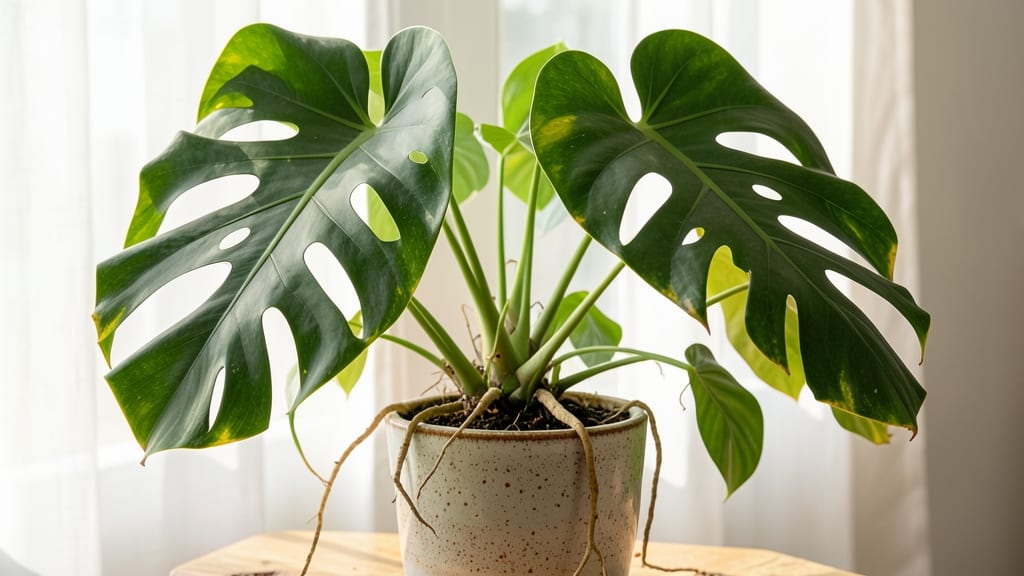
Start with proven performers like Monstera deliciosa (Swiss cheese plant) or Ficus elastica (rubber plant), both of which can grow 2-3 feet per year with ideal conditions. For edible options, citrus varieties like Meyer lemon or calamondin produce fruit within 2-3 years and tolerate cooler nights better than most tropicals.
Check the mature height of each variety—some like avocado trees can reach 40 feet, while dwarf citrus stays under 8 feet. I always measure my space first: a 10-foot ceiling limits taller varieties to palm trees or banana plants, while lower ceilings suit bamboo or schefflera.
☀️ Step 2: Provide Optimal Light and Temperature
Most tropical trees need bright, indirect light—think east or west-facing windows or grow lights for indoor setups. Direct sun burns leaves, so I use sheer curtains to diffuse harsh afternoon rays. For outdoor planting, USDA zones 10-12 are ideal, but container growing extends options to zones 9-11 with winter protection.
Keep temperatures between 65-85°F—most tropicals won't tolerate below 50°F. I monitor my indoor plants with a thermometer and use space heaters in winter or fans in summer to maintain consistency. Watch for yellowing leaves, which often signals temperature stress.
🪴 Step 3: Plant in Well-Draining, Nutrient-Rich Soil
Use a fast-draining potting mix (like 50% peat moss, 30% perlite, 20% compost) for containers, or amend garden soil with organic matter for in-ground planting. Tropical trees hate soggy roots, so I always add 10-15% perlite or coarse sand to improve drainage.
For edible varieties, mix in a slow-release fertilizer at planting—citrus trees benefit from citrus-specific blends high in zinc and iron. Plant at the same depth as the nursery pot, and water deeply right after to settle the soil. Tap the container gently to eliminate air pockets.
💧 Step 4: Water Deeply and Maintain Consistent Moisture
Water when the top 1-2 inches of soil feel dry—stick your finger in to check. Tropical trees prefer even moisture but won't tolerate standing water. I water deeply twice weekly in summer and reduce to once weekly in winter when growth slows.
Mulch with 2-3 inches of organic mulch (like wood chips or shredded bark) to retain moisture and regulate soil temperature. Avoid piling mulch against the trunk—keep it 2-3 inches away to prevent rot. Yellowing leaves often signal overwatering, while crispy edges mean underwatering.
✂️ Step 5: Prune for Shape and Encourage Faster Growth
Prune in early spring before new growth begins. Remove dead or yellowing leaves first, then trim back overly long branches to encourage bushier growth. I use clean, sharp pruners to make 45-degree cuts just above a leaf node—this prevents tearing and promotes faster healing.
For fruit-bearing trees, prune to improve air circulation—this reduces disease and increases yield. I never remove more than 20-25% of the tree in one session, as aggressive pruning stresses tropicals. After pruning, fertilize lightly with a balanced 10-10-10 to support recovery.
Tips & tricks for perfect fast-growing tropical trees
Real talk: The difference between a struggling tropical tree and one that thrives comes down to these key moves. I've seen both sides—from wilting leaves to lush, 2-3 foot annual growth—and here's what actually works.
Variety Selection: Don't just grab any tropical tree—focus on proven performers like Monstera deliciosa or Ficus elastica that deliver that 2-3 feet per year growth you're after. For edible options, Meyer lemon trees are my go-to because they fruit in just 2-3 years and handle cooler nights better than most. Measure your space first: a 10-foot ceiling means you're limited to dwarf citrus or schefflera, while taller ceilings let you go for banana plants or palm trees.
Lighting Strategy: Most tropicals need bright, indirect light—think east or west-facing windows or grow lights for indoor setups. Here's what I do: I place my trees near sheer curtains to diffuse harsh afternoon sun that would otherwise burn leaves. For outdoor planting, remember that USDA zones 10-12 are ideal, but container growing lets you extend that to zones 9-11 with proper winter protection.
Soil Science: The 50% peat moss, 30% perlite, 20% compost mix isn't just a suggestion—it's essential for fast-draining soil that tropical trees crave. I always add an extra 10-15% perlite or coarse sand to prevent soggy roots that can kill your tree. For citrus varieties, mix in a citrus-specific fertilizer high in zinc and iron at planting time—this gives them a nutrient boost right from the start.
Temperature Management: Keeping temperatures between 65-85°F is non-negotiable for most tropicals. I use a thermometer to monitor my indoor plants and adjust with space heaters in winter or fans in summer. Watch for yellowing leaves—they're often your first warning sign of temperature stress. If you notice this, move your tree to a more stable environment immediately.
Pro Tips for Tropical Tree Types
- Real talk: The difference between a struggling tropical tree and one that thrives comes down to these key moves.
- Variety Selection: Don't just grab any tropical tree—focus on proven performers like Monstera deliciosa or Ficus elastica that deliver that 2-3 feet per year growth you're after.
- Lighting Strategy: Most tropicals need bright, indirect light—think east or west-facing windows or grow lights for indoor setups.
Frequently asked questions
Which tropical trees grow the fastest for year-round harvests?
Top contenders include mango (12–24 inches/year), avocado (18–36 inches/year), and papaya (3–6 feet/year). For shade + fruit, try macadamia (12–24 inches/year) or banana (fastest foliage, fruit in 9–12 months). Climate and soil matter—check hardiness zones!
How long does it take for tropical trees to bear fruit?
Most tropical trees take 2–5 years to fruit, but papaya can produce in as little as 9 months! Mangoes and citrus (like lime) may take 3–5 years. Patience pays off—young trees focus on root/leaf growth before flowering. Pro tip: Prune lightly to encourage faster fruiting!
Can tropical trees survive in non-tropical climates?
Many thrive in USDA Zones 9–11, but some (like avocado or coconut) need protection in cooler areas. Use container gardening or greenhouses to extend growing seasons. Citrus and banana trees can handle brief chills (30°F) with mulch. Always research your specific variety!
What’s the best way to plant tropical trees for maximum growth?
Start with well-draining soil (mix sand/compost if needed) and full sun (6+ hours/day). Dig a hole twice as wide as the root ball but no deeper. Water deeply after planting, then mulch to retain moisture. Pro tip: Avoid overwatering—root rot is a common killer!
What pests or diseases should I watch for in tropical trees?
Common threats include:
- Scale insects (sticky sap on leaves)
- Fungal diseases (yellow spots = possible anthracnose)
- Root rot (from overwatering)
Prevent issues with neem oil sprays, pruning dead branches, and avoiding soggy soil. Early detection = easier fixes!
Wrapping up and next steps
From the towering mango to the resilient papaya and the versatile avocado, tropical trees offer a bounty of fast-growing options for year-round harvests—perfect for both seasoned gardeners and beginners! 🌿 Whether you’re dreaming of lush shade, fresh fruit, or sustainable yields, these trees deliver beauty and productivity.
Start small, experiment with varieties, and watch your tropical oasis thrive.
Your next step? Pick a tree that excites you, gather your supplies, and plant with confidence. The tropics are waiting—what will you grow first? 🌱