
Container Gardens
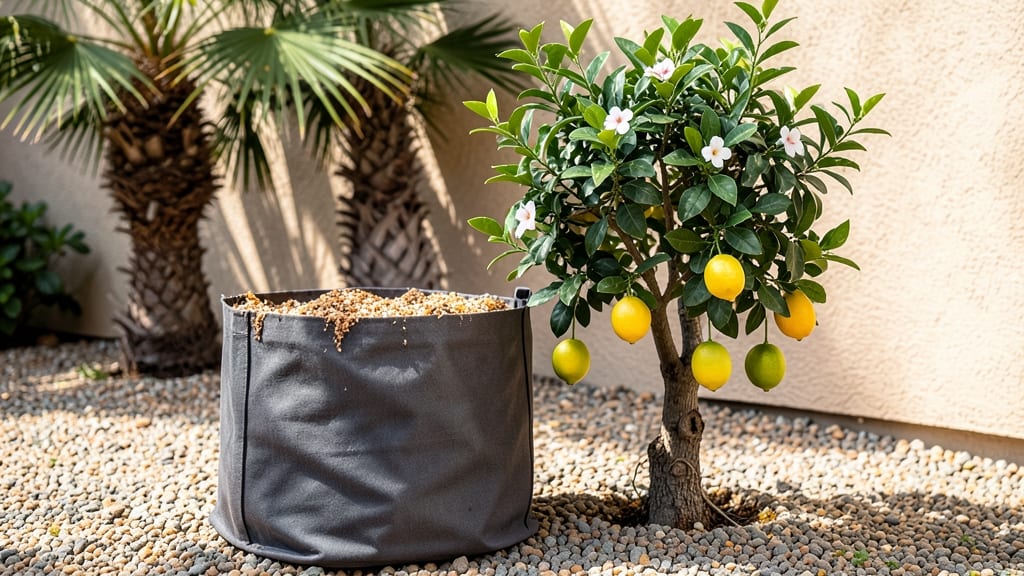
Growing a Meyer lemon tree in a container means fresh citrus within arm's reach—even on your balcony. 🌿 I've watched mine go from a 6-inch sapling to a 4-foot tree bearing lemons in just two years, and the secret isn't complicated: it's about sunlight, the right pot, and a little winter TLC.
The magic happens with a 15-20 gallon container (bigger is better for root health), well-draining soil mixed with perlite, and a spot that gets 6-8 hours of sun daily. Most people overwater—Meyer lemons hate soggy roots, so let the top inch dry between waterings.
In winter, bring it indoors near a sunny window if temperatures drop below 40°F. By summer, you'll be harvesting bright yellow lemons that taste sweeter than store-bought. The tree stays compact, making it perfect for patios, decks, or even sunny kitchens.
Just watch for spider mites (they love dry air) and prune leggy branches to encourage bushier growth. Whether you're in a small apartment or a suburban yard, this citrus tree thrives in containers. The key is consistency—light, water, and a little seasonal adjustment. Ready to grow your own?"
📚 In This Guide
- What you need
- Instructions
- Tips and common mistakes
- Wrapping up and next steps
What you need
- ● Container: A 5-gallon or larger pot with drainage holes (minimum 18" diameter for mature trees). Opt for terracotta, ceramic, or high-quality plastic with a saucer.
- ● Well-draining potting mix: A blend of 50% high-quality citrus potting soil, 30% perlite or pumice, and 20% compost or worm castings (sterilized). Avoid garden soil!
- ● Meyer lemon tree: A 1-3 year old nursery-grown plant (hardier than seeds, which take years to fruit). Look for dwarf or semi-dwarf varieties for containers.
- ● Drainage materials: 1-2 inches of gravel, pebbles, or broken pottery at the container’s bottom to prevent root rot.
- ● Fertilizer: A balanced citrus fertilizer (6-6-6 or 8-3-9 NPK ratio) or organic options like fish emulsion or seaweed extract. Apply every 4-6 weeks during growing season.
- ● Watering can or hose with adjustable nozzle: For deep but infrequent watering (avoid soggy soil!).
- ● Pruning shears: Sharp, bypass-style shears (sterilized with rubbing alcohol) for shaping and maintaining the tree.
- ● Mulch: Ornamental bark or straw (1-2 inches) to retain moisture and regulate soil temperature.
- ● Support stake or trellis: For young trees to prevent toppling as they grow.
- ● pH test kit: To monitor soil pH (ideal range: 6.0–7.0 for Meyer lemons). Adjust with lime (to raise pH) or sulfur (to lower) if needed.
- ● Humidity tray: A shallow tray with pebbles and water to boost humidity in dry climates.
- ● Slow-release fertilizer spikes: Convenient for seasonal nutrient delivery without manual application.
- ● Citrus food or micronutrients: To address deficiencies like iron chlorosis (common in containers).
Step-by-Step instructions for growing a Meyer lemon tree in a container
Here’s how I’ve grown thriving Meyer lemon trees on sunny balconies—no greenhouse needed.
🪴 Step 1: Choose the Right Container and Drainage
Start with a 5-gallon or larger container—Meyer lemons need room for roots to spread. I use unglazed ceramic or fabric pots because they breathe and prevent root rot. Make sure it has drainage holes—if not, drill them yourself. Place a 2-inch layer of gravel or broken pottery at the bottom to improve drainage and prevent soil compaction.
Here’s the thing—Meyer lemons hate soggy roots. If your pot lacks drainage, water will pool and suffocate the roots within days. Test your setup by filling the pot with water—if it drains within 10-15 minutes, you’re good to go.
🌱 Step 2: Use Well-Draining Soil and Plant the Tree
Fill the container with a mix of 50% potting soil, 30% perlite, and 20% compost. This blend ensures aeration and prevents waterlogging. I avoid garden soil—it’s too dense and can harbor diseases. Gently remove the lemon tree from its nursery pot and place it in the center of your container, ensuring the root flare (where roots meet the trunk) sits just above the soil line. This prevents the roots from burying too deep and rotting.
Fill in around the roots with your soil mix, pressing lightly to remove air pockets but not compacting it. Water thoroughly until it drains from the bottom. The first few weeks are critical—keep the soil consistently moist but not soggy until new growth appears.
☀️ Step 3: Position for Maximum Sunlight
Meyer lemons crave 6-8 hours of direct sunlight daily. Place your container in the sunnest spot—a south- or west-facing balcony works best. If you’re in a shaded area, supplement with a grow light for 12-14 hours a day. I’ve seen leggy, weak trees from insufficient light—watch for pale stems and leaves reaching toward the window.
Rotate the pot a quarter turn weekly so the tree grows evenly. You’ll notice new leaves forming on all sides, not just one direction. In winter, if temperatures drop below 45°F, move the tree indoors near a sunny window or under grow lights.
💧 Step 4: Water and Fertilize for Healthy Growth
Water when the top 1-2 inches of soil feel dry. Stick your finger in—if it’s dry, it’s time. Overwatering is the #1 killer of container lemons. I water deeply until it drains from the bottom, then empty the saucer to prevent root rot. In summer, you may need to water every 2-3 days; in winter, once a week is usually enough.
Feed your tree every 4-6 weeks with a balanced citrus fertilizer (like 6-6-6 or 8-3-9). I dilute it to half-strength the first time to avoid burning the roots. Stop fertilizing in late fall to let the tree rest—new growth won’t tolerate cold well.
✂️ Step 5: Prune and Encourage Fruit Production
Prune in late winter or early spring before new growth begins. Remove any dead, diseased, or crossing branches with clean pruners. I also trim back leggy growth to encourage bushier shape—this redirects energy to fruit production. Never prune more than 1/3 of the tree at once, or it’ll stress the plant.
To boost flowering, I give my tree a cool shock in late winter: move it to a 50-55°F spot for 2-3 weeks. This mimics winter conditions and triggers blooms. Once flowers appear, hand-pollinate them with a small brush to ensure fruit sets. Thin fruits to 6-8 inches apart—overcrowding weakens the tree and reduces size.
Tips & tricks for container-grown Meyer lemon trees
Real talk: Container lemon trees are finicky, but these tricks will help you avoid the most common pitfalls and grow a thriving citrus plant.
Drainage is Non-Negotiable: That 10-15 minute drainage test in Step 1 is crucial—if water pools longer than that, your tree's roots will suffocate. I've seen containers with "hidden" drainage holes that look fine but still trap water. Test your pot BEFORE planting by filling it completely and timing the drainage. If it takes longer than 15 minutes, either drill more holes or choose a different container. Unglazed ceramic pots actually work better than plastic for this reason—they allow moisture to evaporate through the sides too.
Soil Mix Secrets: The 50% potting soil/30% perlite/20% compost blend in Step 2 isn't just arbitrary—it creates the perfect balance. I add a handful of coarse sand to my mix for extra grit, which prevents compaction. You can also substitute orchid bark for the perlite if you prefer. The key is maintaining that airy texture—packed soil equals root rot. After planting, I press the soil mix gently but firmly around the roots, making sure there are no air pockets that could create dry spots.
Sunlight Strategy: Those 6-8 hours of direct sunlight in Step 3 are non-negotiable, but here's what nobody tells you: Meyer lemons actually prefer the morning sun more than afternoon heat. If you're on a balcony, position your tree to get morning sunlight and afternoon shade during summer months. I've noticed my trees produce more flowers when they have this gradual light exposure rather than intense afternoon sun. For indoor growers, a south-facing window with supplemental grow lights for 2-3 hours in the afternoon can make all the difference.
Watering Wisdom: The "top 1-2 inches dry" rule in Step 4 is smart, but I've found a better method: water when the soil feels slightly dry to the touch about 1 inch down. This prevents both underwatering and overwatering. I use a moisture meter for my container trees—it's worth the $10 investment. And here's a pro move: water thoroughly until it drains from the bottom, then wait until the saucer is completely empty before watering again. This prevents salt buildup from fertilizer that can harm roots over time.
Pro Tips for Grow Meyer Lemon Tree In Container
- Real talk: Container lemon trees are finicky, but these tricks will help you avoid the most common pitfalls and grow a thriving citrus plant.
- Drainage is Non-Negotiable: That 10-15 minute drainage test in Step 1 is crucial—if water pools longer than that, your tree's roots will suffocate.
- Soil Mix Secrets: The 50% potting soil/30% perlite/20% compost blend in Step 2 isn't just arbitrary—it creates the perfect balance.
Frequently asked questions
Got questions about growing your Meyer lemon tree in a container?
You’re not alone! Here are answers to the most common concerns—so you can enjoy fresh, zesty lemons without the stress.
How big should the container be for a Meyer lemon tree?
A 5-gallon pot (18–24 inches wide) is ideal for young trees, while mature trees need at least 15–20 gallons (24+ inches wide). Deeper pots (18+ inches) encourage stronger root growth. Use drainage holes to prevent soggy roots—root rot is a silent killer!
How long does it take for a Meyer lemon tree to bear fruit in a container?
Patience is key! With proper care, expect first fruit in 2–3 years for container-grown trees. Dwarf varieties (like ‘Improved Meyer’) may fruit sooner (1–2 years). Boost production by hand-pollinating flowers with a soft brush or ensuring bright light (6+ hours daily) and consistent watering.
How often should I water a container Meyer lemon tree?
Water when the top 1–2 inches of soil are dry—usually every 5–7 days in summer or every 10–14 days in winter. Containers dry out faster! Morning watering prevents fungal issues. Pro tip: Use a moisture meter or stick your finger in the soil to check.
Can I grow a Meyer lemon tree indoors year-round?
Yes, but it needs bright, indirect light (south-facing window or grow lights). Without enough light, leaves turn yellow, and growth stalls. In winter, supplement with 12–14 hours of artificial light if natural light is limited. Rotate the pot weekly for even growth.
Why are my Meyer lemon tree leaves turning yellow?
Yellow leaves usually mean overwatering, underwatering, or nutrient deficiencies. Check the soil moisture and adjust your watering routine. Lack of iron (chlorosis) is common in containers—use an iron chelate supplement or acidic fertilizer (like citrus-specific formula). Brown edges? That’s often low humidity or fluoride buildup from tap water.
What’s the best temperature range for a container Meyer lemon tree?
Meyer lemons thrive in 60–85°F (15–30°C). Protect from below 40°F (4°C)—frost can kill the tree. In winter, move pots indoors or use a frost cloth. Heat stress (above 95°F/35°C) can scorch leaves; provide afternoon shade in extreme heat.
Can I grow Meyer lemons in a container if I live in an apartment?
Meyer lemons are perfect for balconies, patios, or even sunny windowsills. Choose a dwarf variety, ensure 6+ hours of sunlight daily, and use a lightweight potting mix. With the right setup, you’ll enjoy fresh lemons without a yard!
Wrapping up and next steps
Growing a Meyer lemon tree in a container is a rewarding journey that brings fresh, fragrant citrus to your balcony or patio—no backyard required! 🌱 With the right sunlight, soil, and care, your tree can thrive, produce sweet lemons, and even brighten up your space with its glossy foliage.
Start small, stay patient, and soon you’ll be harvesting homegrown lemons for everything from lemonade to homemade preserves.
Ready to take the next step? Pick your pot, plant your seedling, and watch your citrus dream grow! 🍋✨