
Pruning
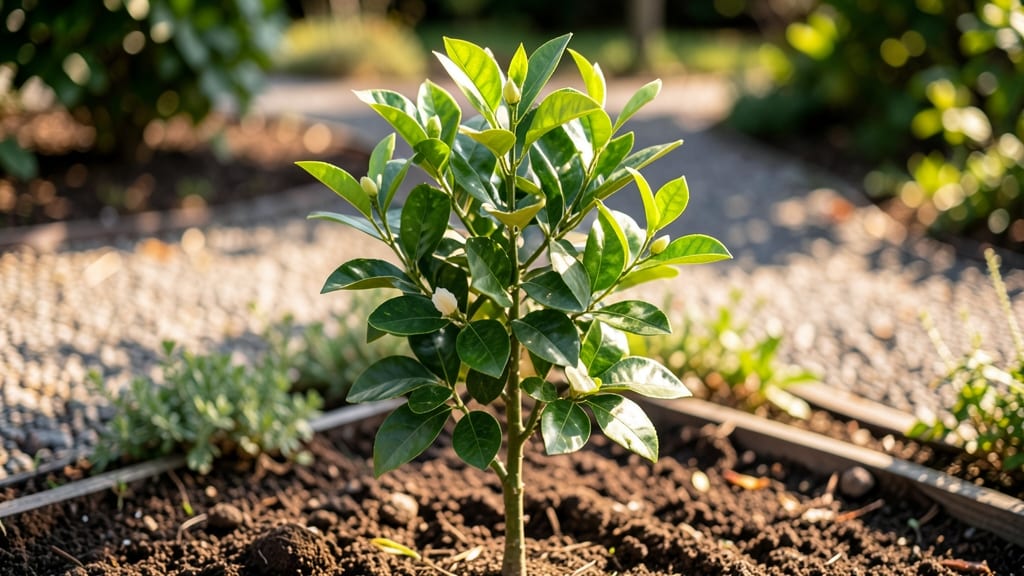
Growing lemon tree saplings indoors or outdoors means zesty harvests just a few years away. 🌱 I’ve watched my own citrus trees go from scraggly saplings to fruit-bearing powerhouses in under three years—here’s how to skip the trial-and-error and get real results.
The secret isn’t fancy equipment but consistent care: bright light, well-draining soil, and a watering routine that mimics Mediterranean summers. Most beginners overwater, which drowns roots faster than anything else. A simple 5-gallon pot with drainage holes works just fine for starters—no need for pricey citrus mixes yet.
By winter, you’ll see thick, glossy leaves and maybe even a few tiny blossoms. The first lemons might take 18 months, but the scent alone—bright, tangy, and impossible to ignore—will make every pruning session worthwhile. Even in colder zones, a sunny window or grow light keeps them thriving year-round.
Here’s where most people stumble: pruning too late or not enough. Cut back leggy growth in early spring, and you’ll trigger bushier growth that produces more fruit. Let’s get those saplings off to the right start!
📚 In This Guide
- What you need
- Instructions
- Tips and common mistakes
- Wrapping up and next steps
What you need
- ● Lemon tree saplings: 1–3 healthy saplings (choose dwarf varieties like Meyer lemon for smaller spaces).
- ● Well-draining potting mix: 5–10 gallons, specifically formulated for citrus trees (or a blend of 60% potting soil, 30% perlite, and 10% sand).
- ● Containers or garden bed: For pots: 5–15 gallon containers (one per sapling) with drainage holes.
- ● For in-ground planting: A sunny spot with loose, well-draining soil (pH 6.0–7.5).
- ● Slow-release citrus fertilizer: 1–2 pounds (e.g., 10-10-10 NPK ratio).
- ● Pruning tools: Bypass pruners (for small branches).
- ● Loppers (for thicker stems, if needed).
- ● Watering can or hose with a gentle spray nozzle.
- ● Gloves: Heavy-duty gardening gloves to protect against thorns.
- ● Mulch: 2–3 inches of organic mulch (e.g., straw or wood chips) to retain moisture and regulate soil temperature.
- ● Citrus-specific pest control: Neem oil or insecticidal soap (for aphids, mites, or scale).
- ● Support stakes or trellis: For young saplings in windy areas or to train growth habits.
- ● pH testing kit: To monitor soil acidity and adjust with lime or sulfur if needed.
- ○ Grow lights (optional): LED full-spectrum lights for indoor saplings (12–16 hours/day).
Step-by-step instructions for growing lemon tree saplings
Here’s how I’ve grown healthy lemon trees indoors and outdoors—no green thumb required.
🪴 Step 1: Choose the Right Container and Soil Mix
Pick a pot at least 12-14 inches wide and deep with drainage holes—lemon trees hate soggy roots. I use unglazed terra cotta because it breathes, but any container with holes works. Fill the pot 2/3 full with a well-draining mix: blend 60% potting soil, 30% perlite, and 10% coarse sand (or use a pre-made citrus mix). This keeps roots aerated and prevents rot.
Tap the pot gently to settle the soil, then water it until moisture runs out the drainage holes. Let it drain completely before planting. The right soil mix is your first defense against root disease—don’t skip this step.
☀️ Step 2: Plant and Position for Maximum Light
Dig a hole in the pot just deep enough to bury the sapling’s root ball 1 inch below soil level. Gently remove the sapling from its nursery pot, loosen the roots if they’re circling, and place it in the hole. Fill around the roots with your soil mix, pressing lightly to remove air pockets. Water thoroughly until the top 1 inch of soil feels damp.
Lemon trees need 6-8 hours of direct sunlight daily—more if possible. Place your sapling near a south-facing window or under a grow light (14-16 hours/day). If outdoors, avoid harsh afternoon sun in hot climates—it scorches leaves. Watch for yellowing leaves; that’s your signal to adjust light exposure.
💧 Step 3: Water and Fertilize for Strong Growth
Water when the top 2 inches of soil feel dry—stick your finger in to check. Lemon trees are drought-tolerant once established, but saplings need consistent moisture. Water deeply until it drains from the bottom, then empty the saucer to prevent root rot. Overwatering is the #1 killer of young citrus trees.
Start fertilizing 4-6 weeks after planting with a balanced citrus fertilizer (10-10-10 or 6-6-6). Follow package instructions, but I halve the dose for saplings—too much fertilizer burns roots. Feed every 4-6 weeks in growing season (spring-fall) and reduce to every 8-10 weeks in winter.
✂️ Step 4: Prune and Train for Shape
Prune in late winter or early spring before new growth starts. Remove any dead, diseased, or crossing branches with clean, sharp pruners. Cut just above a leaf node at a 45-degree angle to encourage new growth. For saplings, I also pinch off the top set of leaves to encourage bushier growth—this is called "heading back."
Train the main stem to grow straight by tying it to a stake or bamboo support if needed. Lemon trees grow upright, but wind or uneven light can cause bending. Prune lightly throughout the year to maintain shape—never remove more than 1/3 of the foliage at once. Healthy pruning boosts fruit production later.
🌱 Step 5: Overwinter for Year-Round Success
If growing indoors, reduce watering in winter—let the top 3 inches of soil dry out between waterings. Move the tree away from cold drafts (below 50°F stunts growth). If outdoors in cold climates, bring potted saplings inside before temperatures drop below 40°F. Lemon trees are tropical and need warmth to thrive.
Resume regular care in early spring when days lengthen. Watch for pests like scale or spider mites—wipe leaves with a damp cloth weekly to prevent infestations. With consistent care, your sapling will grow 1-2 feet per year and produce blooms (and eventually fruit!) within 3-5 years. Patience pays off.
Tips & tricks for perfect lemon tree saplings
Here's what nobody tells you about keeping your citrus thriving through every season.
Container Choices: While terra cotta is my top pick for its breathability, plastic pots work too—just make sure they have drainage holes. If using plastic, avoid black containers (they absorb heat and can cook roots). I've also had success with fiberglass pots in hot climates—they stay cooler than ceramic. Remember, the pot's depth matters just as much as width—those roots need room to grow downward too.
Light Exposure: That 6-8 hours of direct sunlight is non-negotiable, but here's the trick: rotate your sapling a quarter turn every few weeks. This prevents lopsided growth toward the light source. If you notice leaves stretching toward the window (called etiolation), it's time to adjust. For indoor growers, supplement with a full-spectrum LED grow light—it mimics natural sunlight perfectly and gives you control over those 14-16 hours of light exposure mentioned in Step 2.
Watering Wisdom: The finger-in-soil test is foolproof, but here's my extra tip: water in the morning rather than evening. This gives excess moisture time to evaporate during the day, reducing root rot risk. I also recommend using room-temperature water—cold water can shock the roots, especially in sensitive saplings. And if you're using tap water, let it sit out overnight first to allow chlorine to dissipate.
Pruning Pro Tips: When you're heading back those top leaves in Step 4, look for new growth buds just below where you're cutting. These buds will become your new branches. I like to make my pruning cuts just above a leaf node where two leaves meet—this is where new growth naturally emerges. And here's a secret: save your pruned leaves! Dry them out and grind into powder for a natural fertilizer boost later.
Pro Tips for Lemon Tree Saplings
- Here's what nobody tells you about keeping your citrus thriving through every season.
- Container Choices: While terra cotta is my top pick for its breathability, plastic pots work too—just make sure they have drainage holes.
- Light Exposure: That 6-8 hours of direct sunlight is non-negotiable, but here's the trick: rotate your sapling a quarter turn every few weeks.
Frequently asked questions
Got questions about growing lemon tree saplings? You’re not alone! Here are answers to the most common concerns—so you can keep your citrus thriving year-round.
How long does it take for lemon tree saplings to bear fruit?
Patience is key! Most lemon tree saplings take 3–5 years to produce fruit, depending on variety, care, and climate. Dwarf varieties may fruit slightly sooner (2–3 years), while standard trees take longer. Focus on healthy growth first—strong roots = faster fruiting!
Can I plant lemon tree saplings year-round, or is there a best time?
Timing matters! Plant saplings in early spring or late fall (when temps are mild, 60–75°F) for best success. Avoid extreme heat or frost—root shock is less likely. If you must plant in summer, water deeply daily and shade the sapling for the first 2 weeks.
How do I protect lemon tree saplings from frost or cold snaps?
Lemon trees are tropical—they hate frost! If temps drop below 28°F, cover the sapling with a breathable frost cloth or move potted trees indoors. For outdoor trees, mulch the base with straw (3–4 inches) to insulate roots. Never use plastic directly on leaves—it traps moisture and causes rot.
What if my lemon tree sapling’s leaves turn yellow? Is it dying?
Yellow leaves usually signal overwatering, underwatering, or nutrient deficiency. Check soil moisture—stick your finger 2 inches deep; if soggy, reduce water. If dry, water deeply but less often. Yellowing with brown edges? It’s likely underwatering or salt buildup. Flush soil with water and feed with a citrus-specific fertilizer.
Are there low-maintenance alternatives to lemon trees for small spaces?
Yes! Try meyer lemon trees (dwarf, cold-hardy) or calamondin oranges (compact, fragrant). For zero-fuss options, dwarf lime trees or kumquat bushes thrive in pots with minimal care. All produce fruit but require full sun (6+ hours/day) and well-draining soil.
Wrapping up and next steps
Growing lemon tree saplings into thriving citrus plants is all about patience, care, and a few clever tricks! 🌱 From selecting the right soil to mastering pruning techniques and troubleshooting common issues, you now have the tools to nurture a vibrant lemon tree year-round.
Whether you're a beginner or a seasoned gardener, every small step—like proper watering, sunlight exposure, and seasonal adjustments—makes a big difference.
So, roll up your sleeves and get ready to enjoy the sweet rewards of your hard work! Your next logical step? Plant that sapling today and watch it flourish—bonus points for sharing your progress with fellow citrus enthusiasts. Happy gardening! 🍋✨