
Trees
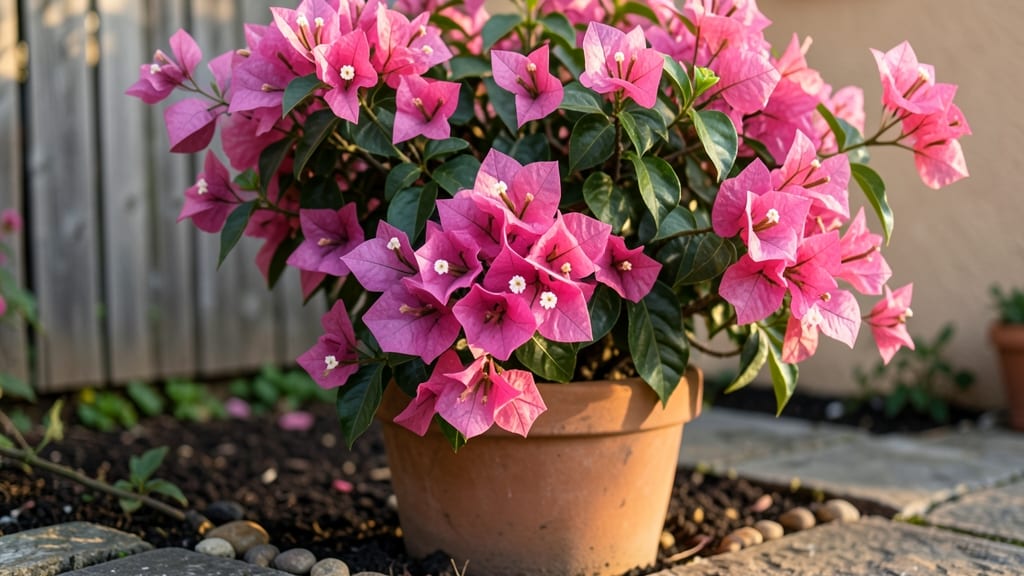
A tropical tree with pink flowers isn’t just a plant—it’s a living centerpiece that turns any garden into a sun-drenched escape. 🌺 From the delicate blush of frangipani to the bold splashes of poinciana, these trees bring drama and softness in one package, perfect for creating a resort-style retreat right in your backyard.
The secret to their showstopping impact lies in layering textures and colors. Pair a pink-flowered tabebuia with deep green heliconia for contrast, or let a hibiscus-laden tree anchor a seating area with its velvety petals.
The key is balancing their vibrant hues with neutral tones—think weathered wood, terracotta pots, or smooth river stones—to keep the space from feeling overwhelming.
You’ll end up with a garden that feels like a tropical getaway, where every breeze carries the scent of blooms and every glance lands on a splash of pink against lush greenery. The best part?
These trees thrive in warm climates but can also be grown in containers and brought indoors during cooler months. For maximum impact, plant them where they’ll be the first thing visitors see—near entryways, along driveways, or as focal points in patio areas.
With the right placement, your garden will look like it belongs in a postcard.
📚 In This Guide
- What you need
- Instructions
- Tips and common mistakes
- Wrapping up and next steps
What you need
- ● Tropical tree pink-flowering variety: 1–3 Tabebuia impetiginosa (Pink Trumpet Tree) saplings or seeds (or other pink-blooming tropical trees like Hibiscus rosa-sinensis or Lagerstroemia)
- ○ Optional: Pre-grown bonsai or dwarf varieties for smaller spaces
- ● High-quality potting soil: 5–10 gallons (mix with 20% perlite or sand for drainage)
- ● Containers or garden bed: For saplings: 1–2 gallon pots (minimum 12" diameter)
- ● For mature trees: 5+ gallon pots or in-ground planting (check local frost dates!)
- ● Fertilizer: Balanced 10-10-10 or 20-20-20 granular fertilizer (1 tbsp per gallon of soil)
- ● Slow-release option: Osmocote or organic compost (5 lbs for in-ground planting)
- ● Basic gardening tools: Trowel or shovel (for transplanting)
- ● Pruning shears (sterilized with rubbing alcohol)
- ● Gloves (to protect from thorns or sap)
- ● Watering supplies: Watering can or hose with adjustable nozzle
- ○ Optional: Drip irrigation kit for mature trees
- ● Sunlight & climate: Full sun (6+ hours daily) or partial shade (varies by species)
- ● USDA Hardiness Zones 9–11 (or container gardening for cooler climates)
- ● Mulch: 2–3 inches of organic mulch (e.g., wood chips or straw) to retain moisture
- ● 🌡️ Check soil pH: Aim for 6.0–7.0 (test kits available at garden centers).
- ● ✨ Boost blooms: Add 1 tsp Epsom salt to soil monthly during flowering season.
- ● 🌱 Seed starters: Use a heat mat (75–85°F) for faster germination if growing from seed.
How to grow stunning pink tropical flowers for your garden
Here’s my go-to method for cultivating vibrant pink tropical blooms that’ll transform any garden into a sun-drenched paradise.
🌱 Step 1: Choose the Right Pink Tropical Varieties
Start with plants known for their bold pink blooms, like hibiscus, bougainvillea, or plumeria. These thrive in warm climates and bring that tropical punch you’re after. I always opt for disease-resistant varieties—like the ‘Pink Double’ hibiscus—to avoid future headaches.
If you’re starting from seeds, pick pre-germinated seedlings from a nursery. They’ll bloom faster than seeds, and you’ll skip the finicky germination phase. For cuttings, choose healthy stems with at least two leaf nodes—this ensures strong root development.
☀️ Step 2: Plant in Well-Draining, Nutrient-Rich Soil
Tropical pink flowers hate soggy roots, so mix equal parts potting soil and perlite (or coconut coir) for perfect drainage. Amend the soil with compost to feed those hungry blooms—think 1 part compost per 3 parts soil mix. Fill containers or garden beds to 1 inch below the rim to prevent overflow during watering.
Place your plants where they’ll get 6-8 hours of direct sun daily. A south-facing spot works best, but watch for afternoon shade in hot climates—too much scorching sun can bleach petals. If growing in pots, use glazed containers to retain moisture without overheating roots.
💧 Step 3: Water Deeply and Consistently
Water once a week (or when the top 2 inches of soil feel dry). Tropical flowers drink deeply but don’t like wet feet—always water at the base, not overhead. I use a soaker hose to avoid fungal issues, and I empty saucers after 30 minutes to prevent root rot.
Fertilize every 4-6 weeks with a balanced liquid fertilizer (like 10-10-10) during blooming season. Cut back to half-strength in winter—these plants rest, and overfeeding stresses them. You’ll know it’s working when new leaves emerge bright green and glossy.
✂️ Step 4: Prune and Deadhead for Longer Blooms
Pinch back leggy stems by one-third in early spring to encourage bushier growth. For bougainvillea, trim just above a leaf node to spark new flower clusters. Deadhead spent blooms weekly—this redirects energy to fresh pink flowers instead of seed production.
Watch for yellowing leaves, which signal overwatering or pests. Spray with neem oil if you spot aphids or spider mites. I also rotate pots quarter-turn weekly so plants grow evenly toward the light—no lopsided tropical vibes here!
🌿 Step 5: Protect and Enjoy Year-Round Blooms
In cooler months, move potted plants indoors near a sunny window or under grow lights. Keep humidity high with a pebble tray filled with water—tropical flowers adore it. If frost threatens, cover with frost cloth or bring them inside entirely.
Your garden will burst with vibrant pink blooms in as little as 3 months with consistent care. The key? Sun, drainage, and patience. Once established, these tropical stars will reward you with months of color—and zero guilt over deadheading!
Tips & tricks for perfect tropical tree pink flowers
These little tricks will help you coax out the most vibrant pink blooms from your tropical garden stars.
Variety Selection: When choosing your tropical pink flowers, look for plants labeled as "disease-resistant" or "bloom-heavy" varieties. For example, the 'Pink Double' hibiscus produces twice as many blooms as regular varieties and resists common tropical diseases. This single choice can mean the difference between sporadic blooms and a garden bursting with pink all season long.
Soil Science: The soil mix in Step 2 is where the magic happens—equal parts potting soil and perlite creates that perfect airy environment roots love. Pro tip: Add a handful of worm castings to your compost mix for an extra nutrient boost. These tiny powerhouses are packed with beneficial microbes that help your plants absorb nutrients more efficiently, leading to bigger, brighter blooms.
Sunlight Strategy: Those 6-8 hours of direct sun are non-negotiable, but timing matters too. In hot climates, position your plants to get morning sun and afternoon shade. This prevents the petals from bleaching under intense midday rays while still giving them enough light to fuel those vibrant pink hues. Think of it like sunscreen for your flowers!
Watering Wisdom: The once-a-week guideline works for average conditions, but your watering needs might change. In summer heat, you might need to water every 4-5 days instead. Always check that top 2 inches of soil—if it's dry, it's time to water. For container plants, I've found using a moisture meter probe in the soil gives the most accurate reading, especially when you're juggling multiple plants.
Pro Tips for Tropical Tree Pink Flowers
- These little tricks will help you coax out the most vibrant pink blooms from your tropical garden stars.
- Variety Selection: When choosing your tropical pink flowers, look for plants labeled as "disease-resistant" or "bloom...
- Soil Science: The soil mix in Step 2 is where the magic happens—equal parts potting soil and perlite creates that per...
Frequently asked questions
Got questions about growing or caring for tropical trees with stunning pink flowers?
You’re not alone! Here are answers to the most common queries to help you cultivate a lush, blooming paradise in your garden.
What are the best tropical trees for pink flowers?
Top picks include the Tabebuia rosea (pink trumpet tree), Delonix regia (flamboyant tree), and Erythrina lysistemon (coral tree). These thrive in warm climates and deliver vibrant pink blooms. For cooler areas, consider Lagerstroemia indica (crape myrtle), which tolerates mild frost while still producing pink flowers.
How long does it take for these trees to bloom?
Most tropical pink-flowering trees take 3–5 years to mature and bloom after planting, depending on species and growing conditions. Tabebuia rosea, for example, may bloom as early as 2–3 years in ideal settings, while others like Delonix regia can take longer. Patience and proper care (sunlight, water, and soil) speed up the process!
Do tropical pink-flowering trees need special watering?
Yes! These trees prefer well-draining soil and consistent moisture during their first year. Once established, water deeply 1–2 times per week during dry spells, but avoid soggy roots. Pro tip: Mulch around the base to retain moisture and protect roots. Overwatering can lead to root rot, so always check soil dampness before watering.
Can these trees survive winter or cold snaps?
Most tropical pink-flowering trees cannot tolerate frost and thrive in USDA zones 9–11. However, some like Lagerstroemia indica or Caesalpinia pulcherrima (Mexican bird of paradise) can handle brief cold snaps (20–25°F). For colder climates, grow them in containers and move them indoors during winter or plant them near heat sources.
What should I do if my tropical tree isn’t blooming?
Lack of blooms often stems from poor nutrition, insufficient sunlight, or stress. Try these fixes:
- Fertilize in early spring with a balanced, phosphorus-rich fertilizer (e.g., 10-10-10).
- Ensure 6+ hours of direct sunlight daily.
- Check for pests (aphids, spider mites) or diseases (fungus).
- Prune dead or overgrown branches to encourage new growth.
Are there non-tree alternatives for pink tropical flowers?
If trees aren’t practical, try these easy-to-grow pink tropical plants:
- Hibiscus rosa-sinensis (Hibiscus) – Bold, showy blooms.
- Plumeria rubra (Frangipani) – Fragrant, waxy flowers.
- Bougainvillea – Vibrant, drought-tolerant vines.
- Heliconia – Exotic, banana-like foliage with pink bracts.
Wrapping up and next steps
Bringing tropical tree pink flowers into your garden isn’t just about adding color—it’s about creating a vibrant, lively space that feels like a slice of paradise. 🌺 Whether you’re a seasoned gardener or just starting out, these stunning blooms are a rewarding addition that will thrive with the right care.
Now that you’re armed with the how-to and answers to common questions, it’s time to roll up your sleeves and get planting!
Ready to transform your outdoor space? Start by choosing your favorite pink-flowering tropical tree—like the Bougainvillea or Hibiscus—and pick a sunny spot in your garden. Then, gather your supplies and follow the steps above to watch your garden burst into life with dazzling pink blooms! 🌿✨