
Pruning
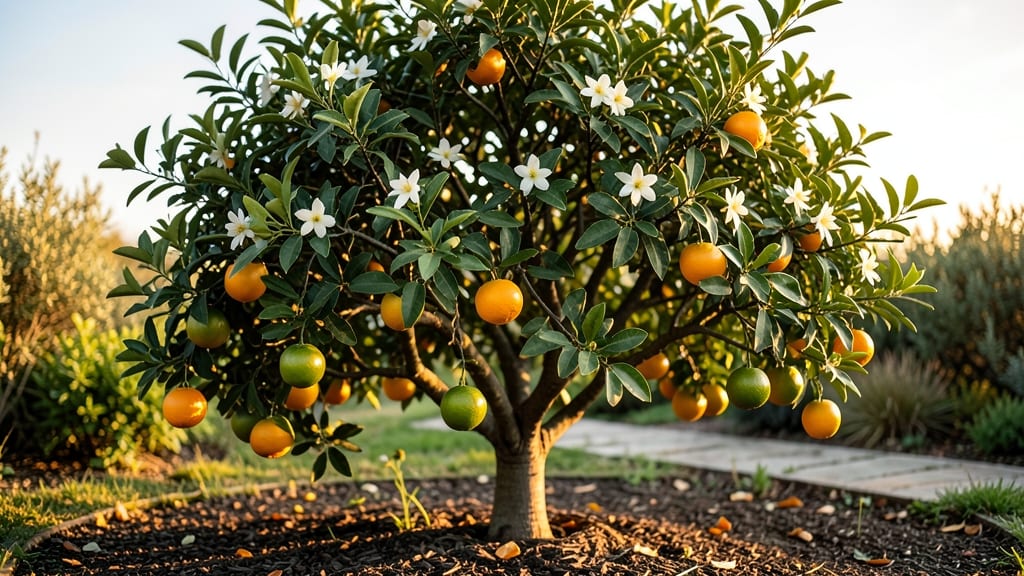
That tree with little orange berries isn’t just pretty—it’s a year-round conversation starter and wildlife magnet. 🌟 I’ve grown pyracantha, holly, and cotoneaster for years, and these trees deliver bold color, texture, and fruit that last from fall through winter.
The key? Matching the right variety to your climate and giving it the care it craves—because even the hardiest trees need a little TLC to stay vibrant.
Start with sunlight and soil: most orange-berried trees thrive in full sun to partial shade and well-draining soil. Pyracantha loves rich loam, while holly tolerates clay if it’s not soggy. Plant in early spring or fall, and mulch heavily to keep roots cool.
Prune in late winter to shape the tree and encourage dense growth—just avoid cutting into old wood if you want those berries to return next season.
By summer, you’ll see glossy leaves and clusters of tiny white flowers that’ll turn into glossy orange berries by fall. Birds will flock to them, and your neighbors will ask for your secrets.
The trade-off? Some varieties (like holly) have thorns, so plan your planting spots carefully. With the right care, these trees become low-maintenance showstoppers that outshine any annual bed.
Whether you’re dealing with aphids, fungal spots, or just winter browning, I’ll cover how to keep your tree healthy—so you can enjoy those berries for years to come. Let’s get started!
Why it happens
Those vibrant little orange berries aren’t just a pretty sight—they’re nature’s way of signaling a tree’s health, environmental conditions, and even its reproductive strategy. Understanding why they form helps you nurture your tree for a consistent, abundant harvest. Let’s break down the science behind these tiny fruit powerhouses.
🌱 Pollination: The Missing Link
Most trees with orange berries (like Cotoneaster, Pyracantha, or Hawthorn) rely on cross-pollination to trigger berry development. Here’s how it works:
- Incomplete pollination: If bees, butterflies, or wind fail to transfer pollen between flowers, the tree may produce fewer or no berries. This is common in urban areas with low pollinator activity.
- Self-pollination limits: Some varieties (like Pyracantha ‘Orange Glow’) can self-pollinate, but stress or poor growing conditions reduce their efficiency.
- Actionable fix:
- 🐝 Boost pollinators: Plant companion flowers (e.g., lavender, coneflowers) near your tree to attract bees.
- 🌿 Hand-pollinate: Use a soft brush to transfer pollen between flowers if pollinators are scarce.
☀️ Light and Nutrition: The Dual Fuel
Berries are energy-intensive—your tree needs optimal sunlight and nutrients to fuel their growth. Here’s what goes wrong:
| Issue | Fix It | |
|---|---|---|
| Shady spots | Trees like Pyracantha need 6+ hours of sunlight daily to photosynthesize enough energy for berries. | 🌞 Prune overhanging branches or transplant to a sunnier location. |
| Nutrient deficiencies |
|
💡 Fertilize in early spring: Use a balanced 10-10-10 fertilizer or a fruit-specific blend (e.g., Espoma Fruit Tree Food). |
🌡️ Temperature and Timing: The Delicate Balance
Berries form in late spring/early summer, but extreme temperatures can derail the process:
- Late frosts: If flowers bloom early and frost hits, they won’t pollinate, leading to no berries.
- Heatwaves: Temperatures above 90°F (32°C) can sterilize pollen or cause flowers to drop prematurely.
- Actionable fix:
- ❄️ Protect from frost: Cover young trees with frost cloth if late frosts are forecasted.
- 💦 Water deeply during heatwaves: Stress from drought weakens the tree’s ability to support fruit.
🦠 Pests and Diseases: Silent Berry Thieves
Unseen invaders can devour flowers or berries before they mature. Common culprits:
- Japanese beetles: Chew flowers and young berries, leaving skeletal remains.
- Birds and squirrels: Love ripe berries—they’ll eat them before you can.
- Fungal issues (e.g., powdery mildew): Can distort flowers, preventing pollination.
How to stop them:
- 🐞 Neem oil spray: Apply in early spring to deter beetles and fungal growth.
- 🎯 Bird netting: Cover clusters of berries once they form to protect from wildlife.
- 🌿 Prune infected branches: Remove and dispose of any with mildew to prevent spread.
Quick Fixes for Orange Berry Trees
Got a tree loaded with tiny orange berries but not quite hitting the mark? Whether it’s sparse fruit, odd growth, or pests playing spoilsport, these practical, step-by-step solutions will help you revive your tree’s productivity—and keep it thriving for years to come.
Below, we break down the most common issues and their fixes, complete with prevention tips to avoid future headaches.
Cause: If your tree isn’t getting enough pollinators (or lacks a compatible partner), those orange berries may stay small or fail to develop. Solution:
- Hand-pollinate 🐝: Use a soft paintbrush to transfer pollen from one flower to another on morning and evening for 3–5 days during bloom.
- Plant a pollinator-friendly garden 🌼: Add flowers like lavender, sunflowers, or native wildflowers to attract bees and butterflies.
- Check for a second tree 🌳: Some berry-bearing trees (like hawthorn or cotoneaster) need two trees for cross-pollination. If you only have one, consider planting a compatible variety nearby.
✨ Pro Tip: Avoid spraying pesticides during bloom—bees are your best allies!
Cause: Pruning at the wrong time (like late winter) or cutting too aggressively can stress the tree, leading to fewer berries. Solution:
- Prune in late winter or early spring ⏰ (just before buds swell) to encourage new growth without shocking the tree.
- Focus on shape, not size 🔪: Remove only dead, diseased, or crossing branches—never cut more than 25% of the canopy in one season.
- Thin out overcrowded branches 🌿: Aim for an open center to improve airflow and sunlight penetration.
💡 Quick Fix: If you’ve overpruned, skip heavy fertilizing that season—let the tree recover first.
Cause: Aphids, scale insects, or fungal diseases (like powdery mildew) can stunt berry growth or cause them to drop early. Solution:
- Spot-treat pests 🦟:
- Aphids/Scale: Spray with neem oil (mix 1 tbsp per quart of water) or introduce ladybugs (natural predators).
- Caterpillars: Handpick or use Bt (Bacillus thuringiensis), a bacteria-based organic pesticide.
- Fungal issues? 🍄:
- Remove infected leaves/berries and dispose of them.
- Apply copper fungicide or a baking soda spray (1 tsp baking soda + 1 quart water + a drop of dish soap).
- Prevent future outbreaks 🛡️:
- Mulch with wood chips (not fresh wood) to deter soil-borne diseases.
- Water at the base (not overhead) to keep foliage dry.
⚠️ Warning: Avoid chemical sprays when berries are near harvest—opt for organic methods instead.
Cause: Drought or extreme heat can cause berries to shrivel or fall prematurely. Solution:
- Deep watering 💦: Water slowly and deeply (1–2 inches per week) to encourage root growth. Use a soaker hose for efficiency.
- Mulch heavily 🌿: Spread 3–4 inches of organic mulch (like shredded bark) around the base to retain moisture.
- Shade cloth ☀️: If your tree is in a scorching spot, drape light shade cloth (30–50%) during peak summer heat.
🎯 Prevention: Plant your tree in a location with partial shade (especially in hot climates) for better berry retention.
Cause: Over- or under-fertilizing can lead to weak growth and poor berry development. Solution:
- Test your soil 📊: Use a DIY soil test kit (available at garden centers) to check pH and nutrient levels.
- Balance is key 🍽️:
- Low berry count? Try a balanced fertilizer (10-10-10) in early spring.
- Too many leaves, few berries? Switch to a high-phosphorus fertilizer (like 5-10-10) to boost flowering.
- Avoid synthetic fertilizers 🚫: They can burn roots. Instead, use compost or organic slow-release granules.
💡 Bonus: A foliar spray of seaweed extract can give a quick nutrient boost during flowering.
Keep your berry tree happy with these year-round habits:
| Season | Task | Why It Matters |
|---|---|---|
| Spring | Prune + fertilize | Encourages strong new growth |
| Summer | Mulch + monitor pests | Prevents stress and disease |
| Fall | Light prune + compost | Cleans up for winter dormancy |
| Winter | Inspect for damage | Catches issues before next season |
Final Thought: Most berry tree problems are preventable with consistent care. Start with one fix (like better pollination or pest control), then layer in the rest. Before you know it, you’ll be swimming in juicy, plump orange berries—no more tiny disappointments! 🍊✨
Frequently asked questions
Are those tiny orange berries edible?
It depends on the tree! While some varieties like pyracantha berries are safe for humans (tart but edible), others like holly berries are toxic. Always confirm the species before consuming. Birds love them all, though—so if wildlife is visiting, your tree is likely safe for the environment.
Why are my berries so small this year?
Small berries often mean stress—check for pollination issues, nutrient deficiencies, or pest damage. Try hand-pollinating with a soft brush if bees aren’t visiting, or fertilize with a phosphorus-rich blend (like 5-10-10) in spring. Overwatering can also cause poor fruit development.
Do these trees attract birds? If so, how do I protect the berries?
Trees like cotoneaster and hawthorn are bird magnets. To save some berries, wrap clusters in fine netting once they ripen. Alternatively, plant near windows where you can enjoy the show—birds help with natural pest control while you admire their acrobatics.
Can I grow these trees in containers?
Yes, but choose dwarf varieties like pyracantha ‘Orange Glow’ or cotoneaster ‘Berries ‘n’ Blooms’. Use a 15-gallon pot with drainage holes and well-draining soil. Repot every 2-3 years and prune roots if they circle the pot—container trees need regular root checks to thrive.
What’s the difference between holly and pyracantha berries?
Holly berries are red (or sometimes orange) and spiky, while pyracantha berries are bright orange and smooth. Holly often has glossy leaves with sharp thorns, while pyracantha has smaller leaves and milder spines. Both need full sun but pyracantha tolerates more shade.