
Pruning
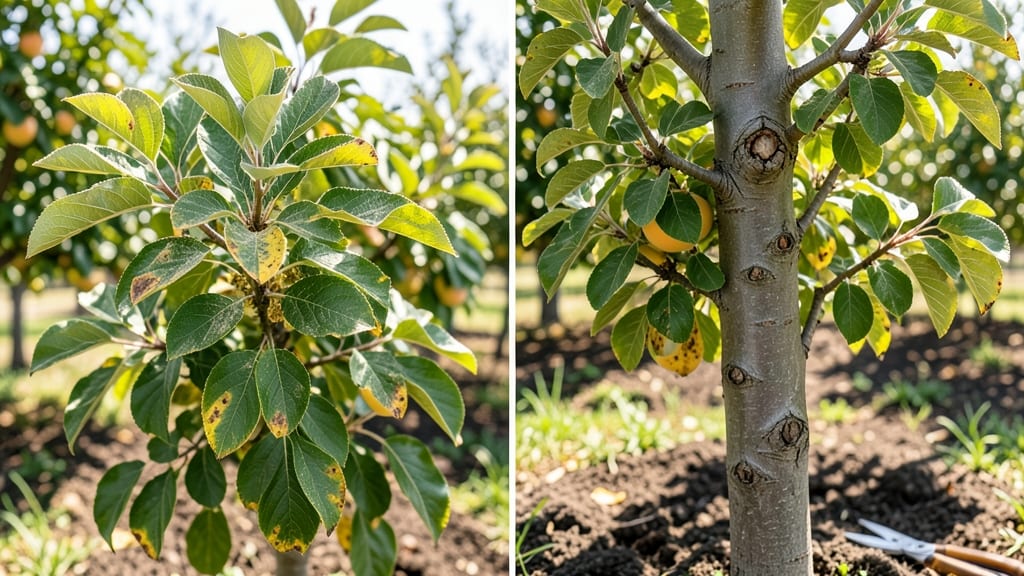
Your apricot tree’s sad leaves or missing fruit could be one of three common problems—each with a simple fix. 🌱 I’ve battled brown rot, borers, and frost damage myself, and I’ll show you how to spot the issue and save your tree before it’s too late.
The key is acting fast, whether it’s pruning out infected branches or applying the right spray at the right time.
Brown rot shows up as mushy, brown fruit and leaves, while borers create jagged holes in the bark. Frost damage looks like blackened, brittle branches—none of these are normal, and ignoring them means losing your harvest.
The good news? Most issues can be stopped with basic pruning, organic sprays, and a little prevention, like removing fallen fruit before it spreads disease.
You’ll learn to recognize symptoms early, so you can treat them before they spread. A few minutes now could mean a full harvest next year—no more wasted effort or disappointed looks when your tree fails to produce. The solutions are straightforward, but timing matters, so let’s get into the specifics.
Whether you’re dealing with pests, disease, or environmental stress, this guide covers the most common apricot tree problems and how to fix them—without chemicals if possible. By the end, you’ll know exactly what to do when your tree starts looking sick, and how to keep it healthy year after year.
Root Causes Behind Apricot Tree Struggles
Apricot trees are resilient, but when they falter, it’s usually due to a mix of environmental stress, biological threats, or poor growing conditions. Understanding the why behind these issues is the first step to restoring your tree’s health.
Below, we break down the most common culprits—from fungal infections to nutrient deficiencies—and explain the science behind their damage.
Fungi thrive in moist, warm conditions, making apricot trees vulnerable to diseases like brown rot (Monilinia spp.) and powdery mildew (Podosphaera spp.). These pathogens exploit weak spots in bark or leaves, spreading rapidly when humidity is high.
- Brown Rot: The fungus enters through wounds (like pruning cuts) or blossoms, producing spore-filled mummies on fruit. Rain splashing spores onto healthy tissue accelerates infection. Why it happens: Overhead irrigation or dense canopies trap moisture, creating ideal fungal breeding grounds.
- Powdery Mildew: This white, powdery coating blocks sunlight, stunting growth. It spreads via wind and thrives in 70–80°F temperatures with high humidity. Why it happens: Poor air circulation (from overcrowded trees) or nitrogen-heavy fertilizers weaken the tree’s defenses.
💡 Pro Tip: Remove infected fruit/foliage immediately and prune for airflow. Copper fungicides (applied preventatively) disrupt fungal spores before they germinate.
Apricot trees attract pests like aphids, borers, and spider mites, which feed on sap, leaves, or bark. Their damage weakens the tree, making it susceptible to secondary infections.
- Aphids: These sap-suckers excrete honeydew, a sticky residue that fosters sooty mold. Why it happens: Soft new growth (like spring shoots) is their favorite buffet. Over-fertilizing with nitrogen also attracts them.
- Peach Tree Borers: Larvae tunnel into the trunk, disrupting water/nutrient flow. Why it happens: Stress from drought, compacted soil, or physical injury (like lawnmower damage) lures adult borers to lay eggs.
- Spider Mites: Tiny but destructive, they pierce cells to feed, causing stippled leaves. Why it happens: Dry, hot conditions (low humidity) trigger their rapid reproduction.
🔥 Quick Fix: Blast aphids off with water, wrap trunks with borer-resistant tape, and increase humidity (mist leaves) to deter mites.
Apricot trees demand balanced nutrition. Deficiencies in zinc, boron, or magnesium show up as distorted leaves, poor fruit set, or dieback. Soil pH and texture play a huge role.
| Deficiency | Symptoms | Why It Happens |
|---|---|---|
| Zinc | Small, thick leaves with interveinal chlorosis (yellowing between veins). | High soil pH (alkaline >7.0) or excessive phosphorus locks out zinc. Sandy soils leach it quickly. |
| Boron | Cracked fruit, blackened blossom ends, and dieback of young shoots. | Cool, wet soils or over-fertilization with nitrogen flushes boron out of reach. |
| Magnesium | Yellowing between leaf veins (starting on older leaves). | Acidic soils ( |
🌡️ Soil Test First: Send a sample to your local extension office. If deficient, apply chelated zinc (for foliage) or borax (for soil) in early spring.
Apricot trees are sensitive to extreme conditions. Cold snaps, heatwaves, or improper watering can trigger problems like cold damage, sunscald, or root rot.
- Cold Damage: Young trees or blossoms freeze at 28°F or below, leading to poor fruiting. Why it happens: Late-spring frosts catch trees in bloom when they’re most vulnerable.
- Sunscald: Bark cracks on sun-exposed sides (common in winter). Why it happens: Rapid temperature swings (daytime warmth + nighttime freeze) cause moisture loss under bark.
- Over/Under-Watering: Wilting or yellowing leaves signal stress. Why it happens: Apricots need 1–1.5 inches of water weekly but hate soggy roots (which invite Phytophthora root rot).
✨ Prevention: Wrap young trunks with burlap in winter, mulch to regulate soil temp, and water deeply but infrequently.
Most apricot tree problems stem from a combination of biology and environment. By identifying the root cause—whether it’s a fungal attack, pest infestation, or nutrient gap—you can target fixes with precision. Next up: How to diagnose these issues in your own tree!
Fixing Apricot Tree Troubles Step-by-Step
Apricot trees are resilient, but when issues pop up—whether from pests, diseases, or environmental stress—acting quickly can save your harvest and keep your tree thriving. Below, we break down practical, actionable solutions for the most common apricot tree problems, organized by cause.
Each fix includes prevention tips to stop future flare-ups, so you can enjoy lush foliage and sweet fruit year after year.
🔥 Eliminate Powdery Mildew
Powdery mildew turns leaves white and fuzzy, weakening your tree. Act fast with these steps:
- 🍳 Prune Infected Branches Cut off severely affected branches (up to 6 inches below the visible mildew) with sterilized pruners (wipe with rubbing alcohol between cuts). Dispose of clippings in a sealed bag—do not compost.
- 👨🍳 Apply Fungicide Use a copper-based fungicide (like copper sulfate) or a sulfur spray (follow label rates). Reapply every 7–10 days during wet or humid weather. For organic options, try neem oil (1 tsp per quart of water + a drop of dish soap as a surfactant).
- 🌡️ Improve Airflow Thin out dense branches to reduce humidity near the canopy. Space trees 12–15 feet apart if replanting.
💡 Prevention Tip:
- Water at the base (avoid overhead sprinkling).
- Mulch heavily (3–4 inches of wood chips) to keep soil moist and roots healthy.
⏰ Treating Brown Rot (Monilinia Fruit Rot)
This fungal disease causes blossom blight and mummified fruit. Stop it in its tracks with these steps:
- 🔪 Remove All Infected Fruit & Blossoms Pick off every affected fruit, even if it’s just slightly shriveled. Burn or trash them—do not compost. Prune dead blossoms immediately after flowering.
- 🥘 Use a Preventative Fungicide Spray Apply bactericide (like Serenade) or copper fungicide before bud break and again after petal fall. Repeat every 2–3 weeks during wet seasons.
- 🌡️ Sanitize Tools & Clean Up Debris Sterilize pruners before and after use. Rake up and remove fallen leaves/fruit from the base of the tree.
💡 Prevention Tip:
- Plant resistant varieties like ‘Royal’ or ‘Blaze’ apricots.
- Thin fruit early (leave 6–8 inches between fruits) to reduce moisture buildup.
🍎 Controlling Aphids & Spider Mites
These sap-suckers weaken trees and spread viruses. Knock them out with:
- 💦 Blast Off with Water Spray infested areas with a strong jet of water (early morning works best). Repeat every 2–3 days for severe infestations.
- 🌿 Introduce Beneficial Insects Release ladybugs or lacewings (available at garden centers). They devour aphids naturally.
- 🎯 Use Insecticidal Soap or Neem Oil Mix 1 tbsp neem oil + 1 tsp mild dish soap per gallon of water. Spray directly on pests (avoid hot sun—apply in the evening).
💡 Prevention Tip:
- Encourage natural predators by planting dill, fennel, or yarrow nearby.
- Avoid over-fertilizing with nitrogen—aphids love lush, soft new growth.
🔪 Eradicating Peach Twig Borers
These larvae tunnel into branches, causing dieback. Stop them before they spread:
- 🔪 Prune & Burn Infested Branches Cut out all affected twigs (they’ll have sawdust-like frass). Burn or bag them—do not leave them in the yard.
- 🥘 Apply Horticultural Oil or Bacillus thuringiensis (Bt) Spray dormant oil in late winter/early spring (before buds swell). For active larvae, use Bt spray (a natural bacteria that kills caterpillars).
- 🌡️ Wrap Trunk with Tree Band Place a sticky tree band around the trunk to trap crawling larvae.
💡 Prevention Tip:
- Keep the area weed-free—borers overwinter in grass and debris.
- Avoid heavy nitrogen fertilizer—it attracts egg-laying adults.
💧 Fixing Leaf Scorch & Wilting
Brown, crispy edges on leaves? Your tree is thirsty or struggling with heat stress.
- 💦 Deep Watering Routine Water slowly and deeply (1–2 inches per week) at the base of the tree. Use drip irrigation or soaker hoses to avoid wetting foliage.
- 🌿 Mulch Like a Pro Apply 3–4 inches of organic mulch (wood chips, straw) away from the trunk to retain moisture and regulate soil temp.
- 🌡️ Provide Afternoon Shade If in a hot climate, install shade cloth (30–50% coverage) during peak sun hours.
💡 Prevention Tip:
- Test soil moisture—stick your finger 2 inches deep; if dry, water immediately.
- Avoid over-pruning—too many cuts stress the tree.
No matter the issue, these universal fixes keep apricot trees strong:
- 📊 Fertilize Right Use a balanced 10-10-10 fertilizer in early spring and late summer. Avoid high-nitrogen—it promotes leafy growth over fruit.
- 🌱 Prune for Health Remove dead, crossing, or weak branches in late winter/early spring. Thin the canopy to improve airflow.
- 🌡️ Monitor & Act Early Inspect trees weekly for signs of trouble. Catch problems at the first sign—prevention is easier than cure!
Final Pro Tip: 🌟 Keep a garden journal! Note when you prune, fertilize, and treat pests—this helps you spot patterns and adjust care for next season. Happy growing! 🌳🍑
Frequently asked questions about apricot tree problems
Why do my apricot tree leaves turn yellow?
Yellowing leaves often signal nutrient deficiencies like magnesium or iron, or overwatering. Check for yellowing between veins (magnesium deficiency) or yellowing starting at leaf edges (iron chlorosis). Test your soil pH—apricots prefer 6.0–7.0. For quick relief, apply Epsom salt (1 tbsp per gallon of water) for magnesium or chelated iron spray for iron issues.
How do I know if my apricot tree has brown rot?
Brown rot shows as mushy, brown fruit with white fungal growth, or blossoms turning black and dropping. Look for mummified fruit clinging to branches—these are spore factories. Remove all infected fruit immediately and prune affected branches 6 inches below the visible damage. Apply copper fungicide before bud break to prevent spread.
What should I do if my apricot tree trunk has holes?
Holes in the trunk likely mean borer infestation. Sawdust-like frass (wood shavings) near the holes confirms it. Prune and burn all infested branches, then wrap the trunk with sticky tree band to trap crawling larvae. Apply horticultural oil in late winter to smother eggs before they hatch.
Can I save my apricot tree if it's completely leafless?
Not always—but act fast! Leafless trees often suffer from severe frost damage, aphid infestation, or nutrient burnout. Prune dead branches back to healthy wood, then fertilize with balanced 10-10-10 in early spring. If roots are still alive (tap trunk—it should sound hollow), new growth may return. For pests, blast with water and introduce ladybugs.
How often should I inspect my apricot tree for problems?
Check your tree weekly during growing season (spring to fall) and monthly in winter. Focus on new leaves (aphids), fruit (brown rot), and trunk/branches (borers or cracks). Early detection is key—most issues (like powdery mildew) spread rapidly. Keep a small notebook to track changes and treatment responses.