
Pruning
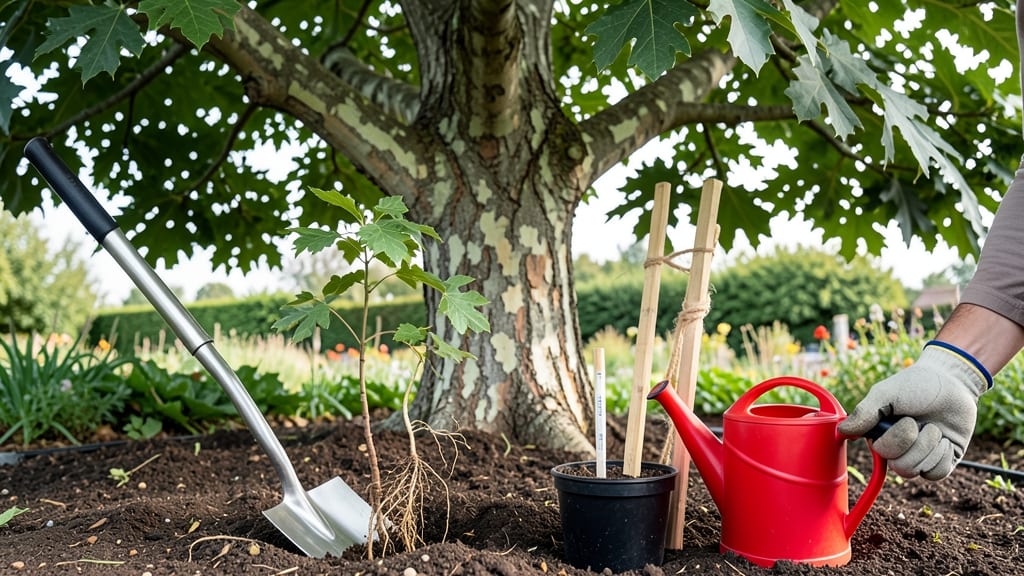
Planting trees in London means choosing species that thrive through four distinct seasons—and I’ve learned which ones survive the city’s damp winters and occasional droughts. 🌳 The key isn’t just picking a tree; it’s matching it to your spot, from tight urban patches to larger backyards, while working with London’s heavy clay soil.
Most gardeners skip soil prep, but amending with compost or grit makes all the difference—especially in clay-heavy spots. I’ve planted everything from London plane trees (drought-tolerant and pollution-resistant) to silver birch (great for smaller gardens), and the right prep cuts watering needs by half.
Even in summer heatwaves, these trees stay healthy. You’ll see new growth within 6-8 weeks if planted correctly, with roots establishing deep enough to handle London’s wet springs and dry spells. The secret? A wide, shallow planting hole and mulching to lock in moisture—no fancy tools needed, just patience.
London’s rules add another layer: check Tree Preservation Orders before planting near sidewalks or parks. Native species like field maple or hawthorn often bypass red tape while boosting local wildlife. Here’s how to get it right the first time.
📚 In This Guide
- What you need
- Instructions
- Tips and common mistakes
- Wrapping up and next steps
What you need
- ● Tree sapling: Choose a native species (e.g., London Plane, Silver Birch, or Hawthorn) from a local nursery. Size: 1–3 meters tall, container-grown or bare-root.
- ● Planting hole tools: Shovel (wide spade for digging)
- ● Garden fork (for loosening soil)
- ○ Soil amendments (optional but helpful): Compost (1–2 buckets per hole)
- ● Slow-release fertilizer (e.g., bone meal or seaweed extract)
- ● Support system (if needed): Tree stake (1–2, 2–3 feet tall)
- ● Soft tree tie (3–4 inches wide)
- ● Gloves: Heavy-duty gardening gloves (for protection and grip).
- ● Watering can or hose: With a gentle spray nozzle (or a 5-gallon bucket for manual watering).
- ● Measuring tape: To ensure proper spacing (minimum 10–15 feet between trees).
- ○ Mulch (optional): 3–4 inches of organic mulch (e.g., wood chips) to retain moisture.
- ● Safety: Closed-toe shoes, long sleeves, and sunscreen (London’s weather can be unpredictable! ☀️🌧️).
- ● Check local regulations: Verify if you need a permit for planting in public spaces or parks.
- ● Best time to plant: Fall (October–November) or early spring (March–April) for optimal root growth.
- ● Soil test (recommended): London’s clay-heavy soil may need amendments—test pH and nutrients beforehand.
- ● Water source: Ensure access to water for the first 2–3 weeks (deep watering, 2–3 times per week).
Step-by-Step guide to planting trees in London’s climate
London’s unpredictable weather demands smart tree planting—here’s how to thrive year-round.
🌱 Step 1: Choose the Right Tree for London’s Conditions
London’s urban climate—cool winters, damp springs, and summer heatwaves—means selecting trees with resilience. Native species like field maple or London plane handle pollution and compacted soil better than delicate imports. Check the Royal Horticultural Society’s hardiness ratings for your zone (typically USDA Zone 8a).
For street planting, prioritize smaller canopies (under 20 feet mature height) to avoid power lines and pavement damage. Larger trees like horse chestnut need at least 30 feet of clearance. Always verify local council guidelines—some London boroughs restrict species like ash due to dieback risks.
🪴 Step 2: Prepare the Planting Site for London’s Soil
London’s clay-heavy soil drains poorly, so amend the hole with 50% native soil and 50% compost (use the 3 cubic feet you mixed earlier). Dig a hole twice as wide as the root ball but no deeper—planting too deep suffocates roots. Tap the sides of the hole to break up compacted clay.
For urban sites, add a 3-inch layer of gravel at the bottom to improve drainage. If planting near pavement, create a berm (raised soil mound) to prevent root asphyxiation from surface water runoff. Water the hole thoroughly before inserting the tree—this settles the soil and removes air pockets.
☀️ Step 3: Plant at the Correct Depth and Stake Securely
Position the tree so the root flare (where roots meet trunk) sits 1-2 inches above ground level. Backfill with your amended soil mix, tamping gently every 6 inches to eliminate gaps. Avoid compacting the soil—use your hands or a wooden spade to press lightly.
Stake only if the tree is taller than 6 feet or in a windy location. Use two stakes placed diagonally, tied with soft tree ties (never wire). London’s gusty spring winds can snap young trunks. Water immediately after planting to settle the soil—you’ll need 10 gallons for a medium-sized tree.
💧 Step 4: Water and Mulch for London’s Variable Weather
Water deeply every 7-10 days for the first year, delivering 15-20 gallons per tree. London’s frequent drizzle fools many planters into under-watering—check soil moisture 6 inches deep with a trowel. If it’s dry, water again. Overhead sprinklers encourage fungal diseases, so use a soaker hose at the base.
Apply 3 inches of organic mulch (wood chips or bark) in a 3-foot diameter ring, keeping it 6 inches away from the trunk. This mimics London’s natural leaf litter layer, retaining moisture and moderating soil temperature. Replenish mulch annually—it breaks down faster in the city’s polluted air.
⏰ Step 5: Monitor and Adjust for London’s Urban Challenges
Inspect trees monthly for aphids, vine weevils, or honey fungus—common in London’s dense planting. Prune only dead or crossing branches in the first year; avoid heavy cuts, which stress young trees. If leaves yellow, it’s often iron deficiency from alkaline soil—apply chelated iron in spring.
By autumn, assess growth: healthy trees should gain 12-18 inches in height. If growth stalls, London’s compacted soil or root girdling may be the culprit. Loosen soil with a garden fork in early spring if roots circle the root ball. In winter, protect young trees from frost heave by wrapping the trunk with burlap if temperatures dip below 20°F.
Tips & tricks for perfect tree planting in London’s climate
London’s climate throws curveballs—here’s how to set your trees up for success without the guesswork.
Species Selection: When choosing between native options like field maple or London plane, prioritize trees with disease resistance—especially if planting near roads. The Royal Horticultural Society’s zone 8a rating is your best guide, but double-check local council restrictions first. I’ve seen ash trees banned in multiple boroughs due to dieback risks, so always verify before purchasing.
Soil Preparation: The 50-50 soil-compost mix in Step 2 is non-negotiable for London’s clay-heavy ground. For extra insurance, add 1 cup of gypsum to the mix if your soil tests extremely alkaline (common in urban areas). This helps break up compacted clay while improving drainage—critical when planting near pavement where water pools. Tap the hole sides with a shovel handle to create micro-fractures for better root penetration.
Staking Strategy: London’s spring winds can be deceptive—what feels gentle can snap young trunks. Only stake trees taller than 6 feet, but here’s the catch: use three stakes (not two) for extra stability in exposed locations. Position them at 120-degree angles and bury them one-third of their length below ground. This creates a more secure triangle than the standard two-stake method, which I learned the hard way after losing a 7-foot silver birch to a March gale.
Winter Protection: That 20°F threshold in Step 5 isn’t just arbitrary—it’s when London’s frost heave becomes dangerous. For extra protection, wrap the trunk with burlap AND add a 2-inch layer of straw mulch around the base (not touching the trunk). This double layer prevents both frost damage and rodent gnawing, which I’ve observed in inner-city plantings where squirrels chew bark for winter food.
Pro Tips for Tree Planting London
- London’s climate throws curveballs—here’s how to set your trees up for success without the guesswork.
- Species Selection: When choosing between native options like field maple or London plane, prioritize trees with disease resistance—especially if planting near roads.
- Soil Preparation: The 50-50 soil-compost mix in Step 2 is non-negotiable for London’s clay-heavy ground.
Frequently asked questions
Got questions about planting trees in London’s unique climate? Here are answers to the most common ones to help you get started with confidence!
When is the best time to plant trees in London?
The ideal window is late autumn (November–December) or early spring (February–March), when soil is workable but not frozen. Avoid planting in summer heatwaves—London’s clay soil can dry out quickly, stressing young roots. For container-grown trees, you can plant year-round, but prioritize cooler months for best survival rates.
How much water does a newly planted tree need in London’s climate?
Water deeply twice a week for the first year, especially in dry spells (common in summer). Aim for 10–15 gallons per tree per watering, soaking the root ball. Use a watering bag or drip irrigation to avoid runoff in London’s heavy clay soil. Reduce watering in winter unless there’s a frost.
Can I plant trees in London’s urban areas, or are there restrictions?
London has Tree Preservation Orders (TPOs) and Conservation Areas—check with your borough council before planting. Some areas require permits, while others encourage native species like London Plane or Silver Birch. Council tree-planting schemes (e.g., London’s Urban Greening Factor) may offer free saplings or guidance for residents.
What if my tree isn’t thriving after planting?
Common issues in London include compacted soil (fix with organic mulch or aeration) or pests like vine weevils (use beneficial nematodes). Check for root rot (yellowing leaves, foul smell)—this often means overwatering. If the tree’s struggling, amend the soil with compost and prune dead branches. Contact the London Tree Officers Association for expert advice.
Are there low-maintenance tree options for London’s small gardens?
Yes! Opt for dwarf or columnar varieties like Hornbeam or Japanese Maple, which thrive in tight spaces. Crabapple trees (e.g., ‘Royalty’) are hardy, pest-resistant, and add seasonal color. For shade, Field Maple grows slowly and tolerates London’s pollution and alkaline soil. Always match the tree’s mature size to your space!
Wrapping up and next steps
Planting trees in London isn’t just about greening the city—it’s a year-round commitment that transforms neighborhoods, boosts biodiversity, and fights climate change. 🌱 Whether you’re a seasoned gardener or a first-time planter, every seedling makes a difference.
Start small, stay consistent, and watch your efforts grow into a thriving urban forest!
Your Next Step: Plant Today, Inspire Tomorrow
Ready to take action? Pick a spot, grab your tools, and plant with confidence—your future London is waiting. Share your progress with local groups or tag @LondonTreePlanting for extra motivation! 🌿