
Pruning
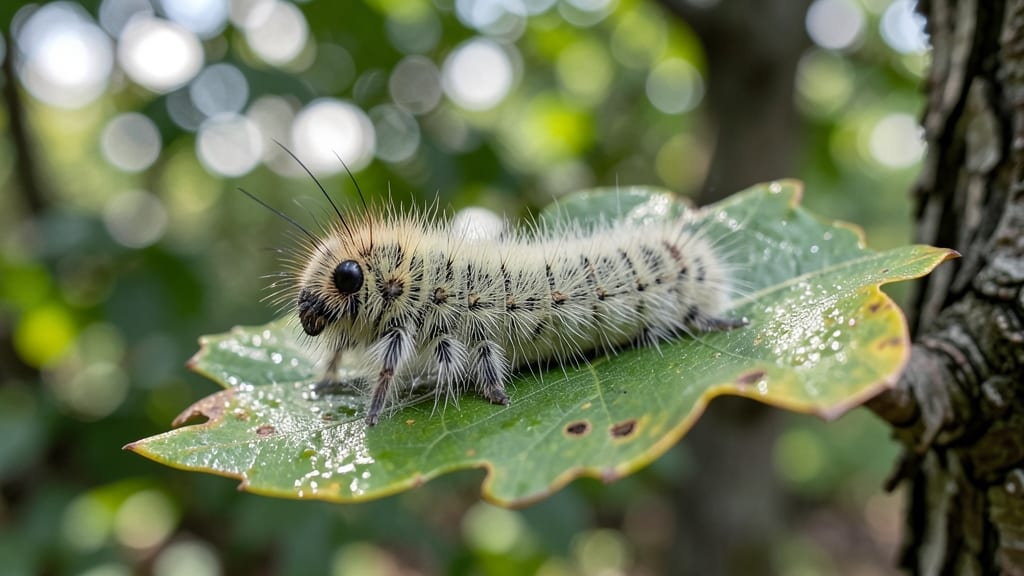
Tree insects identification starts with noticing tiny clues hidden in plain sight—those mysterious holes, webbing, or skeletonized leaves that tell a story only gardeners learn to read. 🌿 Last summer, my oak tree’s leaves looked like lace after a caterpillar buffet, and I had no idea what was munching away until I spotted the telltale signs: chewed edges, silken threads, and a swarm of fuzzy green larvae clinging to the undersides.
The key is matching damage patterns to the culprit: sawfly larvae leave windowpane-like holes, while gypsy moths strip leaves entirely, leaving only veins. Bark beetles create D-shaped exit holes, and aphids coat branches in sticky honeydew.
Most pests target stressed trees, so healthy soil and watering can prevent 80% of infestations before they start.
You’ll learn to spot the difference between harmful pests and beneficial insects—like ladybugs that devour aphids or bees that pollinate—so you can act fast when needed. Early intervention (neem oil, pruning, or introducing predator insects) saves trees from decline, and the right approach depends on what’s actually causing the damage.
This isn’t about panic—it’s about becoming the detective your trees need. With a hand lens, a little patience, and the right knowledge, you’ll go from guessing to solving in minutes. Let’s start with the most common offenders and how to tell them apart.
Root Causes of Tree Insect Attacks
Understanding why insects target trees is key to preventing damage before it starts. These tiny invaders don’t just appear out of nowhere—they’re drawn to specific conditions that make your trees vulnerable. Here’s why they strike and how environmental or tree health factors play a role.
A healthy tree is like a fortress with strong walls, but stress weakens those defenses. Insects like emerald ash borers or gypsy moth caterpillars zero in on trees that are already struggling. Here’s why:
- Nutrient Deficiencies 🌿 Trees lacking essential nutrients (like nitrogen, phosphorus, or potassium) produce weaker leaves and bark—perfect snack material for insects. A simple soil test can reveal imbalances, and targeted fertilizers can restore vigor.
- Drought or Overwatering 💧 Both extremes stress trees. Drought weakens sap flow, making it easier for sap-sucking insects (like aphids or scale) to feed. Overwatering, meanwhile, creates soggy conditions that attract root-feeding beetles or fungal-loving insects.
- Physical Damage ⚔️ Broken branches, deep cuts from pruning, or storm wounds expose raw tissue. Insects like wood-boring beetles (e.g., bark beetles) detect these openings and lay eggs inside, turning your tree into an all-you-can-eat buffet.
Insects don’t just appear—they’re lured by changes in their habitat. Climate, landscape, and even human activity create perfect storm conditions for infestations.
- Climate Shifts 🌡️ Warmer winters and longer growing seasons expand the range of pests like the spotted lanternfly or pine bark beetles. These insects thrive in mild conditions, while native predators may not keep up.
- Monoculture Plantings 🌲🌲🌲 Planting the same tree species in clusters (e.g., ash trees in a row) makes them a buffet for species-specific pests. Gypsy moths, for example, will devour an entire oak grove if left unchecked.
- Urbanization & Pollution 🏙️ Trees in cities face extra stress from pollution, compacted soil, and limited space. Aphids and mites flourish in these conditions because stressed trees produce more sugary sap—an insect magnet.
Some insects attack trees simply because it’s their job—and when their populations explode, so does the damage.
- Boom-and-Bust Cycles 📈📉 Predatory insects (like lady beetles) keep pest populations in check, but disruptions—such as pesticide use or habitat loss—can throw ecosystems off balance. Without natural predators, caterpillars or beetles multiply rapidly.
- Host Plant Preference 🍃 Many insects are picky eaters. Japanese beetles target roses and grapes, while tent caterpillars focus on fruit trees. If your tree is their preferred meal, they’ll feast until it’s too late.
- Hitchhiking on Humans 🚛🌳 Firewood, nursery plants, or even luggage can transport insects like the emerald ash borer across regions. Once introduced, they have no natural enemies and spread unchecked.
Sometimes insects don’t announce their arrival—they move in quietly. Watch for these early warning signs that your tree is already under siege:
| Symptom | Likely Culprit | What to Do |
|---|---|---|
| Sticky sap (honeydew) | Aphids, scale insects | Blast off with water; introduce ladybugs |
| Sawdust-like frass | Wood-boring beetles | Call an arborist for treatment |
| Chewed leaves (notches) | Japanese beetles, caterpillars | Use neem oil or row covers |
| Wilting branches | Lanternflies, borers | Prune infected areas immediately |
The best defense? Disrupt the conditions that invite pests.
Here’s how: - Diversify your landscape with native plants to confuse insects. - Mulch properly to retain moisture and improve soil health. - Prune correctly—remove deadwood in late winter to deny beetles a nesting site. - Monitor regularly—catch infestations early with sticky traps or soil probes for grubs.
By addressing these root causes, you’re not just treating symptoms—you’re making your trees less appealing to pests in the first place. 🌳🚫🐜
Quick Fixes for Common Tree Pests
Identifying tree insects is just the first step—now it’s time to take action! The right approach depends on the pest, but most solutions fall into a few key strategies: removal, treatment, and prevention.
Below, we’ve mapped the most common leaf-damaging insects to practical fixes, so you can restore your tree’s health without overcomplicating things.
Problem: Sticky residue, curled leaves, or weakened growth. Solutions:
- 🔥 Pressure Wash (Week 1): Use a strong hose nozzle to dislodge aphids and scale from branches. Focus on undersides of leaves where they hide.
- 🍳 Manual Removal (Week 2): Scrape off scale insects with a plastic scraper or stiff brush (metal can harm bark). Drop them into soapy water to kill them.
- 👨🍳 Organic Spray (Week 3): Mix 1 tsp dish soap + 1 quart water in a spray bottle. Test on a small area first—aphids hate it! For scale, try neem oil (1 tbsp per gallon of water).
- 🥘 Beneficial Insects: Release ladybugs or lacewings (available at garden centers) to eat aphids naturally.
💡 Prevention Tip: Prune to improve airflow—aphids love crowded, shaded trees. Apply horticultural oil in early spring to smother overwintering eggs.
Problem: Defoliation, webs, or frass (caterpillar poop) raining down. Solutions:
- 🔪 Prune & Burn (Immediate): Cut off heavily infested branches and burn them (check local burn rules first). Bagging and trash disposal works too.
- 🥘 Burlap Bands (Spring): Wrap tree trunks with burlap strips to trap crawling caterpillars. Check weekly and drown them in soapy water.
- 🍳 Pheromone Traps (Early Season): Hang gypsy moth traps (available at garden stores) to monitor and reduce mating. Replace traps annually.
- 🌡️ BT Spray (Last Resort): Apply Bacillus thuringiensis (BT)—a natural bacterial spray safe for humans but deadly to caterpillars. Reapply after rain.
✨ Pro Tip: Plant milkweed or parsley nearby to attract parasitic wasps, which hunt caterpillars.
Problem: D-shaped holes, sawdust-like frass, or wilting branches. Solutions:
- 🔪 Remove Infested Wood (ASAP): Cut and dispose of heavily bored branches. Do not compost—borers can survive.
- 🥘 Seal Entry Points: Fill holes with tree sealant or caulk to block new beetles. For large infestations, consult an arborist about injective systemic pesticides.
- 🌡️ Heat Treatment (For Severe Cases): Professional arborists can use steam or hot water injections to kill larvae inside the trunk.
- 🎯 Prevent Future Attacks: Keep trees healthy with proper watering and mulching. Weak trees attract borers!
💡 Prevention Tip: Avoid over-fertilizing—stressed trees are borer magnets. Mulch 3–4 inches deep (but not touching the trunk) to deter beetles.
Problem: Skeletons of leaves, chewed flowers, and metallic green beetles. Solutions:
- 👨🍳 Handpick Daily (Morning): Drop beetles into soapy water—they’re easiest to spot when they first emerge in late June.
- 🥘 Milky Spore Treatment (Long-Term): Apply milky spore powder to the soil. It spreads naturally and kills beetle grubs for years.
- 🍳 Neem Oil Spray (Weekly): Spray neem oil + water on leaves to deter feeding. Reapply after rain.
- 🔥 Avoid Traps Near Trees: Commercial traps attract more beetles—place them far from your yard if you must use them.
🎯 Pro Tip: Plant tall grasses or marigolds as a sacrificial trap crop to lure beetles away from prized trees.
When to Call a Pro: If you see large exit holes, oozing sap, or widespread dieback, the infestation may be beyond DIY fixes. An arborist can assess damage and recommend targeted treatments like soil drenches or trunk injections.
Frequently asked questions
How do I tell the difference between harmful and beneficial tree insects?
Look for behavior and damage patterns. Beneficial insects like ladybugs or lacewings have oval spots and eat pests like aphids. Harmful ones leave visible damage: gypsy moth caterpillars skeletonize leaves, while aphids create sticky honeydew. Check for chewed edges or frass (insect poop) as red flags.
What’s the best time of year to inspect trees for insect damage?
Early spring and late summer are ideal. In spring, look for egg masses or overwintering pests. In late summer, check for new larvae or adult beetles. Avoid inspecting during extreme heat or cold when insects are less active.
Can I use household items to treat tree pests organically?
Yes! Mix 1 tsp dish soap + 1 quart water in a spray bottle for aphids or mites. For scale insects, scrape them off with a plastic scraper and drop into soapy water. Neem oil (1 tbsp per gallon) works for many pests—just test on a small area first.
What should I do if I find wood-boring beetles in my tree?
Act fast! Remove and destroy infested branches (don’t compost). Seal fresh holes with tree sealant to block new beetles. For severe cases, consult an arborist about injective pesticides or heat treatments. Weak trees attract borers—keep yours healthy with proper watering.
How do I know if my tree is already too damaged to save?
Look for these signs: large exit holes, oozing sap, or widespread dieback. If the tree is more than 50% defoliated or has multiple trunk infections, it may be beyond saving. Call an arborist to assess structural risks before removal.