
Pruning
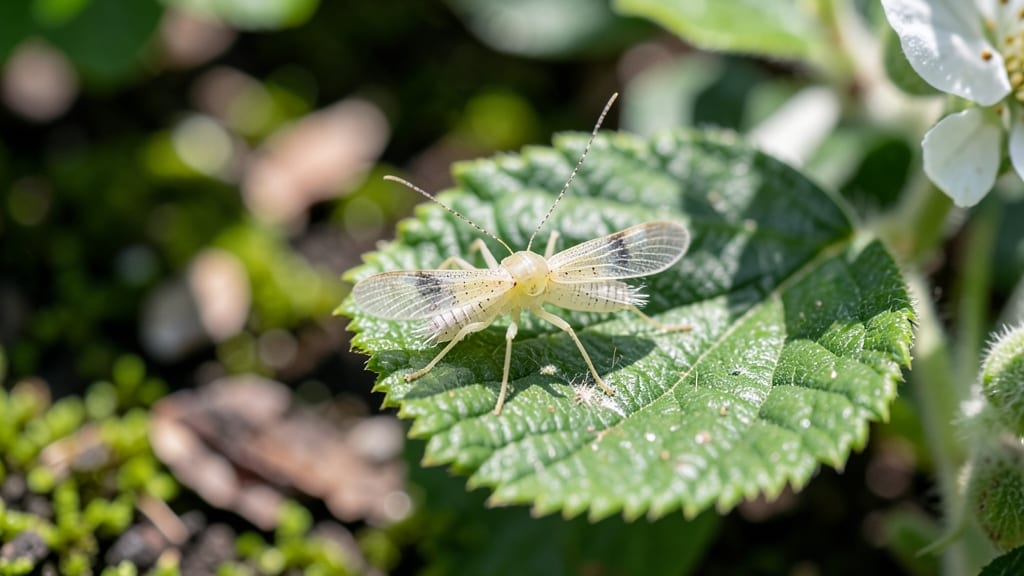
Apple tree leaf bugs can turn your harvest dreams into a nightmare if left unchecked. 🌿 I’ve battled aphids, mites, and leafhoppers on my own trees, and the key to saving your fruit starts with spotting the right pests early—before they skeletonize leaves or spread diseases like fire blight.
The worst part? These tiny invaders multiply fast, and by the time you notice yellowing leaves or sticky residue (aphid honeydew), they’ve already weakened your tree.
But here’s the good news: most leaf bugs respond to simple, organic fixes—like blasting them off with water or introducing ladybugs—before you need heavy-duty sprays.
You’ll learn to tell the difference between harmless lacewings and destructive caterpillars, plus 3 easy control methods that work in spring, summer, and fall. No more guessing whether those tiny specks are pests or just beneficial insects doing their job.
Whether you’re dealing with a new infestation or just want to prevent one, this guide gives you the tools to keep your apple trees healthy and productive—without chemicals. Let’s get your orchard back in balance.
Root Causes of Leaf Damage
When tiny pests like apple tree leaf bugs (often including aphids, mites, or leafhoppers) invade your orchard, they don’t just appear out of nowhere—they’re drawn by specific conditions that make your trees vulnerable.
Understanding these triggers is the first step to prevention. Below, we break down the key reasons these pests target your apple trees and how their behavior escalates damage.
Stressed trees are like all-you-can-eat buffets for leaf bugs. When apple trees struggle due to poor nutrition, drought, or disease, their defenses weaken, making them prime targets. Here’s why:
- Nutrient Deficiencies: Trees deficient in nitrogen, potassium, or magnesium produce tender, nutrient-rich leaves that pests adore. A quick soil test can reveal imbalances—often corrected with organic compost or balanced fertilizers.
- Water Stress: Overwatering or drought weakens cell walls, making leaves easier for bugs to pierce and feed on. Aim for 1–1.5 inches of water per week, adjusting for rain.
- Disease Pressure: Fungal infections (like apple scab) create wounds and sap oozing, which attract aphids and mites. Prune infected branches immediately and apply copper fungicide preventatively.
Pro Tip: 🌿 Mulch with wood chips or straw to retain moisture, regulate soil temperature, and deter pests naturally.
Apple trees with dense canopies or unpruned branches create the perfect hiding spots for leaf bugs. Here’s how overgrowth fuels infestations:
- Shaded Leaves: Bugs thrive in low-light conditions where leaves stay damp longer. Prune to open the canopy and improve airflow, reducing humidity—a mites’ and aphids’ favorite environment.
- Sap Flow Disruptions: Overcrowded branches slow sap circulation, making trees more susceptible to pests that feed on sap (like leafhoppers). Thin branches to 6–12 inches apart for optimal growth.
- Debris Buildup: Fallen leaves and fruit mats harbor overwintering eggs. Rake and remove debris year-round to break the pest life cycle.
Action Step: 🔪 Prune in late winter (before buds swell) to remove 20–30% of the canopy and prioritize crossing branches that block sunlight.
Some apple trees are simply more appealing to leaf bugs due to their natural chemistry or habitat. Here’s what makes your trees a magnet:
- Young, Tender Leaves: New growth in spring is packed with sugars, making it a feast for aphids and mites. Monitor leaf emergence and apply neem oil as a deterrent.
- Scent Trails: Leafhoppers and aphids follow pheromones released by existing infestations. Isolate heavily infested trees to prevent spread.
- Wildlife Corridors: Birds, deer, and even neighboring fruit trees can carry pests. Create a 10-foot buffer zone with pest-resistant plants like garlic or marigolds.
Science Note: 🔬 Some apple varieties (e.g., Granny Smith) are more resistant to pests due to higher tannin levels—consider grafting if bugs are chronic.
By addressing these root causes—stress, overgrowth, and attractants—you’re not just treating symptoms but starving the problem at its source. Next, we’ll dive into organic control methods to kick these pests off your trees for good.
Quick Fixes for Leaf Bug Woes
If your apple tree’s leaves are looking ragged, spotted, or riddled with tiny pests, it’s time to act—but don’t stress! These organic, practical solutions will help you reclaim a healthy, thriving tree without harsh chemicals.
Below, we’ve matched common causes to targeted fixes, plus pro tips to keep bugs at bay for good.
Problem: Dense foliage traps moisture, creating the perfect hideout for leaf bugs and their allies (like aphids or mites).
Fix It: ✅ 🌿 Prune Strategically
- Trim back overlapping branches to improve airflow. Focus on:
- Crossing branches (rubbing against each other).
- Suckers (shoots growing from the base or trunk).
- Dead or diseased wood (sterilize pruners with rubbing alcohol between cuts).
- When to do it: Late winter or early spring (before bugs wake up) or immediately after harvest (summer).
✅ 🍂 Thin Out Leaves (If Needed)
- For severely infested trees, remove 20–30% of the smallest, most damaged leaves to reduce bug populations. Drop them in a sealed bag—do not compost!
💡 Pro Tip: Prune on a dry, sunny day to help wounds dry faster and discourage fungal growth.
Problem: Tiny bugs like apple leafcurling midges, aphids, or lace bugs leave behind sticky honeydew and yellowed leaves.
Fix It: ✅ 💦 Blast Them Away
- Strong water spray (hose end nozzle) can knock off eggs and adults. Do this:
- Early morning (bugs are sluggish).
- Every 3–5 days until new growth appears.
- Bonus: Use a soapy water mix (1 tsp mild dish soap per gallon) for extra stickiness.
✅ 🕷️ Introduce Beneficial Bugs
- Ladybugs, lacewings, or parasitic wasps love to snack on sap-suckers. Buy them online or attract them with:
- Dill, fennel, or yarrow planted nearby.
- A shallow water dish with pebbles (for adult bugs to drink).
✅ 🍋 Neem Oil Spray (Organic Knockout)
- Mix 1 tbsp neem oil + 1 tsp mild soap + 1 quart water. Spray under leaves (where bugs hide) and repeat every 7–10 days until pests vanish.
- Timing: Apply in early evening to avoid harming bees.
🔥 Pro Tip: Shake the tree gently over a tarp before spraying—this dislodges hidden bugs and eggs!
Problem: Bug damage weakens trees, making them prone to powdery mildew, sooty mold, or leaf spot—which bugs love too.
Fix It: ✅ 🌱 Boost Tree Health
- Fertilize in early spring with compost or a balanced organic fertilizer (10-10-10). Avoid nitrogen-heavy mixes—they encourage soft, bug-loved growth.
- Mulch properly: Spread 2–3 inches of wood chips (not fresh sawdust) 3 inches away from the trunk to retain moisture without suffocating roots.
✅ 🧼 Clean Up Debris
- Rake and remove fallen leaves (where fungal spores and bug eggs overwinter). Bag and trash them—don’t compost!
✅ 🌿 Copper Fungicide (Last Resort)
- For stubborn mildew, use copper spray (like Bonide Copper Fungicide) every 10–14 days until the issue clears. Follow label instructions!
🌡️ Pro Tip: Water at the base (not overhead) to keep leaves dry and fungal spores at bay.
Once your tree is healthy, lock in those gains with these habits:
🎯 🌿 Year-Round Tree Care Checklist - Spring: Prune, apply neem oil, and plant bug-repelling herbs (basil, thyme, rosemary). - Summer: Monitor undersides of leaves weekly.
Use kaolin clay (like Surround WP) as a natural barrier. - Fall: Rake leaves, sterilize tools, and mulch before winter. - Winter: Inspect bark for overwintering eggs (scrape off with a plastic scraper).
💡 Pro Tip: Plant companion plants like garlic, chives, or marigolds near your apple tree—they confuse pests with their strong scents!
Remember: Consistency is key! Bugs thrive when trees are stressed, so stay vigilant but keep it simple. With these fixes, your apple tree will be bug-free, lush, and fruiting like a pro in no time! 🍏✨
Frequently asked questions
What are the most common apple tree leaf bugs I should watch for?
The worst offenders are aphids (tiny green/black clusters), apple leafcurling midges (yellowish larvae rolling leaves), lace bugs (lacewing-like adults with black spots), and spider mites (tiny red specks on leaf undersides). Check undersides of leaves first—most bugs hide there!
How do I tell if my apple tree bugs are harmful or beneficial?
Look for damage signs: harmful bugs (like aphids) leave sticky honeydew, curled leaves, or yellow spots. Beneficial bugs like lacewings or ladybugs have delicate wings, eat pests, and don’t damage foliage. If you see lacewings, keep them—they’re your free pest control!
Will homemade sprays really work against apple tree leaf bugs?
Yes! A soapy water spray (1 tsp mild dish soap per gallon) or neem oil mix (1 tbsp neem + 1 tsp soap per quart) can kill 70-90% of soft-bodied bugs like aphids when applied every 7-10 days. For tougher pests, add 1 tsp horticultural oil to the mix. Just reapply after rain!
Can I use chemical pesticides safely on my apple tree?
Only as a last resort! If you must use chemicals, choose organic-approved options like pyrethrin (derived from chrysanthemums) or kaolin clay (Surround WP). Avoid systemic pesticides—they can harm bees and contaminate fruit. Always spray early morning or evening when pollinators are inactive.
Why do my apple tree bugs keep coming back even after treatment?
Bugs return when their food source (your tree) stays stressed or when you miss hidden eggs. Focus on 3 key fixes: prune for airflow, remove fallen leaves (where eggs overwinter), and fertilize properly (nitrogen-heavy fertilizers attract more pests). Consistency matters—treat every 2-3 weeks during growing season!