
Pests
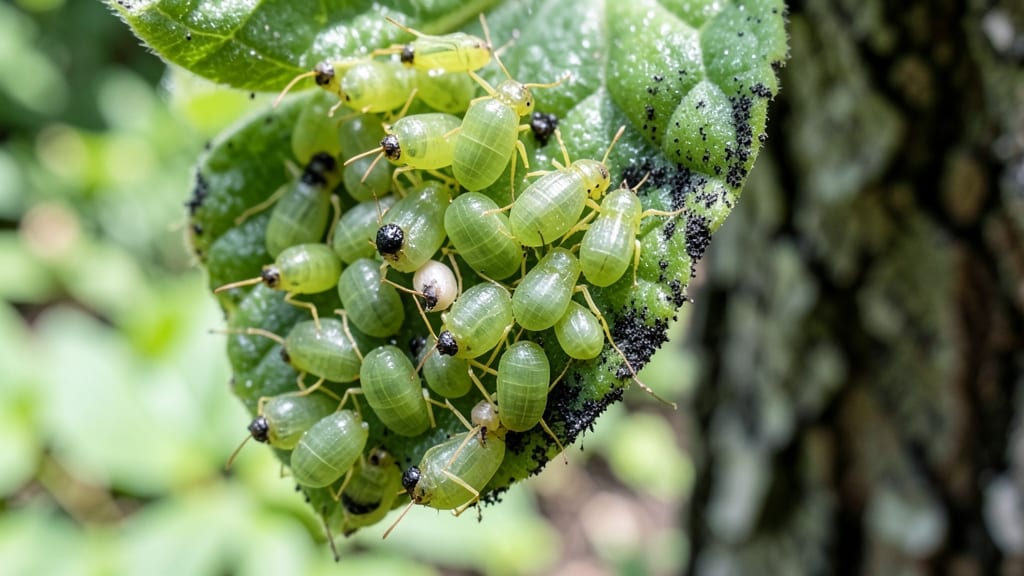
The first sign is usually a white, waxy residue on leaves or branches, followed by curled, yellowing foliage. Aphids thrive when trees are stressed, so drought or over-fertilizing often invites them. But even healthy trees get visits—it’s all about timing your defense right.
With a simple soapy water spray or neem oil mix, you can knock back an infestation fast. The key is hitting them when they’re most vulnerable (early morning or late evening). I’ve seen trees recover in as little as 2-3 days of consistent treatment.
If the tree is young or the infestation is severe, don’t hesitate to call an arborist. But for most gardeners, this natural spray method works like a charm—no gloves, no masks, just results.
The Hidden Triggers Behind Aphid Attacks
When your tree suddenly becomes a buffet for aphids, it’s rarely a random act of nature. These tiny sap-sucking pests don’t just appear—they’re drawn by specific conditions that make your tree a prime target.
Understanding why aphids choose your tree is the first step to stopping them. Let’s break down the science behind their infestation habits.
Aphids thrive where trees are stressed, and their favorite menu includes trees with compromised immune systems. Here’s how it happens:
- Nutrient Deficiencies: Trees low in nitrogen, phosphorus, or potassium struggle to produce the sticky resin (called aphid alarm pheromones) that normally repels aphids. A quick soil test can reveal if your tree is malnourished—look for yellowing leaves or stunted growth as red flags.
- Drought or Overwatering: Both extremes stress trees. Drought weakens roots, while soggy soil suffocates them. Aphids detect these distress signals through volatile organic compounds (VOCs) released by stressed foliage—like a dinner bell ringing in their tiny heads.
- Pest or Disease Damage: If your tree has already battled mites, borers, or fungal infections, it’s more vulnerable. Aphids exploit these openings, often moving in after other pests have weakened the tree’s defenses. Think of it as nature’s version of opportunistic squatters.
Actionable Fix: Boost your tree’s health with a balanced fertilizer (like a 10-10-10 NPK ratio) and ensure proper watering—deep but infrequent, about 1 inch per week.
Aphids have a sweet tooth—for new shoots. Young, tender leaves and stems are packed with easily accessible sap, making them an aphid’s dream snack. Here’s the science:
- High Sugar Content: New growth is rich in simple sugars, which aphids love. Their saliva contains enzymes that break down complex plant sugars into a form they can slurp up—like a natural smoothie for them.
- Thin Cell Walls: Mature leaves have thicker, tougher cell walls, but young leaves are soft and easy to pierce. Aphids use their stylet (a mouthpart like a microscopic straw) to tap into the phloem, where sap flows freely.
- Ant Attraction: Aphids secrete honeydew (a sugary waste product), which attracts ants. These ants protect aphids in exchange for honeydew, creating a mutualistic relationship. If you spot ants climbing your tree, aphids are likely nearby.
Actionable Fix: Prune new growth regularly to remove aphid hotspots. If your tree is a frequent aphid magnet, consider delayed pruning—trim in late summer or early fall when new growth slows.
Aphids are cold-sensitive, and their populations explode when conditions are just right. Climate plays a huge role:
- Mild Winters: If your region has winters above 20°F (-6°C), many aphid species survive the cold, only to multiply rapidly in spring. Some even reproduce asexually (no males needed!), leading to exponential growth.
- Warm Springs: Temperatures between 60–80°F (15–27°C) are ideal for aphid reproduction. They can produce dozens of offspring in weeks, turning a single infestation into a full-blown crisis.
- Dry, Sunny Conditions: While aphids dislike extreme heat, they thrive in warm, dry weather because it reduces natural predators like ladybugs and lacewings. These predators need moisture to survive, so drought indirectly helps aphids take over.
Actionable Fix: Monitor aphid activity in early spring. If you live in a mild-climate zone, consider early-season sprays (like neem oil) to disrupt their life cycle before they explode in numbers.
Aphids spread faster when trees are planted too closely together. Here’s why:
- Shared Pheromones: Aphids release aggregation pheromones to signal others that a tree is a good food source. In dense plantings, these signals amplify, drawing more aphids faster than in isolated trees.
- Limited Airflow: Crowded trees create microclimates with higher humidity and less wind, which aphids prefer. Poor airflow also slows the evaporation of honeydew, making trees stickier and more attractive to ants.
- Genetic Uniformity: If you’ve planted the same tree species in a row (like a monoculture orchard), aphids specializing in that species can spread unchecked. No genetic diversity means no natural resistance.
Actionable Fix: Space trees according to their mature size and avoid planting large numbers of the same species in one area. If you must group trees, interplant with aphid-resistant varieties (e.g., some aphid-resistant rose cultivars).
Now that you know why aphids are crashing your tree’s party, the next step is kicking them out—fast. But first, check your tree’s health: is it thirsty, hungry, or just tired? Fixing the root cause is the best way to send aphids packing for good.
Quick Fixes for Sap-Sucking Trouble
Discovering aphids feasting on your tree can feel like watching a tiny army invade your garden—frustrating, but not hopeless! The good news? You don’t need harsh chemicals to kick them out. With a few targeted strategies, you can restore your tree’s health in 30 minutes or less.
Below, we’ll map the most common causes of aphid infestations to practical, eco-friendly fixes—plus tips to keep those sticky pests away for good.
Aphids love stressed trees, so the first step is to give your tree a fighting chance. Weak or overcrowded foliage attracts more pests, making your tree an all-you-can-eat buffet for aphids.
🔥 Strengthen the Tree’s Immunity
- Prune wisely: Trim back overgrown branches (especially dense, shaded areas) to improve airflow. Pro tip: Use sterilized shears to avoid spreading disease. 🌡️
- Water deeply: Drought-stressed trees are aphid magnets. Water at the base (not the leaves) to encourage strong roots. Aim for 1–2 inches per week.
- Fertilize naturally: A balanced organic fertilizer (like compost or fish emulsion) gives trees the nutrients they need to fight back. Avoid synthetic fertilizers—they can attract more pests.
🍳 Introduce Beneficial Insects (Nature’s Pest Control)
- Ladybugs: Release 1,000–2,000 ladybugs near the infested area—they’ll devour aphids in days. Buy them online or at garden centers. 🐞
- Lacewings: These nocturnal predators love aphids. Hang lacewing egg cartons near your tree for instant relief.
- Parasitic wasps: Tiny but mighty! Aphidius colemani wasps lay eggs inside aphids, killing them naturally. (Yes, they’re weirdly cool.)
Aphids excrete honeydew, a sugary goo that attracts ants, molds, and sooty mold—turning your tree into a sticky mess. Here’s how to clean it up without damaging the plant.
👨🍳 DIY Honeydew Removal
- Blast it off: Use a hose with a gentle spray nozzle to wash away honeydew from leaves and bark. Do this early in the morning so the tree has time to dry.
- Neem oil spray: Mix 1 tsp neem oil + 1 tsp mild soap + 1 quart water in a spray bottle. Coat the leaves thoroughly—neem disrupts aphid feeding and repels future infestations. ✨
- Vinegar rinse (for severe cases): Spray a 1:1 water-vinegar solution on the tree (test a small area first). The acidity kills aphids on contact but may burn tender leaves, so use sparingly.
🔪 Prevent Sooty Mold
- Scrub moldy bark: Use a soft brush and soapy water to remove black sooty mold from trunks and branches.
- Encourage ant control: Ants farm aphids for honeydew. Sprinkle diatomaceous earth around the tree base or use borax bait stations to deter them.
If aphids keep coming back, you’ll need a two-pronged attack: knock them out now and fortify your tree’s defenses for the long term.
🥘 Homemade Sprays That Work
| Solution | How to Use | Why It Works |
|---|---|---|
| Insecticidal Soap | Mix 2 tbsp castile soap + 1 quart water. Spray directly on aphids. | Breaks down their protective wax layer. |
| Garlic Pepper Spray | Blend 4 garlic cloves + 1 tbsp cayenne + 1 quart water. Strain and spray. | Repels aphids with a natural stink bomb. |
| Potato Leaf Spray | Boil potato peels, strain, and spray on leaves. | Contains solanine, toxic to aphids. |
🌡️ Heat or Cold Treatment (For Stubborn Cases)
- Boiling water: In early spring, pour boiling water directly on aphid-heavy branches (works best for small trees).
- Freeze them out: On cold nights (below 32°F), aphids die off. Use this as a natural reset before new growth starts.
An ounce of prevention is worth a pound of cure—especially when dealing with aphids. Here’s how to outsmart them before they strike again.
- 🎯 Plant aphid-repelling companions: Marigolds, basil, and garlic chives confuse aphids with their strong scents.
- 🌿 Mulch properly: Use wood chips or straw to retain moisture and block ants (who recruit aphids).
- 🔥 Inspect regularly: Check new growth and undersides of leaves weekly. Early detection = easier fixes.
- 🌡️ Avoid over-fertilizing: Too much nitrogen = soft, aphid-loving leaves. Stick to balanced organic fertilizers.
With these fast, natural solutions, your tree can bounce back in no time. The key? Act quickly, strengthen its defenses, and let nature do the heavy lifting. Soon, your once-sticky, aphid-covered tree will be thriving—without a single chemical in sight! 🌳💚
Frequently asked questions
How do I know if my tree has aphids or just regular dirt?
Aphids leave behind sticky honeydew (not just dust) that attracts ants and creates black sooty mold. Look for tiny green, black, or white insects clustered on new growth or leaf undersides. Rub your fingers gently over leaves—if you feel a waxy residue, it’s likely aphids.
Will neem oil harm my tree if I use it too often?
Neem oil is safe for most trees when used correctly. Apply it every 7-10 days during active infestations, but avoid spraying when temps exceed 85°F (29°C). Always test a small branch first—some sensitive species (like citrus) may show temporary leaf drop.
Why do aphids keep coming back even after I treat them?
New aphids arrive via wind or ants "farming" them. Strengthen your tree’s defenses by pruning for airflow, using aphid-resistant companion plants (like marigolds), and introducing ladybugs or lacewings. Check for hidden infestations on roots or bark too.
Can I use dish soap to kill aphids on fruit trees?
Yes, but only mild, biodegradable dish soap (like Castile). Mix 1 tbsp per gallon of water and spray directly on aphids. Avoid spraying fruit directly—rinse treated areas 24 hours before harvest to prevent residue.
When should I call a professional instead of treating myself?
If your tree is young or valuable, aphids are spreading to other plants, or you see large ant trails (indicating a severe infestation), call an arborist. Also seek help if DIY methods fail after 3 applications over 2 weeks.