
Trees
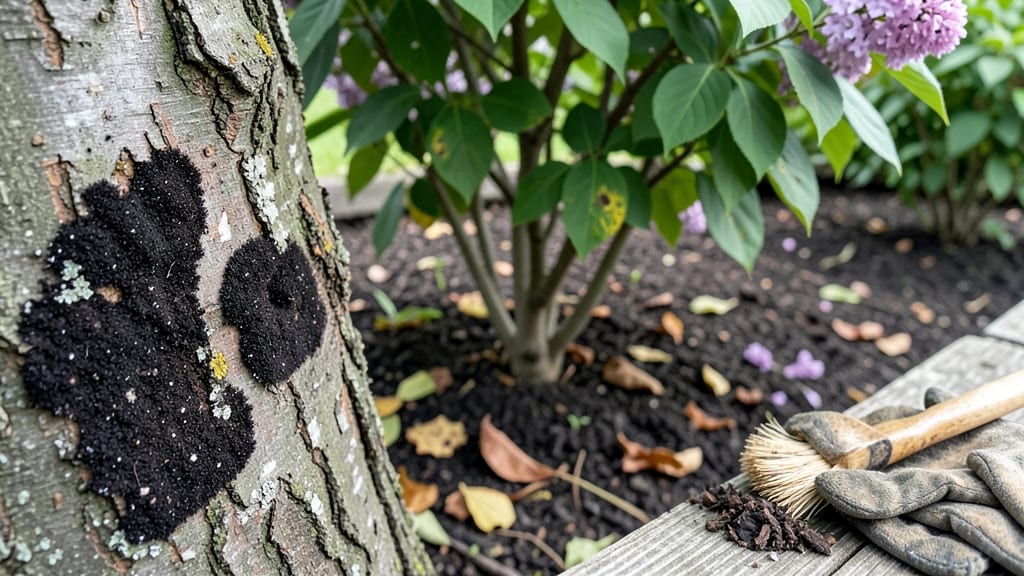
Your lilac tree’s bark fungus isn’t just unsightly—it’s stealing its strength. 🌿 I’ve battled powdery mildew, anthracnose, and bark canker on my own lilacs, and the key to saving them isn’t harsh chemicals but targeted, natural sprays that restore that vibrant green growth you love.
The right approach stops the spread while keeping your tree thriving for years to come.
Fungal infections love damp bark and crowded branches, so the first step is identifying the culprit—powdery mildew leaves white powder, anthracnose creates sunken lesions, and bark canker looks like cracked, oozing wounds.
Once you spot it, act fast: prune infected branches 6 inches below the damage, sterilize tools with rubbing alcohol, and avoid watering overhead to keep bark dry.
Neem oil spray or a baking soda solution (1 teaspoon per quart of water with a drop of dish soap) works wonders when applied every 7-10 days until new growth appears.
For stubborn cases, copper fungicide is the heavy hitter—but even then, prevention matters more than cure. Healthy lilacs start with proper air circulation and sunlight.
With the right care, your tree will bounce back stronger than ever. The secret? Consistency—don’t just treat the fungus, fix the conditions that let it take hold. Your lilacs will reward you with fragrant blooms next spring if you tackle this now.
Root Causes of Bark Fungus
When your lilac tree’s bark starts showing signs of fungus—like dark spots, powdery growth, or oozing lesions—it’s often a cry for help from the tree itself. Understanding why this happens is the first step to restoring its health.
Below, we break down the most common culprits behind lilac tree bark fungus, explained in clear, actionable terms.
Fungi thrive in damp, humid conditions, and lilac trees are particularly vulnerable when their bark stays wet for prolonged periods. Here’s why moisture triggers fungal growth:
- Overwatering or Rainfall: Lilacs prefer well-drained soil, but heavy watering or poor drainage can saturate the bark, creating the perfect breeding ground for pathogens like Venturia (a common lilac fungus) or Botryosphaeria. Even morning dew can linger if airflow is restricted.
- Compacted Soil: If the soil around your lilac is hard or lacks organic matter, water pools at the base, seeping into cracks in the bark. This traps moisture against the tree’s surface, accelerating fungal spores.
- Mulch Piles Too High: Mulch is great for roots, but when piled against the trunk, it can suffocate the bark and retain moisture. Aim for a 2–3 inch layer, keeping it 6 inches away from the trunk.
Actionable Fix: Improve drainage by amending soil with compost, avoid overhead watering (use drip irrigation instead), and prune nearby branches to enhance airflow.
A lilac tree’s bark is its first line of defense, but stress from other factors can weaken it, making it easier for fungi to take hold. Common stressors include:
- Nutrient Deficiencies: Lack of essential nutrients (like nitrogen, phosphorus, or potassium) weakens the bark’s protective layers. Fungi exploit these gaps, often starting as small lesions that expand.
- Physical Damage: Scratches from tools, animal rubs, or even harsh pruning can create entry points for fungal spores. Once inside, pathogens like Cytospora (a bark canker fungus) spread rapidly.
- Pests as Gatekeepers: Insects like borers or scale can compromise the bark’s integrity. Their feeding wounds provide a direct highway for fungal invasion.
Actionable Fix: Conduct a soil test to address deficiencies, use sterilized tools when pruning, and treat pest infestations early with neem oil or insecticidal soap.
Fungal spores are everywhere, but they need a host to thrive. Lilac trees often catch bark fungus from:
- Contaminated Tools or Pruners: If you’ve trimmed an infected tree or bush and then use the same tools on your lilac, spores hitch a ride. Even water from a contaminated hose can spread disease.
- Nearby Infected Plants: Fungi like Anthracnose can jump from roses, viburnums, or other ornamentals to lilacs if they’re planted too closely. Spores travel via wind, rain, or garden tools.
- Old Plant Debris: Leaving fallen leaves, branches, or diseased bark near the base of your lilac creates a spore reservoir. Fungi overwinter in these materials, ready to reinfect when conditions are right.
Actionable Fix: Sterilize pruners with rubbing alcohol between uses, remove fallen debris promptly, and space lilacs at least 3–5 feet apart from other plants.
Lilacs are hardy, but sudden temperature swings—especially from cold winters to hot, humid springs—can shock the tree and lower its resistance to fungal infections. Here’s how:
- Winter Burn: Freeze-thaw cycles can crack bark, creating wounds where fungi like Nectria (a common canker fungus) can establish colonies.
- Spring Moisture Surges: Warm, rainy springs boost fungal spore germination. If your lilac is already stressed from winter, it’s more susceptible to infection.
- Poor Acclimation: Young lilacs or those recently transplanted may not have developed thick bark yet, making them easier targets for pathogens.
Actionable Fix: Mulch heavily in late fall to insulate roots, avoid pruning in late summer/early fall (when new growth is vulnerable), and water deeply but less frequently in spring to reduce humidity.
Fixing Fungal Bark Issues Naturally
Fungal infections on lilac tree bark can be frustrating, but with the right approach, you can restore your tree’s health without harsh chemicals. Below are targeted solutions for common causes—from powdery mildew and canker diseases to bark rot—along with prevention tips to keep your lilac thriving.
Cause: Powdery mildew or sooty mold (often from sap-sucking insects like aphids).
How to Fix It:
- Prune for Airflow 🌬️
- Remove heavily infected branches (sterilize pruners with rubbing alcohol between cuts).
- Thin out dense foliage to improve sunlight penetration.
- Apply a Natural Fungicide Spray 💦
- Mix 1 tbsp baking soda + 1 tsp dish soap + 1 gallon water in a spray bottle.
- Spray early morning or evening (avoid direct sunlight to prevent leaf burn).
- Reapply every 7–10 days until patches disappear.
- Encourage Beneficial Insects 🐞
- Ladybugs and lacewings prey on aphids. Introduce them with neem oil sprays (1 tsp neem oil + 1 tsp soap per gallon of water).
Prevention Tips: ✅ Space trees 3–5 feet apart to reduce humidity buildup. ✅ Water at the base (avoid overhead sprinkling). ✅ Mulch with wood chips (2–3 inches deep) to deter fungal spores.
Cause: Bacterial canker or hypoxylon canker (common in stressed lilacs).
How to Fix It:
- Clean and Sterilize Wounds 🧼
- Scrape off blackened, oozing bark with a sterile knife (dip in bleach solution: 1 part bleach to 10 parts water).
- Apply copper fungicide (like Bordeaux mixture) or organic copper soap to the wound.
- Promote Healing with Pruning ✂️
- Cut 6 inches below the canker into healthy tissue (angle cuts to shed water).
- Seal pruning wounds with pruning sealant (optional for organic gardens).
- Boost Tree Immunity 💪
- Fertilize lightly with kelp meal (rich in minerals) or compost tea to strengthen defenses.
- Avoid overwatering—lilacs prefer moderate moisture.
Prevention Tips: ✅ Prune in late winter/early spring (before fungal spores spread). ✅ Remove fallen leaves/debris (burn or compost them away from the tree). ✅ Test soil pH (lilacs prefer 6.0–7.0; amend with lime if too acidic).
Cause: Wood-rotting fungi (e.g., armillaria root rot or polypore fungi).
How to Fix It:
- Remove Infected Wood Immediately ⚠️
- Dig around the base to check for black fan-shaped mushrooms or shelflike growths.
- Cut out all infected roots/bark (sterilize tools between cuts).
- Apply a Soil Drench 🌱
- Mix 1 cup hydrogen peroxide (3%) + 1 gallon water and pour around the root zone.
- Repeat every 2 weeks for 2 months.
- Improve Drainage 💧
- If soil is compacted, aerate with a garden fork or add sand/compost to loosen it.
- Mulch with pine needles (natural fungicide) to acidify the soil slightly.
Prevention Tips: ✅ Plant lilacs in well-draining soil (avoid clay-heavy areas). ✅ Avoid wounding the trunk (use caution with lawnmowers/string trimmers). ✅ Monitor for stress signs (wilting, yellowing leaves)—address quickly.
To keep fungal bark issues at bay:
- Spring: Apply neem oil spray (1% solution) before buds open.
- Summer: Mulch heavily (3–4 inches) and water deeply but infrequently.
- Fall: Rake up leaves and prune dead branches before winter.
- Winter: Inspect bark for cracks (seal with tree wound paint if needed).
Pro Tip: 🌟 For stubborn cases, repeat treatments every 2–3 weeks until symptoms vanish. Patience is key—fungal fixes take time but pay off with a vibrant, disease-free lilac!
Frequently asked questions
What does lilac tree bark fungus look like?
Fungal infections on lilac bark appear in different forms: powdery mildew shows as white, powdery patches; canker diseases create sunken, oozing wounds with cracked bark; and bark rot may produce black, shelflike growths or mushrooms at the base. Check for dark spots, discoloration, or unusual textures—these are key signs your tree needs treatment.
Can I save my lilac tree if the bark fungus is severe?
Yes, but act fast! Prune infected branches 6 inches below the damage, sterilize tools with rubbing alcohol, and apply a copper fungicide or neem oil spray. For deep rot, remove infected wood completely and improve drainage. With consistent care, lilacs are resilient and can recover—just address the root cause (literally and figuratively).
How often should I spray my lilac tree for fungus?
Apply natural sprays like baking soda (1 tbsp per gallon of water) or neem oil every 7–10 days during active growth (spring/summer). For stubborn cases, treat every 2–3 weeks until symptoms disappear. Always spray early morning or evening to avoid leaf burn from sunlight.
Is mulch helping or hurting my lilac’s bark health?
Mulch can help if used correctly! Keep it 2–3 inches deep and 6 inches away from the trunk to prevent moisture buildup. Avoid thick piles against bark, which traps humidity and encourages fungal growth. Wood chips or pine needles work best for lilacs.
Will pruning my lilac spread the fungus?
Only if you don’t sterilize your tools! Always clean pruners with rubbing alcohol or a bleach solution (1:10 ratio) between cuts. Prune during dry weather and remove infected branches immediately to prevent spores from spreading. Think of it as a controlled cleanup, not a risk.