
Pruning
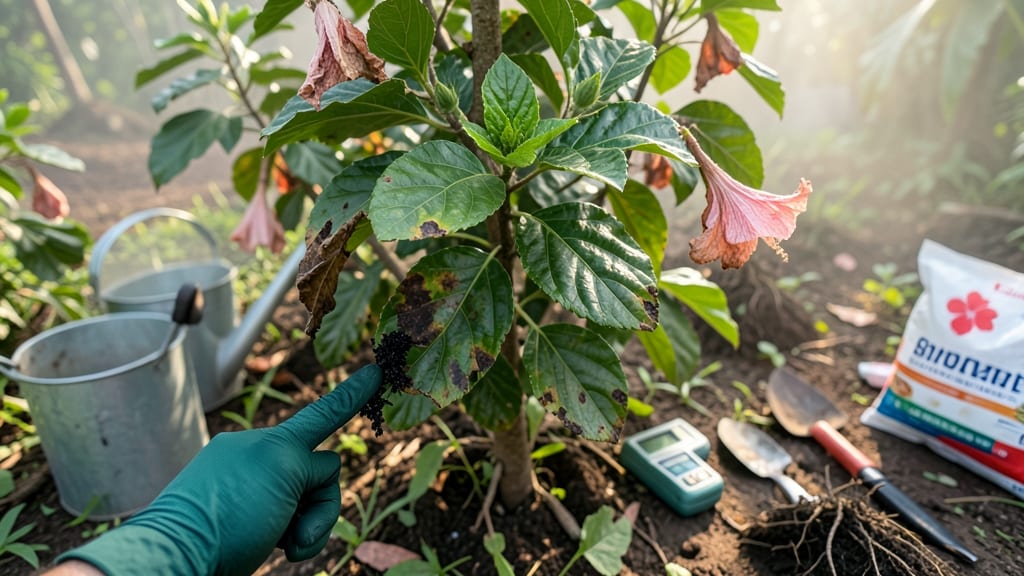
Your hibiscus tree might not be as dead as it looks—root rot rescue starts with a sharp pair of pruners and a closer look. 🌿 I’ve nursed back three "dead" hibiscuses using these same tricks, and the key is acting fast before the rot spreads beyond repair.
The first step? Checking for the telltale signs: black, mushy stems at the base or leaves that wilt even when the soil’s damp.
Overwatering is the #1 culprit, but pests, fungal infections, and even poor drainage can turn your tree’s roots to mush. The good news? Hibiscus are tough—they bounce back when you prune out the dead wood and adjust care.
Grab your gloves and let’s turn this around before you lose that stunning tropical look forever.
Start by cutting back any blackened or soft stems to healthy green wood—this stops the rot from spreading. Then, repot in fresh, well-draining soil and water only when the top 2 inches feel dry.
Within 4-6 weeks, you’ll see new growth pushing through, and those iconic hibiscus blooms will return.
Prevention is easier than rescue: water deeply but less often, use pots with drainage holes, and mulch to keep roots cool. If your tree’s been struggling for months, don’t wait—act now before the rot claims the whole plant. You’ve got this!
Root Causes Of A Dying Hibiscus
When your hibiscus tree looks dead, it’s often a cry for help from its roots—or something else you can’t see at first glance. Understanding the why behind its decline is the first step to revival.
Here’s a breakdown of the most common culprits, backed by science and actionable insights to diagnose the issue.
The Problem: Hibiscus thrives in well-draining soil, but excessive moisture—especially in compacted or clay-heavy soil—triggers root rot, a fungal infection (Phytophthora or Pythium) that suffocates roots by blocking oxygen uptake. Symptoms include:
- Yellowing leaves (chlorosis) spreading from the bottom up.
- Mushy, black, or discolored roots when inspected.
- Stunted growth or wilting despite moist soil.
Why It Happens:
- Poor drainage: Container-grown hibiscus or trees in heavy soil retain water, creating anaerobic conditions where fungi thrive.
- Overzealous watering: Hibiscus needs 1–1.5 inches of water per week, but roots rot if water pools at the base for more than 24 hours.
- Seasonal factors: Cool, wet springs or monsoons exacerbate fungal growth.
Actionable Fix: ✅ Test your soil: Stick a screwdriver into the soil 6 inches deep—if it comes out wet after 24 hours, drainage is poor. ✅ Repot or amend soil: Mix in perlite, sand, or coconut coir (20–30%) to improve aeration. For in-ground plants, consider a French drain or raised bed. ✅ Adjust watering: Water deeply 2–3 times per week (less in rain) and never let the tree sit in standing water.
The Problem: While overwatering is the usual suspect, chronic underwatering can also kill hibiscus by causing hydraulic failure—when the plant can’t pull enough water from the soil to sustain its large, thirsty leaves. Signs include:
- Crispy, brown leaf edges (unlike root rot’s yellowing).
- Drooping leaves that don’t perk up after watering.
- Premature leaf drop during dry spells.
Why It Happens:
- Shallow root systems: Hibiscus roots spread 12–18 inches wide but only 6–12 inches deep. Shallow watering misses these critical zones.
- Evaporative demand: Hot, dry, or windy conditions increase water loss, especially for tropical hibiscus (Hibiscus rosa-sinensis).
- Container limitations: Potted hibiscus dry out 3x faster than in-ground plants due to limited soil volume.
Actionable Fix: ✅ Water deeply, not frequently: Aim for 1–1.5 gallons per watering for in-ground trees or until water drains from the bottom of pots. ✅ Mulch heavily: Apply 3–4 inches of organic mulch (wood chips, straw) to retain moisture and regulate soil temperature. ✅ Use soaker hoses: Slow, targeted watering at the drip line (where leaves end) mimics natural rainfall and reduces runoff.
The Problem: Hibiscus is a heavy feeder, requiring nitrogen (N), phosphorus (P), and potassium (K) in balanced ratios. Deficiencies or imbalances lead to:
- Yellow leaves (nitrogen deficiency) or purple stems (phosphorus deficiency).
- Weak, leggy growth (magnesium or calcium deficiency).
- Slow recovery even after fixing water issues.
Why It Happens:
- Poor soil testing: Most garden soils lack micronutrients like iron, zinc, or manganese, which hibiscus needs for chlorophyll production.
- Over-fertilizing with nitrogen: Too much N promotes leafy growth at the expense of flowers and weakens root structure.
- pH imbalances: Hibiscus prefers slightly acidic soil (6.1–6.5). Alkaline soil (pH >7) locks out iron and manganese, causing yellowing (chlorosis).
Actionable Fix: ✅ Test your soil: Use a home pH test kit or send a sample to a local extension office. Aim for 6.0–6.5 pH. ✅ Fertilize smartly: Use a balanced 6-6-6 or 8-3-9 fertilizer in spring and summer, with micronutrient boosts (chelated iron, Epsom salt for magnesium). ✅ Organic amendments: Mix in compost, worm castings, or bone meal for slow-release nutrients.
The Problem: Hidden pests or pathogens can sap the life out of your hibiscus without obvious signs until it’s too late.
Watch for: - Aphids, spider mites, or scale insects (sticky residue, webbing, or tiny crawling dots). - White powdery mildew (fungal) on leaves. - Black spots or holes (fungal leaf spot or caterpillars).
Why It Happens:
- Stressed plants attract pests: Weak hibiscus (from water or nutrient issues) becomes a buffet for insects.
- Humid climates: Tropical hibiscus in high-humidity zones are prone to anthracnose or powdery mildew.
- Poor airflow: Crowded plants or dense foliage trap moisture, inviting fungal growth.
Actionable Fix: ✅ Inspect leaves weekly: Check undersides of leaves and new growth for pests. ✅ Neem oil spray: Apply every 7–10 days for fungal diseases and soft-bodied pests. ✅ Prune for airflow: Remove crossing branches and thin out dense areas to improve circulation.
The Problem: Hibiscus is tropical at heart and struggles with temperature extremes, wind, or salt buildup. Symptoms include:
- Brown, scorched leaves (salt burn or heat stress).
- Leaf drop during sudden cold snaps (below 40°F/4°C).
- Stunted growth in windy areas (transpiration loss).
Why It Happens:
- Cold damage: Hibiscus cannot tolerate frost—cell membranes rupture below 32°F (0°C), killing tissue.
- Salt buildup: Coastal areas or over-fertilization with synthetic salts (like urea) can burn roots.
- Windburn: Fast-moving air dries leaves faster than they can absorb water, leading to desiccation.
Actionable Fix: ✅ Protect from cold: Cover young hibiscus with frost cloth if temps drop below 45°F (7°C). ✅ Flush soil: For salt buildup, water deeply for 10 minutes to leach excess salts. ✅ Windbreaks: Plant fast-growing shrubs (like bamboo or boxwood) as a barrier or stake the hibiscus for support.
The Problem: Improper pruning can stress hibiscus beyond recovery by:
- Removing too many leaves (reducing photosynthesis).
- Cutting into old wood (hibiscus flowers on new growth—pruning old stems kills blooms).
- Using dirty tools (spreading disease).
Why It Happens:
- Over-pruning: Hibiscus needs selective pruning—never remove more than 1/3 of the canopy at once.
- Wrong timing: Pruning after the first frost or mid-summer stresses the plant.
- Poor technique: Cuts too close to the trunk or jagged edges invite infections.
Actionable Fix: ✅ Prune in late winter/early spring (before new growth starts). ✅ Cut at a 45° angle 1/4 inch above a leaf node to encourage regrowth. ✅ Sanitize tools: Wipe blades with rubbing alcohol between cuts to prevent disease spread.
Revive Your Hibiscus Tree Now
Seeing your once-vibrant hibiscus tree looking wilted, yellow, or completely lifeless can feel like a heartbreak—but don’t give up yet! 🌱 With the right steps, you can nurse it back to health.
Below, we’ll tackle the most common causes of a "dead" hibiscus tree and provide practical, step-by-step fixes to bring it back to life. Plus, we’ll share prevention tips to keep your tree thriving long-term.
Signs: Soft, mushy stems at the base, yellowing leaves, foul-smelling soil, or a tree that topples easily when pulled gently.
How to Fix It:
- 🚰 Stop Watering Immediately
- Root rot thrives in soggy soil. If your hibiscus is in a pot, remove it from the saucer (or elevate it) to prevent waterlogging. For in-ground plants, avoid watering until the soil is dry 2–3 inches below the surface.
- 🧹 Remove Affected Soil & Roots
- Gently dig around the base of the tree (or repot it) and inspect the roots. Snip off any black, mushy, or smelly roots with sterilized pruning shears. Healthy roots should be firm and light tan or white.
- 🌱 Repot or Replant with Fresh Soil - If repotting, choose a container with drainage holes and fill it with a well-draining potting mix (e.g., a blend of peat moss, perlite, and coconut coir).
For in-ground plants, mix in compost or sand to improve drainage. - Pro Tip: 💡 Add a handful of perlite or orchid bark to the soil mix to boost aeration.
- 🍄 Fungal Treatment (Optional but Helpful)
- Sprinkle copper fungicide or hydrogen peroxide (3%) around the roots to combat fungal growth. Follow the product’s instructions for application.
- 💧 Adjust Your Watering Routine
- Water only when the top 1–2 inches of soil are dry. Hibiscus trees hate "wet feet"—stick your finger in the soil to check before watering.
Prevention Tips:
- ✨ Use raised beds or containers if your soil drains poorly.
- 🌡️ Monitor humidity—hibiscus trees dislike soggy, cold soil.
Mulch around the base (but not touching the trunk) to regulate temperature. - 🎯 Choose the right pot—terracotta or fabric pots dry out faster than plastic.
Signs: Drooping leaves, crispy edges (underwatering) or yellow, mushy leaves (overwatering).
How to Fix It:
- 👨🍳 Check the Soil Moisture
- Stick your finger 1–2 inches into the soil. If it’s dry, water deeply until it drains from the bottom. If it’s soggy, hold off for a few days.
- 🔄 Adjust Your Watering Schedule
- Hibiscus trees need 1–1.5 inches of water per week, but this varies by climate. In hot weather, they may need daily watering; in cooler months, less.
- Morning watering is best—it reduces evaporation and fungal risks.
- 🌿 Improve Soil Aeration
- If your soil is compacted, loosen it gently around the roots (for in-ground plants) or repot with a lighter mix.
Prevention Tips:
- 💡 Use a moisture meter for accuracy, especially in pots.
- 🥗 Mulch properly—keep mulch 2–3 inches away from the trunk to prevent rot.
- 🌡️ Group plants with similar water needs to simplify care.
Signs: Pale yellow leaves (chlorosis), slow growth, or weak stems.
How to Fix It:
- 📊 Test Your Soil
- A simple home soil test kit can reveal pH and nutrient levels. Hibiscus thrives in slightly acidic to neutral soil (pH 6.1–7.5).
- 💪 Fertilize Correctly - Use a balanced, slow-release fertilizer (e.g., 10-10-10 or 8-3-9) in spring and summer.
Avoid high-nitrogen fertilizers—they promote leafy growth but fewer flowers. - Pro Tip: 🌱 For a quick boost, mix Epsom salt (1 tbsp per gallon of water) to treat magnesium deficiency (yellowing between leaf veins).
- 🍎 Organic Alternatives
- Compost tea, fish emulsion, or worm castings can provide gentle, natural nutrients.
Prevention Tips:
- ✨ Fertilize lightly—too much can burn roots.
- 🎯 Flush the soil every few months with water to remove excess salts from fertilizers.
- 🥗 Rotate nutrients—alternate between synthetic and organic fertilizers.
Signs: Bare branches, stunted growth, or a tree that looks "haircut" but not healthier.
How to Fix It:
- 🔪 Prune at the Right Time
- Best time: Late winter or early spring (before new growth). Avoid pruning in fall—it can encourage tender new growth that won’t survive cold snaps.
- 🌿 Cut Back Dead or Diseased Wood
- Use sterilized pruners to remove any black, mushy, or dead branches. Cut just above a leaf node (the bump where leaves grow) at a 45-degree angle.
- 🌱 Shape for Airflow
- Thin out crowded branches to improve airflow and reduce humidity (which invites fungus). Aim for an open, vase-like shape to encourage sunlight penetration.
- 🍃 Encourage New Growth
- After pruning, give your hibiscus a light fertilizer to support regrowth.
Prevention Tips:
- 💡 Never prune more than 1/3 of the tree in one session.
- 🌡️ Avoid pruning after heavy rain—wet tools spread disease.
- 🎯 Disinfect tools with rubbing alcohol between cuts.
Signs: Sticky residue (aphids), chewed leaves (caterpillars), or white webbing (spider mites).
How to Fix It:
- 🕷️ Identify the Pest
- Aphids/Scale: Wipe off with soapy water (1 tsp mild soap per quart of water).
- Spider Mites: Spray with water to dislodge them, then apply neem oil.
- Caterpillars: Handpick or use Bt (Bacillus thuringiensis), a natural bacterial pesticide.
- 🍃 Boost Tree Health
- Healthy hibiscus trees resist pests better. Ensure it gets full sun (6+ hours/day) and proper watering.
Prevention Tips:
- 💡 Inspect new plants before bringing them home.
- 🌿 Use row covers if pests are a recurring issue.
- 🎯 Introduce beneficial insects like ladybugs or lacewings.
With these steps, your hibiscus tree should start showing signs of recovery within 2–4 weeks. Stay patient, monitor its progress, and adjust care as needed. Before you know it, you’ll be admiring those stunning blooms again! 🌺
Frequently asked questions
How can I tell if my hibiscus is truly dead or just dormant?
Check for green stems under the bark by scraping a small section—if you see green, the tree is alive but struggling. Also, gently tug on branches: if they bend (not snap) easily, there’s still life. Hibiscus often "sleep" in winter but will regrow with proper care.
What’s the fastest way to save a hibiscus with root rot?
Act immediately: remove the plant, trim all black/mushy roots, and repot in fresh, sterile potting mix with perlite. Water lightly only when the top 2 inches of soil are dry. Apply hydrogen peroxide (3%) to the roots before replanting to kill fungus. Recovery takes 4-6 weeks if roots are still viable.
Can I prune a dying hibiscus aggressively to encourage regrowth?
Yes, but strategically: cut back only dead wood (black/brittle stems) to healthy green growth. Never remove more than 1/3 of the canopy at once. Use sterilized shears at a 45° angle above a leaf node to stimulate new shoots. Avoid heavy pruning in winter—wait until spring when growth resumes.
Why does my hibiscus keep dying after I fix the watering?
Hidden issues like compacted soil, pests (aphids/spider mites), or nutrient deficiencies often linger. Test soil pH (6.1-6.5 ideal) and add compost or Epsom salt for magnesium. Check leaves for webbing or sticky residue—neem oil treats pests effectively. Poor drainage may still be the root cause.
How long should I wait before giving up on a seemingly dead hibiscus?
Don’t give up until you’ve tried 3 months of consistent care: proper watering, pruning dead wood, and soil amendments. Hibiscus roots can regenerate surprisingly fast if the crown (base) is still alive. If no new growth appears after 6 months, it’s likely beyond revival—start fresh with a cutting.