
Diseases
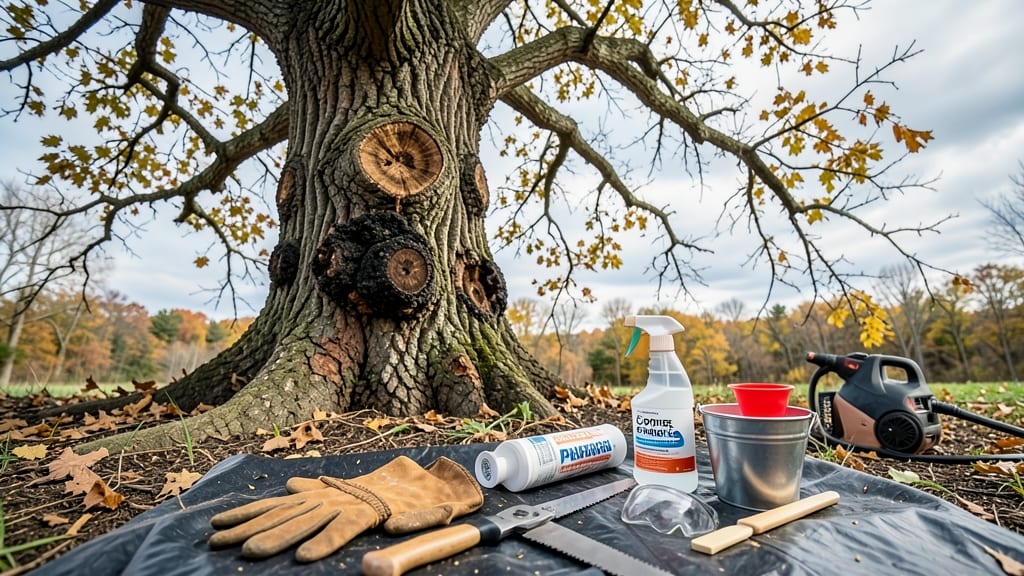
Most people assume they need expensive fungicides, but this mix uses household ingredients you already have. You’ll need white vinegar, baking soda, a few drops of dish soap, and a spray bottle—no fancy equipment.
The spray targets the fungus at its source, stopping it from spreading to healthy branches. I’ve used it on oaks, maples, and even fruit trees with great results.
What you’ll end up with is a tree that looks stronger and healthier within weeks, not just covered in a temporary fungicide. The spray works best in early morning or late afternoon when the air is cooler, and you’ll see less blackened bark and fewer fungal spores spreading.
Plus, it’s safe for pets and kids once it dries.
For Aledo’s climate, prevention is just as important as treatment. Keep an eye out for early signs like discolored leaves or mushroom growth at the tree’s base—those are red flags. If the fungus keeps coming back or the tree looks severely damaged, it’s time to call in a local arborist.
But for most cases, this spray is a game-changer for keeping your trees thriving.
Root Causes Of Tree Fungus
Fungal infections in trees aren’t random—they thrive due to specific conditions that create the perfect environment for spores to spread and colonize. Understanding these root causes helps homeowners in Aledo take proactive steps to prevent outbreaks before they escalate. Here’s why fungal growth takes hold in your trees:
Fungi love water—it’s their lifeline. When trees sit in soggy soil or receive prolonged moisture (like from heavy rains, overwatering, or poor drainage), fungal spores germinate and spread rapidly.
Common culprits include: - Compacted or clay-heavy soil (traps water near roots). - Irrigation overspray (water pooling at the trunk base). - Leaky sprinklers or poor grading (directing water toward the tree).
💡 Pro Tip: Test your soil’s drainage by digging a 12-inch hole near the tree. If water pools after 6 hours, amend the soil with organic matter (like compost) or install a French drain to redirect excess moisture.
Stressed trees are like open doors for fungi. When trees face nutrient deficiencies, pest damage, or physical wounds, their natural resistance drops, making them prime targets.
Key stressors include: - Improper pruning (cuts too close to the trunk create entry points). - Root damage (from construction, compacted soil, or girdling roots). - Drought or overwatering (disrupts the tree’s ability to fight pathogens).
🔥 Warning: Fungi like Armillaria root rot exploit weak roots, while canker diseases attack pruning wounds. Always sterilize pruning tools with rubbing alcohol to prevent spreading spores.
Organic debris (like fallen leaves, bark, or thick mulch) creates a cozy home for fungal spores. When moisture lingers in this debris, it accelerates spore growth.
Common offenders: - Piles of wood chips or leaves against the trunk. - Mulch volcanoes (mulch piled too high, suffocating roots). - Old stumps or dead branches (hotspots for conk fungi like Polyporus).
✨ Solution: Keep the mulch ring 3–4 inches deep and 6 inches away from the trunk. Remove fallen debris promptly, especially after storms.
Fungi thrive in warm, humid conditions (60–80°F and >70% humidity). In Aledo’s climate, this often happens:
- Spring rains (perfect for anthracnose or powdery mildew).
- Summer storms (spores splash onto leaves from soil).
- Fall leaf drop (moisture traps spores on bark).
🎯 Action Step: Improve airflow around trees by thinning dense foliage and pruning lower branches to reduce humidity near the canopy.
Some fungi hitchhike on pests like beetles, borers, or termites, which create wounds as they feed. Others, like honey fungus, spread via small mammals digging near roots.
Watch for: - Sawdust-like frass (sign of boring insects). - Holes in bark (entry points for canker fungi). - Mushrooms sprouting near animal burrows.
🔪 Prevention: Use insecticidal soap for soft-bodied pests and tree wraps to deter borers during vulnerable seasons (spring/fall).
Some tree species are naturally more prone to fungal infections due to their biology.
In Aledo’s common trees, watch for: - Oaks (vulnerable to oak wilt and hypoxylon canker). - Pines (targeted by white pine blister rust). - Maples (susceptible to tar spot and verticillium wilt).
📊 Fact: Native trees like cedar elms or redbuds often have stronger fungal resistance—consider these for future plantings if fungi are a recurring issue.
Fungal spores travel via wind, water, or tools. If a neighbor’s tree has a fungal infection, spores can:
- Drift on breezes (e.g., Dutch elm disease spreads this way).
- Hitch rides on gardening tools (pruners, saws).
- Spread through irrigation systems (contaminated water).
🚫 Best Practice: Disinfect tools between trees with 70% isopropyl alcohol or a 10% bleach solution. Avoid planting susceptible species too close to infected trees.
Solutions That Work for Tree Fungus
Fungal infections in trees can feel overwhelming, but with the right approach, you can stop regrowth and restore your trees to health. Below are practical, step-by-step solutions tailored to common causes of tree fungus in Aledo—plus prevention tips to keep your greenery thriving.
Root rot (often caused by Phytophthora or Armillaria) is a silent killer. If your tree’s leaves are yellowing, bark is peeling, or mushrooms sprout at the base, time is critical.
How to Fix It:
- 🍳 Apply a Fungicide Spray
- Mix 1 part copper fungicide (like Bordeaux mixture) with 10 parts water and spray the base of the tree and soil within the drip line.
- Alternative: A vinegar and baking soda spray (1 gallon water + 1 cup vinegar + 2 tbsp baking soda) can disrupt fungal spores—reapply every 7–10 days until growth stops.
- 👨🍳 Improve Soil Drainage
- Dig a 12-inch-wide trench around the tree (but not too close to roots) and fill it with gravel or sand to redirect water.
- If soil is compacted, aerate with a garden fork or hire a professional for deep root aeration.
- ⏰ Prune Infected Roots (If Severe)
- Use sterilized pruning shears to remove mushroom-covered roots (wear gloves—some fungi are toxic).
- Warning: Only do this if the tree is not large or valuable—removing too many roots can stress the tree further.
💡 Prevention Tip:
- Mulch correctly: Keep mulch 3–4 inches deep and 6 inches away from the trunk to prevent moisture buildup.
- Avoid overwatering: Trees need 1–1.5 inches of water per week—check soil moisture before watering.
Fungi like Anthracnose or Cytospora cause black spots, wilting, or oozing cankers. These spread fast but can be controlled with targeted treatments.
How to Fix It:
- 🔪 Prune Infected Branches
- Cut off spotted leaves, dead branches, and cankered areas 6 inches below the damage (fungus hides in cracks).
- Burn or bag (not compost!) infected debris to stop spores from reinfecting.
- 🌡️ Spray with a Fungicidal Mix
- Option 1 (Natural): Neem oil spray (1 tbsp neem oil + 1 tsp dish soap + 1 quart water) applied every 2 weeks during wet seasons.
- Option 2 (Chemical): Propiconazole or Myclobutanil (follow label rates) for severe cases.
- ✨ Improve Airflow
- Thin out dense foliage to reduce humidity near the tree.
- Space new trees at least 15–20 feet apart to prevent future spread.
💡 Prevention Tip:
- Water in the morning so leaves dry quickly—fungi love damp foliage.
- Rake up fallen leaves regularly (they harbor spores).
Powdery mildew (Erysiphe spp.) or sooty mold (from sap-sucking insects) coats leaves in white or black dust. While unsightly, these are easier to manage than root rot.
How to Fix It:
- 🧼 Scrub Leaves with Soap & Water
- Mix 1 tbsp horticultural oil + 1 tsp baking soda + 1 gallon water and spray both sides of leaves (focus on new growth).
- Wet the tree thoroughly—fungicides stick better when leaves are damp.
- 🐞 Control Insect Pests
- Sooty mold thrives on aphids or scale insects. Blast them off with water or use insecticidal soap.
- 🌿 Boost Tree Health
- Fertilize with a balanced 10-10-10 in early spring to strengthen defenses.
- Avoid high-nitrogen fertilizers—they encourage soft, fungus-loving growth.
💡 Prevention Tip:
- Space plants properly—crowded trees trap moisture.
- Choose resistant varieties (e.g., disease-resistant oak or maple species for Aledo’s climate).
If your tree shows:
- Large cankers oozing sap
- Mushrooms growing from the trunk
- Sudden leaf drop despite treatment
🔥 Next Steps:
- Consult an arborist in Aledo for soil testing or systemic fungicide injections.
- Remove the tree if it’s hazardous (e.g., deadwood from Armillaria root rot).
Final Reminder: 🎯 Act early—tree fungus spreads faster than you think! With consistent treatment and prevention, you can save your trees and keep Aledo’s landscapes lush and healthy. 🌳💚
Frequently asked questions
Can I use the vinegar and baking soda spray on all types of trees?
This spray works well on most trees, but avoid using it on evergreens or acid-sensitive plants like azaleas and rhododendrons. For fruit trees, test a small branch first—some varieties may react to the vinegar. The spray is especially effective for oaks, maples, and fruit trees common in Aledo, but always monitor for any negative reactions after application.
How often should I reapply the spray for best results?
For active fungus, apply the spray every 7–10 days until you see improvement. Once the fungus clears, switch to a monthly maintenance schedule during Aledo’s humid seasons (spring and fall). Always spray in the early morning or late afternoon to prevent leaf burn from evaporation. Consistency is key—fungi can rebound quickly if treatment stops too soon.
What should I do if the fungus keeps coming back after treatment?
If fungus persists, you may need to address underlying issues like poor drainage or tree stress. Check for compacted soil (dig a small test hole) and improve airflow by pruning dense branches. For severe cases, consider a systemic fungicide or consult a local arborist in Aledo for soil testing. Sometimes, the fungus is just a symptom of deeper problems like root rot or pest damage.
Is this spray safe for pets and children once it dries?
Yes! Once completely dry, the spray is non-toxic and safe for pets and kids. The ingredients (vinegar, baking soda, and dish soap) break down naturally. However, avoid spraying when pets or children might come into contact with wet foliage. Always apply in areas where they won’t have immediate access to treated trees.
Can I mix this spray with other fungicides for stronger results?
While you can combine it with copper fungicide or neem oil, avoid mixing with chemical fungicides containing sulfur or oil-based products—they can react poorly. For best results, alternate treatments: use the vinegar spray one week and a copper fungicide the next. Always follow label instructions for any additional products. Never mix bleach or household cleaners with this solution.