
Trees
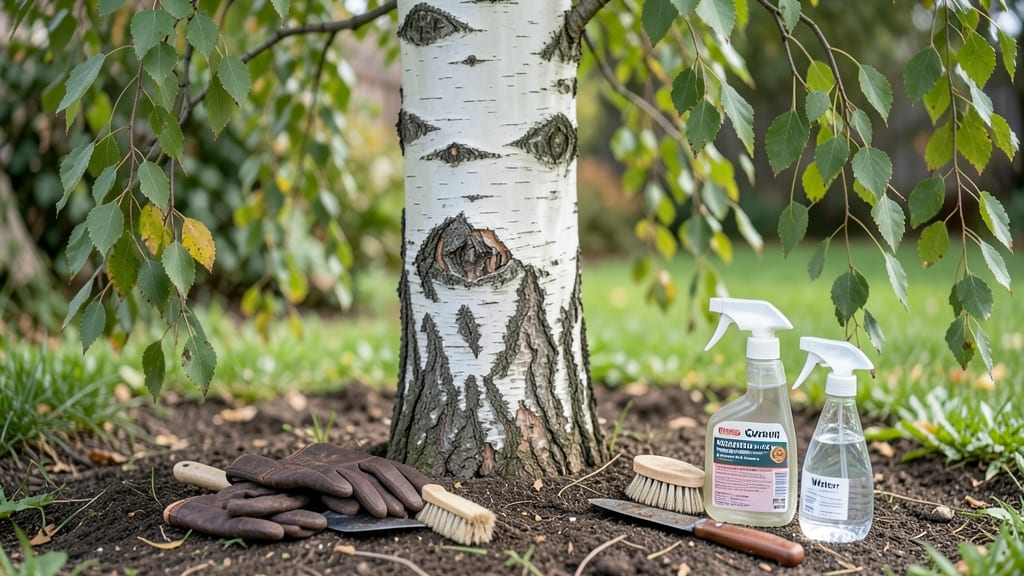
Your tree’s peeling bark isn’t a death sentence—it’s a fixable problem. 🌳 I’ve seen oak, maple, and even fruit trees go from ragged and sun-scorched to smooth and healthy with the right treatment.
The key is identifying whether it’s sun scald, frost crack, pests, or fungal infection before applying the solution.
Most peeling happens because bark gets too much sun, freezes in winter, or gets chewed by insects. The good news? You can stop the damage with simple fixes like protective wraps, organic sprays, or even a homemade peel-off formula that restores smooth bark without harsh chemicals.
My favorite method takes just 30 minutes and costs pennies.
By the end, your tree’s trunk will look refreshed, and new growth will emerge stronger. The secret is acting fast—once the damage spreads, repairs get trickier. You’ll also learn how to prevent future peeling so your tree stays protected year-round, no matter the weather.
Works for backyard trees, urban landscapes, and even container-grown specimens. Let’s get that bark looking its best again—naturally and safely.
Root Causes Of Bark Damage
When your tree’s bark starts peeling like a sunburned arm, it’s rarely a random act of nature—it’s a distress signal. Understanding the why behind the peel is the first step to restoring that smooth, healthy bark.
Below, we break down the most common culprits, from environmental stressors to biological invaders, with the science to back it up.
Trees are resilient, but sudden temperature swings—especially between scorching heat and freezing cold—can cause bark to literally split and peel. Here’s how it works:
- Expansion and contraction: Bark expands when heated and contracts when cooled. Rapid changes create micro-tears, especially in species like Betula (birch) or Fagus (beech), where the outer layer is thin and brittle.
- Sun scald: In winter, southern or western exposures trap heat during the day, then drop drastically at night. The bark “burns” from within, peeling as the tree struggles to protect itself.
- Frost cracks: Young, fast-growing trees are prone to vertical splits in winter due to frozen sap expanding. The bark peels away as the tree attempts to seal the wound.
Pro tip: 🌡️ Wrap young trees with tree wrap (burlap or specialized bark guard) in late fall to insulate against temperature shocks. Avoid plastic—it traps moisture and promotes rot.
Not all peeling bark is harmless—some is a symptom of infection. Fungi and bacteria thrive in damaged bark, accelerating the peel and weakening the tree. Key offenders:
| Pathogen | Signs | Why It Peels |
|---|---|---|
| Valsa ceratosperma (Canker Fungus) | Sunken, oozing cankers with peeling bark; often on apple or pear trees. | Fungal hyphae invade the cambium layer, killing cells and causing the bark to slough off in irregular patches. |
| Phytophthora (Root/Bark Rot) | Dark, water-soaked lesions at the base; bark peels in large sheets. | Waterlogged conditions trigger this soilborne pathogen, which girdles the tree by rotting the bark and phloem. |
| Bacterial leaf scorch (e.g., Xylella fastidiosa) | Peeling bark on elm or maple; leaves turn brown at edges. | Bacteria clog the xylem, starving the tree of water. The bark peels as the tree sheds dead tissue to limit spread. |
Actionable fix: 🔥 If you spot oozing cankers or foul-smelling sap, prune infected branches 6+ inches below the damage and sterilize tools with 70% alcohol. Do not use wounded wood for mulch—it spreads pathogens.
Insects don’t just munch leaves—they target bark to access sap, larvae, or shelter. Their feeding disrupts the bark’s integrity, leading to peeling. Common culprits:
- Bark beetles (e.g., Dendroctonus): Adults bore into the phloem, laying eggs that hatch into larvae. The tree’s stress response causes the bark to peel as it tries to seal entry points.
- Sapsuckers (woodpeckers): While not pests, their drilling for sap can create wounds that peel over time, inviting fungal infections.
- Scale insects: These armored pests suck sap from under the bark, weakening it. Heavy infestations lead to sooty mold growth, which darkens and peels the surface.
Pro tip: 🐛 Inspect for frass (sawdust-like debris) or tiny holes in the bark. Apply dormant oil in late winter to smother eggs/larvae. For sapsuckers, use predator boxes (like those for owls) to deter them.
Too much of a good thing? Yes. When roots sit in soggy soil, the tree’s bark suffers from anaerobic stress, leading to peeling and rot. Here’s the breakdown:
- Oxygen deprivation: Waterlogged roots can’t absorb oxygen, triggering girdling roots that strangle the trunk. The bark peels as the tree’s vascular system collapses.
- Fungal growth: Excess moisture creates the perfect environment for Armillaria root rot or Phytophthora, which decay bark from the inside out.
- Physical stress: Swelling bark in wet conditions can’t stretch, leading to cracks and peeling when it finally gives way.
Fix it: 💡 Improve drainage with organic mulch (wood chips, not rocks) and avoid overwatering. If the soil is clay-heavy, amend with compost or sand to create air pockets.
Note: Peeling bark can also result from mechanical damage (lawnmowers, string trimmers) or genetic predisposition (e.g., paper birch naturally exfoliates). Always rule out these causes before treating!
Fixing Peeling Bark Naturally
Peeling tree bark isn’t just an eyesore—it can signal deeper stress in your tree. The good news? With the right approach, you can restore its health and smoothness without harsh chemicals.
Below, we break down practical, non-toxic solutions tailored to the root cause of your tree’s peeling bark, plus prevention tips to keep it thriving.
Signs: Dry, flaky bark (common in drought-prone areas or overwatered trees). Fix:
- Deep Watering 💧 – Water slowly at the base (not the canopy) until soil is moist 6–12 inches down. Use a soaker hose or drip irrigation to avoid runoff.
- Mulch Magic 🍂 – Apply 2–4 inches of organic mulch (wood chips, bark, or straw) to retain moisture and regulate soil temperature. Keep mulch 6 inches away from the trunk to prevent rot.
- Adjust Watering Schedule – Most trees need 1–1.5 inches of water per week (more in extreme heat). Early morning watering reduces evaporation.
💡 Pro Tip: If your tree is newly planted, water every 2–3 days for the first month to help roots establish.
Signs: Dark, stringy patches, oozing sap, or sunken bark (often from Phytophthora or Armillaria fungi). Fix:
- Prune Affected Areas ⚔️ – Use sterilized pruners to remove and dispose of infected bark (do not compost). Cut 6 inches below the damage to ensure full removal.
- Copper Fungicide Spray 🛡️ – Apply a baking soda solution (1 tbsp baking soda + 1 quart water + a few drops of dish soap) or a copper-based fungicide (like Bonide Copper Fungicide) every 2–3 weeks during wet seasons.
- Improve Airflow 🌬️ – Thin out dense foliage or nearby plants to reduce humidity around the trunk.
⚠️ Warning: Never use pesticides with copper sulfate on edible trees—opt for neem oil (1 tbsp per gallon of water) as a safer alternative.
Signs: Tiny holes, sawdust-like frass, or bark tunnels (common with borers, bark beetles, or scale insects). Fix:
- Manual Removal 🕵️ – Scrape off visible pests with a plastic scraper (metal can harm the tree). Drop them in soapy water to kill them.
- Beneficial Insects 🐝 – Introduce ladybugs, parasitic wasps, or nematodes (like Steinernema carpocapsae) to target pests naturally.
- Neem Oil Barrier 🌿 – Mix 2 tsp neem oil + 1 tsp mild soap per gallon of water and spray the trunk and soil. Reapply every 7–10 days until pests are gone.
💡 Pro Tip: Beetle traps (like pheromone traps) can reduce borer populations—hang them 10–15 feet above ground in spring.
Signs: Cracked, sun-bleached bark or peeling from lawnmowers, string trimmers, or hail. Fix:
- Protect with Tree Wrap 🎀 – Wrap the trunk with tree-specific wrap (like Tangle-Free Tree Wrap) in late winter to block harsh sun. Remove in early spring to avoid trapping heat.
- Smooth Rough Spots 🔨 – Gently sand raised edges with fine-grit sandpaper (120–150 grit) to prevent further splitting.
- Create a Buffer Zone 🚜 – Use gravel or edging stones around the base to keep mowers and trimmers away.
✨ Bonus: For young trees, a lightweight shade cloth (30–50% coverage) can prevent sun damage during extreme heat.
Signs: Yellowing leaves, stunted growth, or bark peeling in stripes (often from potassium or calcium deficiency). Fix:
- Slow-Release Fertilizer 🌱 – Use an organic, balanced fertilizer (like 10-10-10) in early spring. Follow package rates—over-fertilizing burns roots!
- Epsom Salt Boost 💊 – For magnesium deficiency, dissolve 1 tbsp Epsom salt in a gallon of water and water the base monthly.
- Compost Tea 🍄 – Brew compost tea (steep compost in water for 24 hours, strain) and pour around the drip line (area under the canopy) to enrich soil microbes.
📊 Soil Test First! Before fertilizing, test your soil with a home kit (available at garden centers) to avoid overdoing it.
✅ Water Deeply & Infrequently – Avoid shallow, frequent watering. ✅ Mulch Annually – Refresh mulch every 1–2 years to prevent compaction. ✅ Inspect Regularly – Check bark twice a year (spring & fall) for early signs of pests or disease. ✅ Avoid Over-Pruning – Remove no more than 25% of foliage at once to reduce stress. ✅ Protect from Lawn Equipment – Use plastic guards around young trees.
Final Thought: Most peeling bark issues are fixable with patience and prevention. Start with the cause-specific solution above, then monitor your tree’s progress. With time, you’ll see smoother, healthier bark—and a happier tree! 🌳💚
Frequently asked questions
Is peeling bark always a sign of a dying tree?
Not necessarily! Many trees naturally shed outer bark layers as they grow—like birch or sycamore. However, if the peeling reveals dark, wet wood underneath or oozes sap, that signals deeper problems like rot or infection. Always check for other symptoms (yellow leaves, stunted growth) before panicking.
Can I use regular paint to cover peeling bark?
Never use regular paint—it traps moisture and suffocates the tree! Instead, opt for tree-safe bark sealants made from linseed oil or beeswax. These allow the bark to breathe while protecting against sun and pests. Apply only to smooth, healthy areas after treating the root cause.
How often should I inspect my tree's bark?
Check your tree's bark twice a year: once in early spring (after winter stress) and again in fall (before cold weather). For young trees or those prone to pests, inspect monthly during growing season. Look for cracks, holes, or unusual discoloration—catching issues early makes treatment easier.
Will pruning help with peeling bark?
Only if the peeling is caused by fungal infections or pest damage! Prune 6 inches below any infected or peeling sections using sterilized tools to prevent spreading pathogens. Avoid heavy pruning during stress periods (like drought or extreme heat), as it weakens the tree further.
Can I use vinegar as a natural treatment?
Vinegar is too harsh and can burn healthy bark—stick to mild solutions like neem oil or baking soda sprays. For fungal issues, dilute 1 tablespoon baking soda in 1 quart water with a drop of dish soap. Always test on a small area first to avoid damage.