
Pruning
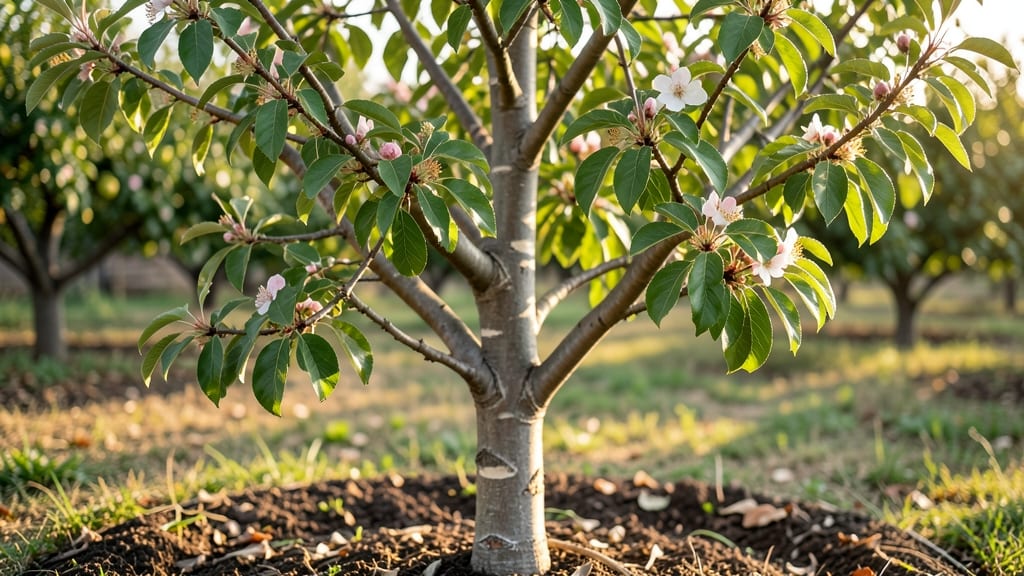
Peach tree bark peeling isn’t just unsightly—it’s your tree’s cry for help. 🌳 The moment you notice that rough, flaking skin, you’re looking at a battle between sunburn, disease, or pests.
I’ve seen healthy peaches turn into sad, struggling trees when this goes untreated, but the good news? You can fix it before it’s too late.
Most peeling starts with sun scald—those south-facing trunks baking in summer heat—or bacterial canker, which oozes dark sap and smells terrible. Borer holes look like tiny tunnels in the bark, while environmental stress (like drought or frost cracks) creates jagged peeling.
The key is acting fast: clean wounds prevent infection, and proper care keeps your tree thriving.
With the right treatment—pruning damaged areas, sealing wounds, and adjusting care—your peach tree can bounce back to healthy, smooth bark in just a few months. The secret is consistency: monitor for new damage, protect against pests, and give it the right conditions to heal.
Your tree’s future depends on how you respond now.
This works for any peach tree, whether it’s a young sapling or a mature producer. The sooner you act, the better the results. Let’s get your tree back to its best—and keep those sweet peaches coming for years.
Root Causes Of Bark Peeling
Understanding why your peach tree’s bark peels can help you address the issue before it escalates. This common problem often stems from a mix of environmental stress, biological factors, and even seasonal changes. Below, we break down the key triggers behind peeling bark, along with the science behind each cause.
Peach trees are sensitive to sudden shifts in temperature, especially when hot days meet cold nights. This rapid change disrupts the cork cambium layer—the tree’s protective skin—causing it to split and peel away. Here’s why:
- Sun Scald (Winter Damage): In winter, bark can freeze and thaw unevenly, leading to cracks.
When spring arrives, the tree’s growth resumes, but the damaged bark peels like sunburned skin. - Summer Heat Stress: Prolonged exposure to high temperatures (above 90°F) without adequate moisture forces the tree to overcompensate, weakening its bark structure. - Frost Cracks: Freezing temperatures cause water inside the bark to expand, creating micro-tears that peel as the tree heals.
💡 Pro Tip: Mulch heavily in winter (4–6 inches of organic mulch) and water deeply during heatwaves to buffer temperature shocks.
Not all peeling bark is harmless—some cases signal an invasion by pests or pathogens. These disrupt the bark’s integrity, leading to peeling as the tree fights back.
| Culprit | How It Causes Peeling | Signs to Watch For |
|---|---|---|
| Bark-Splitting Beetles | Larvae bore into the bark, creating tunnels that weaken and lift the outer layer. | Sawdust-like frass, small holes, sticky sap. |
| Bacterial Cankers | Pseudomonas syringae infects wounds, causing oozing lesions that kill bark tissue. | Sunken, oily spots, dark streaks under peeling bark. |
| Scale Insects | Secret honeydew attracts sooty mold, which smothers the bark, leading to peeling. | White cottony patches, black mold growth. |
| Fungal Infections (e.g., Silver Leaf Fungus) | Invades through wounds, turning bark silvery and brittle, causing it to flake. | Shiny, metallic sheen on affected areas. |
✨ Key Action: Prune infected branches 12 inches below the damage, sterilize tools with 70% rubbing alcohol, and apply copper fungicide if fungal signs appear.
Water plays a critical role in bark health—too much or too little can trigger peeling. Here’s how:
- Overwatering: Soggy soil leads to root rot, which stresses the tree and causes the bark to soften and slough off in patches.
- Underwatering: Drought stress forces the tree to shrink, creating cracks where the bark peels like dried paper.
- Poor Drainage: Compacted or clay-heavy soil traps moisture, suffocating roots and starving the bark of nutrients.
🔥 Quick Fix: Test soil moisture (stick your finger 2 inches deep—if dry, water; if muddy, improve drainage with gravel or sand amendments).
Peach trees experience rapid growth spurts in spring, which can outpace the bark’s ability to stretch. This mismatch causes:
- Tension Cracks: The phloem layer (food-transporting tissue) expands faster than the bark, leading to vertical splits.
- Sunlight Exposure: Newly exposed wood (after peeling) is highly susceptible to sunburn, worsening the cycle.
🎯 Prevention Tip: Apply a tree wrap in late winter to protect young bark from sudden sunlight and temperature swings.
Even well-meaning gardeners can accidentally trigger peeling with aggressive pruning or mechanical harm:
- Over-Pruning: Removing too much bark or cutting into the trunk exposes raw wood, which peels as the tree heals.
- Lawnmower/Weed Whacker Burns: Scraping the base of the trunk damages the cambium layer, leading to peeling upward.
- Improper Tool Use: Dull pruners cause tear-outs, leaving jagged edges that peel over time.
🔪 Correct Technique: Use sharp, clean pruners and make cuts just outside the branch collar (the swollen area where the branch meets the trunk).
A weakened tree is more prone to peeling bark because it lacks the resources to maintain a strong protective layer. Key deficiencies include:
- Potassium (K): Essential for cell wall strength; a deficiency leads to bark splitting and dieback.
- Calcium (Ca): Helps regulate bark elasticity; low levels cause cracking and peeling, especially in young trees.
- Nitrogen (N): Supports overall growth, but excess nitrogen can make bark soft and prone to peeling in humid conditions.
💪 Soil Test Solution: Conduct a soil test every 2–3 years and amend with wood ash (for calcium) or greensand (for potassium) as needed.
Not all peeling bark is a red flag. Natural exfoliation (where the outer bark sheds smoothly) is healthy—think of it like a snake’s skin! But seek help if you see:
- Oozing sap or foul odors (sign of disease).
- Large patches of dead bark (pest or fungal damage).
- Peeling accompanied by wilting leaves (root or vascular issue).
By identifying the root cause, you can take targeted action to restore your peach tree’s smooth, resilient bark. 🌳✨
Fixing Peeling Bark Issues Naturally
Peeling bark on your peach tree might look unsightly, but the good news is that most causes have simple, natural fixes. Whether it’s due to environmental stress, pests, or disease, taking the right steps can restore your tree’s health and prevent further damage.
Below, we’ve mapped out practical solutions tailored to each common cause—plus prevention tips to keep your peach tree thriving for years.
Not all peeling bark is a red flag! Peach trees naturally shed thin layers of bark as they grow, especially in spring or after heavy rain. This is a sign of a healthy, expanding trunk.
What to do:
- Observe first: If the bark is only peeling in small patches, the tree is likely fine. Focus on monitoring rather than treating.
- Avoid touching it: Disturbing healthy bark can expose the tree to infections or pests.
Prevention tip: 💡 Water deeply but infrequently to avoid sudden moisture shocks that might accelerate shedding.
Intense sunlight or sudden temperature swings can cause the bark to blister, crack, or peel—especially on young or thin-barked trees.
How to fix it:
- Provide shade: Install a temporary shade cloth (30-50% coverage) on the tree’s south or west side during peak summer heat.
- Water at the base: Keep the soil consistently moist (but not soggy) to help the tree regulate temperature.
- Apply mulch: Spread 2-3 inches of organic mulch (like wood chips) around the trunk to insulate roots and retain moisture.
Prevention tip: ✨ Plant peach trees in locations with afternoon shade or pair them with taller trees that provide natural sun protection.
Pests like scale insects or bark borers weaken the tree by tunneling under the bark, causing it to peel or ooze sap.
How to fix it:
- Inspect for signs: Look for tiny holes, sawdust-like frass, or sticky residue (honeydew). Scrape a small area to check for pests.
- Spray with neem oil: Mix 2 tbsp neem oil with 1 gallon of water and 1 tsp mild soap. Spray the trunk and branches thoroughly (repeat every 2 weeks).
- Use horticultural oil: For stubborn infestations, apply a dormant oil spray in late winter or early spring.
Prevention tip: 🔥 Encourage natural predators like ladybugs and lacewings by planting companion flowers (e.g., marigolds) near your peach tree.
Fungal diseases thrive in damp conditions, causing bark to darken, peel, or develop lesions.
How to fix it:
- Prune infected branches: Remove and destroy (do not compost) any branches with large peeling patches or oozing sap.
- Apply copper fungicide: Use a natural copper-based spray (like copper soap) every 2-3 weeks during wet seasons.
- Improve airflow: Thin out nearby branches or shrubs to reduce humidity around the tree.
Prevention tip: 🌡️ Water in the morning to allow foliage to dry quickly, and avoid overhead irrigation.
Scrapes, cracks, or deep gouges from tools, animals, or storms create entry points for disease and pests.
How to fix it:
- Clean the wound: Use a sterile knife to trim jagged edges and remove loose bark.
- Seal with pruning sealant: Apply a natural, tree-safe sealant (like beeswax or a commercial product with no chemicals) to protect the area.
- Monitor for infection: Keep the area dry and watch for signs of rot or sap oozing.
Prevention tip: 🎯 Use smooth, sharp pruners and wear gloves to avoid roughing up the bark during trimming.
Peach trees need specific micronutrients to maintain healthy bark. Deficiencies like zinc or boron can lead to peeling or brittle bark.
How to fix it:
- Test the soil: Use a home soil kit or send a sample to a local extension office to identify deficiencies.
- Add micronutrients: Sprinkle zinc sulfate or boron supplements around the drip line (follow package instructions) and water deeply.
- Use compost tea: Brew compost tea and apply it as a foliar spray to boost overall tree health.
Prevention tip: 💪 Mulch with compost annually to gradually improve soil nutrient levels.
- Don’t over-prune: Removing too much bark or healthy tissue can stress the tree further.
- Avoid petroleum-based sealants: These can suffocate the tree and trap moisture, worsening rot.
- Don’t ignore persistent issues: If peeling worsens despite care, consult a local arborist to rule out serious diseases like silver leaf fungus.
Final Thought: Most peeling bark issues are manageable with patience and the right care. By addressing the root cause—whether it’s sun, pests, or poor soil—your peach tree will bounce back with a smoother, stronger trunk. 🌳💚
Frequently asked questions
Is peeling bark always a sign of a sick peach tree?
Not necessarily! Some peeling is normal as trees grow, especially in spring when bark naturally exfoliates like a snake shedding skin. However, watch for red flags: oozing sap, foul smells, or large patches of dead bark—these signal disease or pests. Healthy peeling happens gradually in small patches without other symptoms.
Can I save my peach tree if the bark is already peeling badly?
Yes, but act fast! First, identify the cause (sun scald, pests, or disease) and treat it immediately. Clean wounds with a sterile knife, seal with tree-safe pruning paste, and monitor for infection. For severe cases, consult an arborist—they can assess if the tree’s vascular system is compromised, which requires more aggressive treatment.
What’s the best way to protect peach tree bark from winter damage?
Wrap young trees with tree wrap (available at garden centers) in late fall to shield bark from freezing winds and temperature swings. Add 4-6 inches of organic mulch around the base to insulate roots. Avoid plastic wraps—they can trap moisture and cause rot. Prune damaged branches in early spring before new growth begins.
Will peeling bark affect my peach tree’s fruit production?
It depends on the cause. Minor peeling (like natural exfoliation) won’t hurt fruit, but severe damage from disease or pests can stress the tree, reducing yields. Focus on treating the root issue—healthy bark = healthy tree = better peaches! If the tree is otherwise strong, it can still produce fruit while recovering.
How often should I check my peach tree’s bark for peeling?
Inspect your tree every 2-4 weeks during growing seasons (spring to fall) and monthly in winter. Look for new cracks, oozing sap, or pest activity. Early detection is key—catching issues like bacterial canker or borers early gives your tree the best chance to recover. Keep a small notebook to track changes over time.