
Pruning
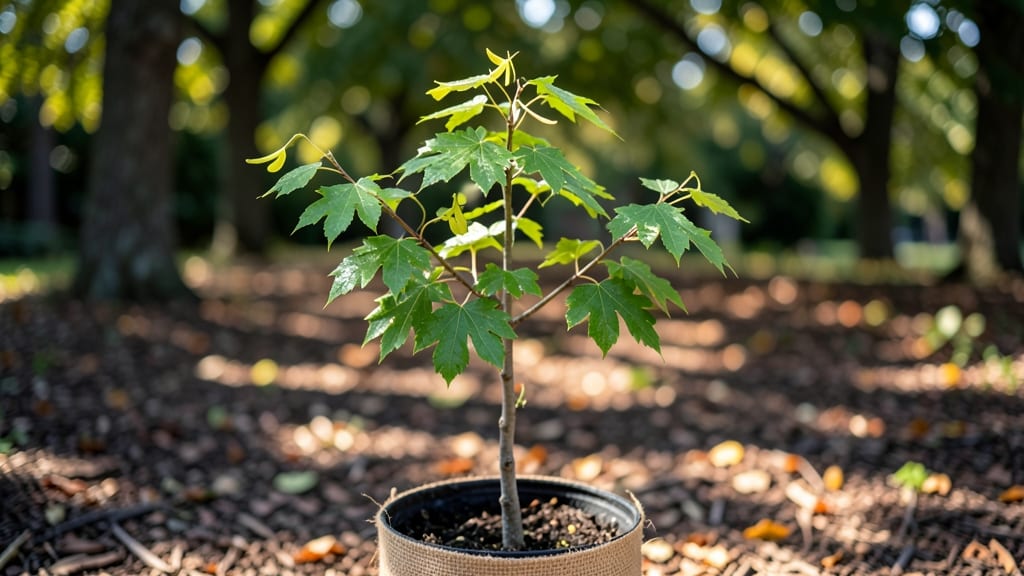
Your sugar maple tree sapling could grow into a century-old giant—if you start pruning right now. ✂️ The secret to a strong, symmetrical canopy isn’t just summer trimming; it’s year-round care that shapes its future.
I’ve watched my own sapling transform from a scraggly stick into a sturdy, branching beauty by following a simple routine that keeps it healthy through every season.
The first step is understanding when to prune: late winter (before buds swell) removes weak branches, while summer pruning after leaf-out encourages new growth. You’ll need sharp bypass pruners, rubbing alcohol for cuts, and a clear day to work—no rushing.
The goal isn’t perfection; it’s teaching the tree to grow strong, not leggy. Even a small sapling benefits from this approach, setting the stage for decades of shade and color.
By next spring, you’ll notice thicker branches and fewer gaps in the canopy. The tree will resist storms better, grow faster, and develop that classic maple silhouette. Pruning isn’t just about aesthetics—it’s about long-term health, and the payoff comes in years, not weeks.
Think of each cut as an investment in a tree that could outlive you.
This method works for saplings in containers too—just scale down the tools. Whether you’re in a suburban yard or a rural woodlot, the principles stay the same. The key is consistency, not intensity. Start small, and watch your maple thrive.
📚 In This Guide
- What you need
- Instructions
- Tips and common mistakes
- Wrapping up and next steps
What you need
- ● Pruning shears: Bypass pruners (sharp, clean, and sterilized with rubbing alcohol) for cuts up to ½ inch in diameter.
- ● Loppers: For thicker branches (½–1½ inches), with a 10-inch handle for leverage.
- ● Hand saw: Curved-tooth pruning saw for branches over 1½ inches (avoid cheap saws—they dull fast!).
- ● Gloves: Heavy-duty, cut-resistant gloves (e.g., mechanics’ gloves) to protect from thorns and sap.
- ○ Disposable pruning sealant: Optional but helpful for sealing large cuts (e.g., Tanglefoot Tree Wound Pruning Seal).
- ● Ladder or step stool: Sturdy, non-slip (e.g., Folding garden ladder) for taller saplings (6+ feet).
- ● Bucket or bag: For collecting debris (a 5-gallon bucket or heavy-duty trash bag works).
- ● Rubbing alcohol (70%+) or bleach solution: To sterilize tools between cuts (1 part bleach to 9 parts water).
- ● Extension pole pruners: For hard-to-reach branches (e.g., 20-foot reach).
- ● Tree wound dressing: Natural options like beeswax or horticultural putty for sensitive cuts.
- ● Safety goggles: Protects eyes from debris (especially when sawing).
- ● Marking spray: Temporary spray paint to flag branches for future reference.
- ● Pruning guide or app: Tools like iTree or SmartTree for tracking growth patterns.
- ● Knowledge of basic pruning: Familiarize yourself with 3-cut technique and branch collar preservation.
- ● Weather check: Prune on a dry, calm day (avoid rain or wind for 24 hours post-pruning).
- ● Tree health assessment: Ensure your sapling is free of disease (e.g., tar spot or verticillium wilt) before pruning.
- ● Local regulations: Check if your area requires permits for tree work (especially in urban zones).
Step-by-Step guide to pruning your sugar maple sapling
Here's how to shape your young tree for a sturdy, healthy canopy year after year.
✂️ Step 1: Prune in Late Winter for Clean Cuts
Wait until mid-to-late February when the tree is still dormant but before buds swell. This timing prevents stress and disease. I always prune on a dry day to avoid spreading sap-borne pathogens. Start by removing any dead, diseased, or crossing branches—these compete for resources and weaken the tree's structure.
Use clean, sharp pruning shears to make cuts just outside the branch collar (the swollen area where the branch meets the trunk). Avoid leaving stubs—they invite decay. For branches thicker than ½ inch, use a pruning saw. You'll see fresh, white wood at the cut, which means you've removed the branch cleanly without tearing.
☀️ Step 2: Encourage Airflow in Early Summer
In June or early July, focus on thinning the canopy to improve sunlight penetration and air circulation. Remove up to 25% of the foliage by selectively pruning branches that are too dense or growing inward. This step prevents fungal diseases like anthracnose, which thrive in shady, humid conditions.
Look for branches that rub against each other or grow straight upward (called "water sprouts"). These should be pruned back to a lateral bud or side branch. You'll notice the remaining branches fill out more evenly, and new growth will appear darker green and healthier. Avoid heavy pruning—sugar maples respond best to gradual thinning.
✂️ Step 3: Light Pruning in Fall for Shape
In late September or early October, do a light pruning to refine the tree's shape. Remove any suckers (shoots growing from the base or roots) and water sprouts that appeared during the growing season. These compete with the main canopy for nutrients and weaken the tree's structure.
Use your hand as a guide—if you can't fit it between branches, the canopy is too dense. Prune back to a lateral bud or side branch to encourage outward growth. You'll see the tree's natural form emerge more clearly, with a strong central leader and well-spaced branches.
⏰ Step 4: Minimal Winter Maintenance
During winter months (December–February), only remove broken or damaged branches caused by ice or snow. Avoid heavy pruning—sugar maples are sensitive to winter stress. If you notice any dieback (dead branches) after winter, prune those out in early spring before new growth begins.
This is also the time to inspect the tree for pests or disease signs, like holes in leaves or oozing sap. If you spot anything unusual, address it immediately—sugar maples are prone to issues like aphids or verticillium wilt. A healthy sapling now means a stronger, more productive tree for years to come.
Tips & tricks for pruning your sugar maple sapling
Between us, I've seen many well-intentioned gardeners over-prune their sugar maples—or worse, prune at the wrong time. Here's what I've learned to keep your young tree thriving.
Timing is Everything: The mid-to-late February window in Step 1 is non-negotiable for sugar maples. This dormant period means the tree can heal quickly without stress. I've seen saplings stressed when pruned too early—buds swell around late February, so don't wait until March! Also, avoid pruning when rain is forecasted for 24 hours after your cuts.
Branch Collar Knowledge: That swollen area where branches meet the trunk (the branch collar) is your guidepost. When you cut just outside it in Step 1, you're preserving the tree's natural healing response. I once made the mistake of cutting flush with the trunk—it took years for that wound to seal properly. Look for that ridge of tissue and make your cut about 1/8 inch outside it.
Seasonal Pruning Goals: Each season serves a different purpose—don't treat them all the same. In Step 2's summer thinning, focus on removing branches that are growing inward or rubbing against others. These are the ones that create weak points in the canopy. In fall (Step 3), your goal shifts to shaping—this is when you can be more precise with lateral buds to guide growth patterns.
Tool Maintenance Matters: Your pruning shears and saw need to be as sharp as possible. Dull tools tear branches, creating larger wounds that take longer to heal. I clean and sharpen my tools with a file and rubbing alcohol between trees to prevent cross-contamination of diseases. For branches over ½ inch thick, a clean saw cut is essential—don't struggle with shears.
Pro Tips for Sugar Maple Tree Sapling
- Between us, I've seen many well-intentioned gardeners over-prune their sugar maples—or worse, prune at the wrong time.
- Timing is Everything: The mid-to-late February window in Step 1 is non-negotiable for sugar maples.
- Branch Collar Knowledge: That swollen area where branches meet the trunk (the branch collar) is your guidepost.
Frequently asked questions
about sugar maple tree saplings—and their pruning—can help you avoid common pitfalls. Here’s what you need to know before getting started!When is the best time to prune a sugar maple sapling?
Prune your sugar maple sapling during dormancy—late fall or early spring (before buds swell). Avoid pruning in late spring or summer, as it can stress the tree and invite disease. Pro tip: If you must prune in summer, do so only if necessary (e.g., removing dead branches) and keep cuts small to minimize sap loss.
How much can I trim off a young sugar maple sapling?
For saplings, limit pruning to no more than 25% of the canopy in a single session. Focus on removing dead, diseased, or crossing branches—never trim more than necessary. Over-pruning weakens the tree and stunts growth. Rule of thumb: If you’re unsure, less is always better!
Can I prune a sugar maple sapling in winter?
Yes, but only in mild winters (temperatures above 20°F/-7°C). Cold snaps can stress the tree, and frozen sap slows healing. If winter pruning is unavoidable, wait until a warmer day (above 40°F/4°C) to reduce shock. Spring pruning is always the safest bet.
What if my sapling doesn’t have many branches to prune?
If your sugar maple sapling is still very young (under 3 feet tall) with minimal branching, skip aggressive pruning—focus on removing only dead or damaged wood. Let the tree develop its natural structure. You can guide growth by selectively thinning crowded branches as it matures.
What should I avoid when pruning a sugar maple sapling?
Avoid these common mistakes:
- Topping (cutting the main stem)—it encourages weak, stubby growth.
- Leaving stubs (cut flush to the branch collar).
- Pruning in wet or windy conditions (increases disease risk).
- Using dull tools (tears bark instead of clean cuts).
Wrapping up and next steps
Growing a thriving sugar maple tree sapling is all about patience, consistency, and a little know-how! 🌳 With the right pruning techniques—whether in spring, summer, or winter—you’ll foster a stronger canopy and healthier growth for years to come.
Remember, every snip is a step toward a majestic tree that’ll shade your backyard for decades.
Ready to put your new skills to work? Grab your tools, mark your calendar, and start pruning! Your sugar maple’s future starts with the care you give it today.