
Pests and Diseases
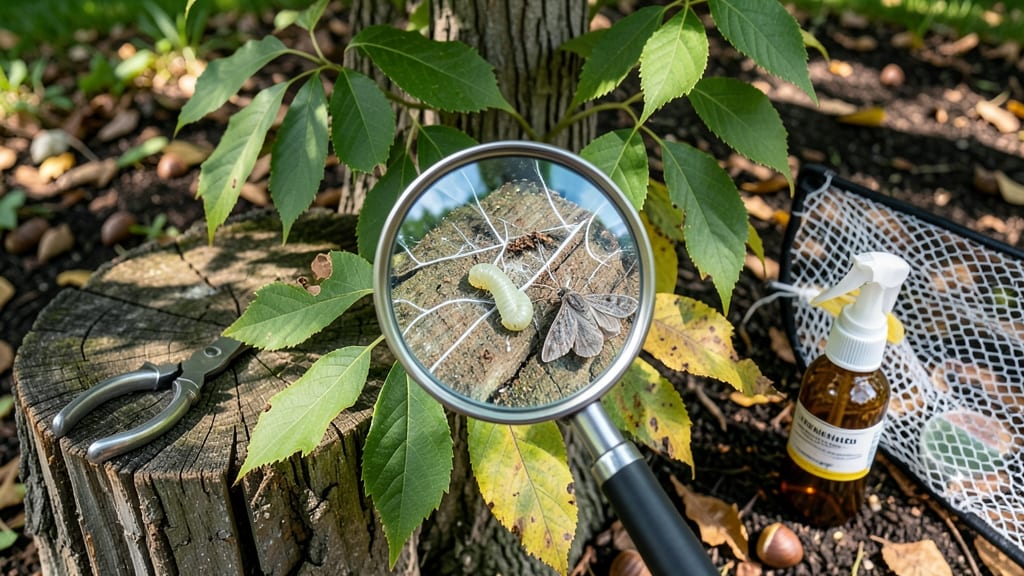
Seeing Swiss-cheese leaves on your oak or maple? 🌳 Those holes aren’t just unsightly—they’re a sign your tree’s under attack, and the culprit could be anything from hungry caterpillars to fungal invaders.
I’ve spent years tracking down these leaf mysteries, and the first step is figuring out whether you’re dealing with chewing pests, sucking insects, or something sneaky like leaf miner damage.
The most common suspects are tent caterpillars (those silky nests in branches), Japanese beetles (skeletonized leaves), or sawfly larvae (tiny, saw-toothed edges). But don’t overlook less obvious issues like fungal leaf spots or even physical damage from hail.
The key is checking the type of hole—ragged edges suggest caterpillars, while precise slits mean sawflies, and tiny specks could signal spider mites.
Once you ID the problem, solutions range from homemade sprays (neem oil for soft-bodied pests) to physical removal (handpicking caterpillars) or beneficial insects (ladybugs for aphids).
For severe cases, targeted organic pesticides work—but timing matters. Treat in late afternoon to protect bees, and repeat every 7-10 days until new growth appears.
Prevention is easier than cleanup: mulch properly, prune for airflow, and monitor weekly during peak pest seasons (spring and summer). Most trees bounce back fast if you catch it early—just don’t ignore those first warning holes.
Here’s how to turn your tree’s ragged leaves into a healthy comeback story.
Leaf Damage Explained: Root Causes
When you spot tiny holes or irregular punctures in your tree leaves, it’s rarely a random act of nature—it’s a sign of something actively feeding, decaying, or stressing the plant.
Understanding these causes helps you take precise action to protect your trees. Below, we break down the most common reasons behind leaf perforations, from sneaky invaders to environmental stressors.
Insects are the #1 reason for holes in leaves, and their feeding habits leave behind distinct clues. Here’s how to identify them:
- Caterpillars & Moth Larvae 🐛
These chewers leave ragged, irregular holes—often with frass (tiny black pellets) scattered around. Look for silk webbing or tunnels in leaves. Common offenders include tent caterpillars and gypsy moth larvae.
- Beetles & Leafminers 🪲
Beetles like the Japanese beetle create clean, round holes along leaf edges, while leafminers (tiny maggots) burrow serpentine trails inside leaves, causing blisters or transparent tunnels.
- Sawflies & Leaf Skeletonizers ✂️
Sawfly larvae eat only the soft tissue, leaving the leaf veins intact—a "skeletonized" look. Check the undersides of leaves for white, worm-like larvae.
💡 Pro Tip: Shake branches over a white sheet at dawn—many insects are sluggish in the morning and easy to spot!
While less obvious than insects, pathogens can cause holes by weakening leaf tissue, making it susceptible to wind, rain, or further damage. Here’s how to recognize them:
- Anthracnose Fungus 🍄
This fungus causes shot-hole symptoms: small, dead spots that fall out, leaving perforated holes with dark edges. Common on shade trees like sycamore and oak. Wet conditions worsen outbreaks.
- Bacterial Leaf Spot 🦠
Bacteria like Xanthomonas create water-soaked holes that expand and drop out, often oozing a yellowish liquid. Look for angular or irregular patterns.
- Powdery Mildew + Secondary Damage ❄️
While powdery mildew itself doesn’t punch holes, it weakens leaves, making them prone to tearing from wind or rain. Check for white, powdery patches first.
🌡️ Warning Sign: If holes appear after prolonged rain or high humidity, fungal/bacterial infection is likely. Prune infected leaves immediately to prevent spread.
Not all leaf holes come from living things—sometimes, physical stress or weather damage does the job. Here’s how to tell:
- Hail or Wind Damage ⚡
Large, jagged tears or crushed areas are classic signs of storm damage. Unlike insect holes, these are randomly shaped and often affect multiple leaves at once.
- Ozone or Air Pollution 🏭
In urban areas, ground-level ozone causes stippling (tiny, brown dots) that can merge into larger holes. Leaves may also show yellowing between veins.
- Mechanical Injury 🪒
Lawnmowers, string trimmers, or even bird pecking can create puncture-like holes. These are usually isolated and lack frass or webbing.
🎯 Key Difference: Environmental holes lack frass, webbing, or trails—they’re purely physical.
Sometimes, holes appear because leaves are too weak to fight off stress. Poor nutrition or herbicide drift can leave trees vulnerable:
- Nitrogen Deficiency 🌱
Leaves may develop small, brown dead spots that drop out, especially on young growth. Older leaves often yellow first.
- Herbicide Drift 🚫💊
Non-selective herbicides (like glyphosate) can cause bleached or perforated holes on leaves. Symptoms appear 1–3 weeks after exposure.
- Salt or Soil Toxicity 🧂
Excess salt (from de-icing or poor soil) leads to crispy, brown edges that may tear into holes. Test soil pH if this is suspected.
💡 Soil Test Tip: Send a sample to a local extension office—it’s the only way to confirm nutritional deficiencies accurately.
Fixing Leaf Damage Step by Step
Now that you’ve identified the culprit behind those pesky holes in your tree’s leaves, it’s time to take action! Whether it’s hungry insects, fungal infections, or environmental stressors, each problem has a targeted solution.
Below, we’ll break down practical fixes for the most common causes—plus prevention tips to keep your trees thriving long-term.
If chewed leaves, frass (insect droppings), or tiny webs are the culprits, these steps will help you reclaim your tree’s health.
🔥 Identify the Pest First
Before treating, confirm whether you’re dealing with:
- Caterpillars (ragworms, loopers, or tent caterpillars)
- Beetles (Japanese beetles, leaf miners, or bark beetles)
- Aphids, mites, or sawflies (tiny but destructive)
- Slugs or snails (nighttime nibblers)
Pro Tip: 💡 Use a magnifying glass or take close-up photos to spot subtle differences in body shape, size, or damage patterns.
🍳 Natural & Chemical Remedies
| Pest Type | Solution | When to Apply |
|---|---|---|
| Caterpillars | Bt (Bacillus thuringiensis) spray or neem oil | Early morning or late evening |
| Japanese Beetles | Handpick (drop into soapy water) or milky spore powder for long-term control | Peak feeding hours (10 AM–4 PM) |
| Aphids/Mites | Soapy water spray (1 tbsp mild soap per gallon) or horticultural oil | Every 3–5 days until gone |
| Leaf Miners | Remove infested leaves + kaolin clay (confuses larvae) | Early spring before eggs hatch |
| Slugs/Snails | Beer traps (bury a cup filled with beer) or iron phosphate bait | Damp evenings |
Pro Tip: 🌡️ Timing is key! Apply treatments before pests become widespread—early spring or late summer are ideal for most insects.
👨🍳 Physical Barriers & Traps
- Row covers (for young trees) to block flying pests.
- Pheromone traps for Japanese beetles or gypsy moths (check local regulations first).
- Sticky traps near tree trunks to catch crawling insects.
If holes are paired with yellowing, spots, or powdery residue, a fungal infection might be to blame. Act fast to prevent it from worsening.
🔪 Prune & Clean Infected Areas
- Remove damaged leaves (drop them in a sealed bag—don’t compost them!).
- Sterilize pruners with rubbing alcohol between cuts.
- Thin out dense foliage to improve airflow (fungi love humidity).
🥘 Fungicide Treatments
- Copper-based fungicides (effective against anthracnose, leaf spot).
- Baking soda spray (1 tsp baking soda + 1 quart water + a drop of soap) for mild cases.
- Organic options: Neem oil or potassium bicarbonate.
Pro Tip: ✨ Water at the base, not overhead, to keep leaves dry and reduce fungal spores.
If holes appear irregular, dry, or paired with wilting, your tree might be struggling with wind, drought, or poor nutrition.
💡 Immediate Fixes
- Water deeply (1–2 inches per week, especially in drought).
- Mulch around the base (2–3 inches of organic mulch to retain moisture).
- Fertilize with a balanced, slow-release fertilizer (look for NPK ratios like 10-10-10).
🌳 Long-Term Prevention
- Plant windbreaks (like shrubs or evergreens) to shield young trees.
- Choose disease-resistant varieties when replacing trees.
- Avoid over-pruning—healthy foliage is less vulnerable to stress.
Once your tree is healthy, stay proactive with these habits:
- Regular inspections (check leaves weekly during growing seasons).
- Encourage beneficial insects (ladybugs, lacewings) with native plants.
- Clean up fallen leaves in autumn to reduce overwintering pests.
- Avoid overwatering—soggy soil invites fungi and root rot.
Final Thought: 🎯 Most leaf damage is manageable with early action. Start with the simplest fixes (like pruning or watering) before reaching for chemicals. Your tree will thank you with lush, hole-free foliage in no time!
Frequently asked questions
Why do some leaves get holes while others on the same tree stay intact?
Pests and diseases often target younger, softer leaves first because they’re more tender and nutrient-rich. New growth at the tips of branches is especially vulnerable. Also, insects may focus on sun-exposed leaves where they’re easier to spot, while shaded leaves escape notice. Check both upper and lower branches for a full picture.
Can holes in leaves eventually kill my tree?
Not usually—most trees survive minor leaf damage, as they produce new leaves seasonally. However, severe infestations (like gypsy moths) can defoliate trees completely, stressing them enough to weaken growth or attract secondary pests. If more than 50% of leaves are damaged for two years in a row, the tree’s health may decline long-term.
How do I tell if holes are from pests vs. disease vs. weather?
Look for these clues: Pests leave frass (tiny droppings), webbing, or visible insects; diseases show spots, powdery residue, or yellowing before holes form; weather damage creates jagged tears without frass or trails. Shake leaves over white paper at dawn—captured insects confirm the culprit.
Will my neighbor’s tree problems spread to mine?
Yes, especially if the issue is pests like Japanese beetles or gypsy moths, which fly between trees. Fungal spores also spread via wind or water. Monitor your tree closely during peak seasons (spring/summer) and treat early. A 20-foot buffer of mulch or native plants can help create a natural barrier.
Can I save a tree with severe leaf damage?
Focus on removing damaged leaves, improving soil health with compost, and watering deeply (1–2 inches per week). For pests, use targeted solutions like Bt spray for caterpillars or neem oil for soft-bodied insects. Most trees recover fully within 1–2 growing seasons if the root system stays healthy.