
Pruning
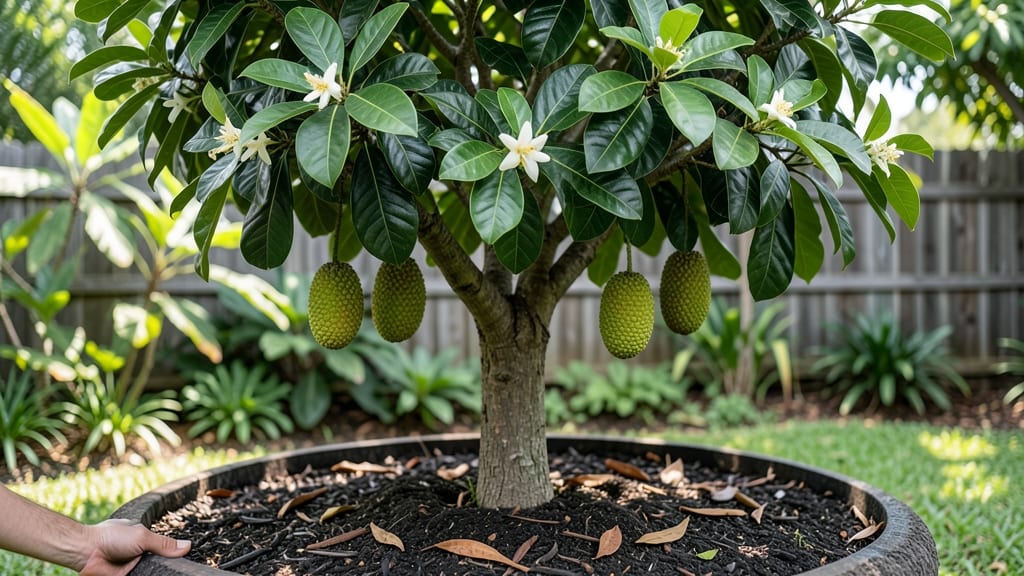
The size of a sugar apple tree 🍈 can swing wildly—from a compact 8-foot dwarf to a towering 30-foot jungle giant, depending on the variety you choose.
If you're dreaming of growing sugar apples but worried about space constraints, understanding their mature size is critical—some varieties stay compact while others tower like jungle giants. A standard sugar apple tree can easily outgrow a small backyard, leaving you with a fruit tree that’s more trouble than it’s worth.
But here’s the good news: dwarf varieties exist, and with the right pruning techniques, even standard trees can be kept in check. Below, I’ll break down the height and spread expectations for both dwarf and standard sugar apple trees, plus tips for managing their size in containers or tight spaces.
You’ll also discover how climate and soil type affect growth rates, which varieties thrive in urban settings, and how to prune for maximum fruit production without sacrificing aesthetics.


Sugar apple tree size at maturity: dwarf vs standard varieties compared
Choosing the right sugar apple tree size depends entirely on your space and goals. The common sugar apple (Annona squamosa) typically matures between 15-30 feet tall, while dwarf varieties stay under 12 feet.
This dramatic difference means the wrong choice could leave you with a jungle-sized tree in a tiny backyard—or a frustratingly small harvest from an overpruned giant.
For urban gardeners or container growers, dwarf varieties are game-changers, offering fruit production without the space. Meanwhile, standard varieties thrive in tropical backyards but require careful planning to avoid shading out other plants. Let’s break down the key differences so you can pick the perfect fit for your garden.
🌱 Pro Tip: Always check the specific variety’s tags—some "dwarf" trees still need 8-10 feet of clearance for branches.
The common sugar apple grows aggressively, reaching tree-like proportions in 3–5 years. If you love the idea of a tropical fruit tree but lack space, dwarf varieties are your best bet—they produce fruit just as sweetly while staying manageable.
For example, a 10-foot dwarf fits perfectly in a 5x5 ft patio area, while a standard tree would dwarf even a 20x20 ft yard.
Growth rates vary wildly: standard varieties can add 5 feet per year, while dwarfs grow 2–3 feet annually. This means your 3-year-old dwarf will be harvest-ready, whereas a standard tree might take 5+ years to bear fruit. Patience pays off, but space constraints often demand the dwarf route.
Container growing is possible with dwarf varieties, but pot size matters. A 15-gallon container works for young dwarfs, but mature trees need 25+ gallons to avoid root-bound stress. Always use fast-draining soil mixes with perlite or sand to prevent root rot—a common killer of potted fruit trees.
Standard varieties need full sun and wide spacing. Plant them 20–25 feet apart to prevent overcrowding, which stunts growth and reduces fruit production. In contrast, dwarfs thrive 10–12 feet apart or even in container clusters for urban gardens. This flexibility makes them ideal for small-space fruit lovers.
Pruning plays a huge role in managing size. Even standard trees can be topped to control height, though this may reduce fruit yield slightly. For dwarfs, light pruning after harvest keeps them tidy without sacrificing production. Always use sterilized tools to prevent disease spread during pruning sessions.
💡 Climate Note: Sugar apples grow best in USDA Zones 10–12. In cooler zones, dwarfs are the only viable option—they’re hardier and recover better from brief cold snaps than standard trees.
If you’re torn between varieties, consider your long-term goals. A standard tree offers abundant fruit but requires commitment to space and maintenance. Dwarfs deliver convenience and early harvests, perfect for balcony gardens or small urban lots.
Whichever you choose, soil quality and sunlight will dictate how well your tree thrives.
How to choose the right sugar apple tree size for your space
Choosing the right sugar apple tree size depends entirely on your available space. Whether you're working with a balcony container, a backyard corner, or a large patio area, selecting the right variety ensures you get fruit without sacrificing your garden layout.
My experience shows that even small spaces can thrive with the right approach!
For urban gardeners or those with limited yards, dwarf varieties like 'Dwarf Sugar Apple' are perfect—they top out at 8-12 feet tall and 6-8 feet wide. These compact trees produce just as many fruits as their larger counterparts but require far less room.
If you're lucky enough to have a backyard garden, standard varieties can reach 20-30 feet tall, so plan accordingly!
🌱 Styled List: Sugar Apple Tree Sizes by Space Type
- Balcony/Container: Dwarf varieties (8-12 ft) in 15-20 gallon pots with pruning to control height. Ideal for 1-2 trees per space.
- Patio/Garden Bed: Semi-dwarf (12-18 ft) with 6-8 ft spread. Needs 6+ ft clearance for branches. Perfect for small yards or privacy screens.
- Backyard: Standard varieties (20-30 ft) require 15+ ft clearance and 10-12 ft spread. Best for large properties or orchard-style planting.
- Pruning Tip: Annual pruning in late winter keeps trees 20-30% smaller while boosting fruit production. Remove dead or crossing branches first.
- Container Hack: Use root pruning every 2-3 years to encourage compact growth in pots. Repot every 3 years for healthier roots.
If you're growing sugar apples in containers, remember that pot size matters just as much as the tree variety. A 15-gallon container works for dwarf trees, but you'll need to prune regularly to prevent root-bound stress.
I’ve found that using well-draining soil mixes with compost helps keep roots healthy in confined spaces.
For backyard gardeners, spacing is key. Plant standard varieties 15-20 feet apart to allow airflow and sunlight penetration, which reduces disease risk. If you're planting multiple trees, consider pollination needs—some varieties are self-pollinating, while others require a second tree for fruit set.
One of my favorite pruning techniques is the open-center method, where I remove branches from the center of the tree to create an open canopy.
This not only controls size but also makes fruit harvesting easier and improves air circulation. Always use sterilized pruners to avoid spreading disease between cuts!
No matter your space, remember that patience pays off. Sugar apple trees take 2-3 years to bear fruit, but with the right size and care, you’ll enjoy a bountiful harvest for decades.
Start small, monitor growth, and adjust pruning as needed—your garden (and your fruit bowl!) will thank you. 🍈