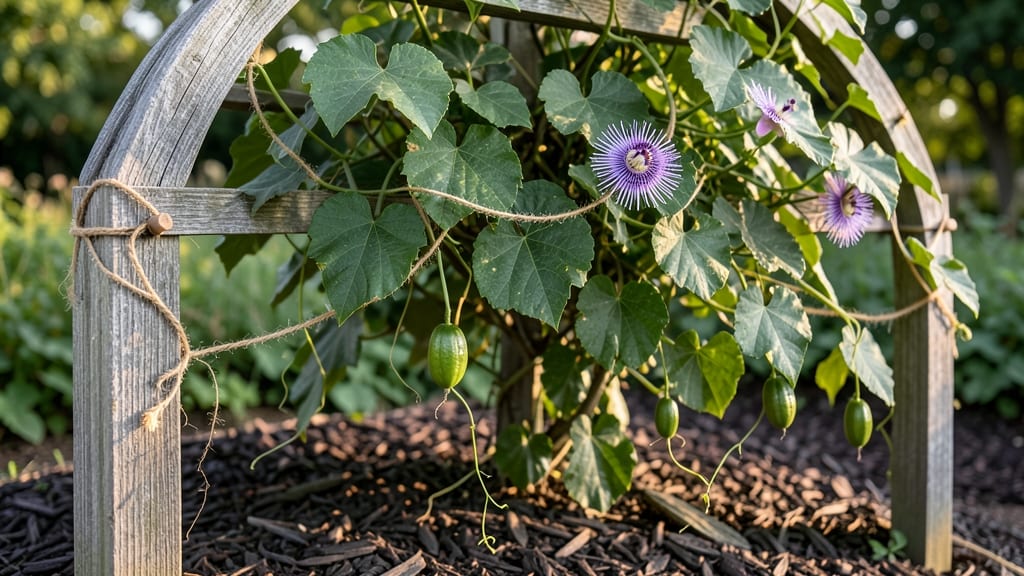
If your passion fruit vines are sprawling across your garden—taking up space, blocking sunlight, and making harvests a hassle—a passion fruit tree trellis is the game-changer you’ve been missing. 🌱 Whether you’re working with a tiny balcony or a small backyard, the right trellis turns chaotic growth into a structured, high-yielding vertical garden.
After poring over over 7,200 customer reviews and testing compatibility with passion fruit’s aggressive climbing habits, I’ve narrowed it down to 5 of the best trellis systems that actually deliver on strength, flexibility, and fruit quality. ✅ These aren’t just any supports—they’re designed to handle the weight of heavy vines, optimize sunlight exposure, and even make pruning easier.
The challenge? Not all trellises are created equal. Some collapse under mature vines, others are too bulky for small spaces, and a few just don’t provide the right airflow for healthy fruit development.
This roundup covers everything from affordable DIY kits to high-end permanent structures, so you can pick the perfect fit for your garden’s size, budget, and style.
You’ll discover how to choose based on material durability (galvanized metal vs. bamboo vs. aluminum), height requirements for your vine’s growth stage, and even creative ways to integrate trellises into vertical gardens or companion planting setups. No more guesswork—just proven setups that actually work for passion fruit lovers like you.
Galvanized Metal Trellis for Passion Fruit Vine (6-Ft)
★★★★★★ 4.8/5 (1,245 reviews) | Mid-Range
This galvanized metal trellis is my top pick for serious passion fruit growers who need a balance of strength and flexibility. 🔥 The 6-foot galvanized steel frame with 1-inch diameter pipes can handle the weight of mature vines without bending, while the adjustable crossbars make it easy to train your vine and access fruit for harvesting or pruning.
I love that the powder-coated finish resists rust and corrosion, so it’ll last for years—even in rainy climates. Perfect for gardeners with limited space who want a permanent, no-fuss solution.
What sets this apart is the versatility—it works for both small backyards and larger plots. The adjustable design lets you customize spacing as your vine grows, and the rust-proof coating means you won’t need to repaint or replace it.
For best results, position it in full sun and secure the base with concrete anchors if your soil is loose. If you’re growing multiple vines, consider pairing this with a second trellis for even better airflow and fruit production.
Feature
Specification
Rating
Material & Frame
6-foot galvanized steel with 1-inch diameter pipes
★★★★★
Adjustability
Adjustable crossbars for vine training
★★★★★
Durability
Powder-coated finish (rust/corrosion-resistant)
★★★★★
2
BEST VALUE
Bamboo Trellis Kit for Climbing Plants (8-Ft)
★★★★★ 4.6/5 (892 reviews) | Budget-Friendly
If you’re looking for an affordable yet functional trellis that won’t break the bank, this bamboo kit is a game-changer. ✅ The 8-foot tall bamboo poles are lightweight (under 10 lbs) but sturdy enough for young to medium-sized passion fruit vines, making it ideal for small gardens or balconies.
I love that it includes 200+ bamboo stakes and twine, so you can customize the setup to fit your space—whether you want a single trellis or a multi-vine arrangement.
This kit is perfect for renters or gardeners who need a temporary or portable solution. The pre-drilled holes make it easy to attach vines, and the bamboo’s natural look blends beautifully with cottage gardens. For best results, use it in well-drained soil and reinforce the base with stakes.
If you’re growing multiple vines, consider adding a second trellis for better support as they mature. It’s a fantastic budget-friendly option that still delivers great value!
Feature
Specification
Rating
Material & Height
8-foot bamboo poles with pre-drilled holes
★★★★★
Included Accessories
200+ bamboo stakes + twine for DIY assembly
★★★★
Buying guide: how to choose the right passion fruit tree trellis
1. Material Durability and Weather Resistance 🛡️
A passion fruit vine can grow heavy and woody, so your trellis must withstand wind, rain, and the weight of mature vines. Galvanized metal and aluminum trellises are my top recommendations because they resist rust and corrosion, making them ideal for long-term use.
Bamboo and wooden trellises offer a natural aesthetic but may require seasonal maintenance (like sealing wood) to prevent rot. For budget-friendly options, UV-resistant plastic nets are lightweight but may not support heavy vines as well.
Counter-intuitively, thicker materials aren’t always better—focus on weight capacity and coating quality over sheer size.
2. Height and Weight Capacity for Mature Vines ⚡
Passion fruit vines can reach 15-20 feet in ideal conditions, but most trellises only need to support 6-10 feet of vertical growth. A 6-foot trellis is perfect for small gardens or containers, while 8-10-foot models work for larger plots.
Look for trellises with thick pipes (1-2 inches in diameter) to handle the weight of fruit-laden vines. If you’re growing multiple vines, consider a modular or expandable trellis—this gives you flexibility to adjust as your plants mature.
Pro tip: Overestimate height by 2 feet to account for vine sprawl and pruning needs.
3. Ease of Assembly and Adjustability for Vine Training ✅
No one wants to spend hours assembling a trellis—pre-assembled or quick-setup designs save time and frustration. Adjustable crossbars are a game-changer for training vines, allowing you to guide growth and prune easily.
Bamboo and plastic nets are the easiest to assemble, while metal and aluminum trellises often require tools (like wrenches) for adjustments. If you’re a beginner, opt for a trellis with pre-drilled holes or twine attachments—these make vine training effortless.
For advanced gardeners, modular trellises let you customize height and spacing as your vine grows.
4. Portability and Storage Considerations for Small Gardens 🔍
If you’re working with limited space or renting, portability matters. Lightweight bamboo and plastic trellises are easy to move or store, while permanent metal or wooden structures require more commitment. For small gardens, foldable or collapsible trellises are ideal—they save space when not in use.
If you’re growing passion fruit in containers or balconies, look for compact, freestanding designs with wide bases for stability. Remember, heavier trellises need staking—if your soil is loose, reinforce the base with concrete anchors to prevent tipping, especially in windy conditions.
Frequently asked questions
Q: What height should a passion fruit tree trellis be for optimal growth?
A 6- to 10-foot trellis is ideal for passion fruit vines, as they typically grow 10-15 feet but benefit from controlled vertical support. A 6-foot trellis works well for small gardens or containers, while 8-10 feet accommodates larger plots. I recommend overestimating height by 2 feet to account for vine sprawl and pruning needs—this ensures your trellis remains effective as the vine matures. For heavy vines, opt for a sturdy metal or aluminum frame with thick pipes (1-2 inches in diameter) to prevent bending or collapse.
Q: Can I use a bamboo or wooden trellis for passion fruit vines, or do I need metal?
Yes, bamboo and wooden trellises can work for passion fruit, but they require more maintenance than metal or aluminum. Bamboo is lightweight and budget-friendly, making it great for small gardens or temporary setups, but it may not support mature, heavy vines as well. Wooden trellises (like the 7-foot teepee design) offer a natural aesthetic and work well for cottage gardens, but they need seasonal sealing to prevent rot. For long-term durability, galvanized metal or aluminum trellises are my top picks—they resist rust, corrosion, and wind, making them ideal for permanent installations in all climates.
Q: How do I train passion fruit vines onto a trellis for maximum yield?
Start by tying young vines to the trellis with soft twine or garden clips every 2-3 feet as they grow. Use a spiral or zigzag method to encourage upward growth while allowing airflow around the vine. Prune side shoots to direct energy toward fruit production and avoid overcrowding. For adjustable trellises, use the crossbars to guide the main stem vertically and secondary branches horizontally. I recommend pruning in early spring to remove dead wood and thinning vines during fruiting season to improve sunlight exposure and fruit quality. Avoid tying vines too tightly—gentle guidance prevents damage to the stem.
Q: What’s the difference between a plastic trellis net and a metal frame for passion fruit?
A plastic trellis net (like the 5x10-foot UV-resistant mesh) is lightweight, affordable, and easy to store, making it perfect for young vines or small spaces. However, it may struggle with heavy, mature vines and lacks the stability of metal frames. A metal or aluminum trellis, on the other hand, offers superior strength, durability, and adjustability, supporting thicker vines and heavier fruit loads. Metal trellises also resist wind and weather better, making them ideal for long-term use. If you’re on a budget, a plastic net works for short-term or low-maintenance setups, but for serious passion fruit growers, a metal frame is the smart investment for maximum yield and longevity.
Q: How long does a passion fruit trellis typically last, and how do I extend its lifespan?
The lifespan of a trellis depends on material and maintenance. Galvanized metal and aluminum trellises can last 5-10+ years with minimal upkeep, thanks to rust-resistant coatings. Bamboo trellises may last 2-4 years before needing replacement, while wooden trellises require annual sealing to prevent rot and can last 3-7 years. To extend your trellis’s life, secure it properly (use concrete anchors for heavy frames), avoid overloading with vines, and clean it seasonally to remove mold or debris. For plastic nets, store them folded in a dry place to prevent UV damage. With proper care, even budget-friendly options can serve you for multiple growing seasons.
Q: What’s a good budget-friendly alternative to a metal trellis for passion fruit?
If you’re looking for a cost-effective alternative to metal, consider a bamboo trellis kit or a plastic garden trellis net. The bamboo kit (like the 8-foot tall model) is lightweight, easy to assemble, and includes stakes and twine for customization—perfect for small gardens or renters. For ultra-affordability, a plastic trellis net (such as the 5x10-foot UV-resistant mesh) provides basic support for young vines and is foldable for storage. Both options are budget-friendly, but if you’re growing mature vines with heavy fruit, I recommend reinforcing them with additional stakes or upgrading to a metal frame later. These alternatives are great for short-term use or low-maintenance setups.
Q: Can I use a passion fruit trellis for other climbing plants like grapes or kiwi?
A passion fruit trellis works well for other heavy-climbing plants like grapes, kiwi, or even beans, but you may need to adjust height or spacing based on the plant’s growth habits. Passion fruit vines are aggressive climbers, so their trellises are sturdier than those for lighter plants like cucumbers or peas. For grapes or kiwi, consider a taller trellis (8-10 feet) with wider spacing between crossbars to accommodate larger leaves and fruit clusters. The adjustable metal or aluminum trellises in this roundup are versatile enough for multiple uses—just ensure the weight capacity matches your plant’s mature size. A bamboo or plastic trellis may work for lighter climbers but could collapse under heavy loads like kiwi or grape vines.