
Trees
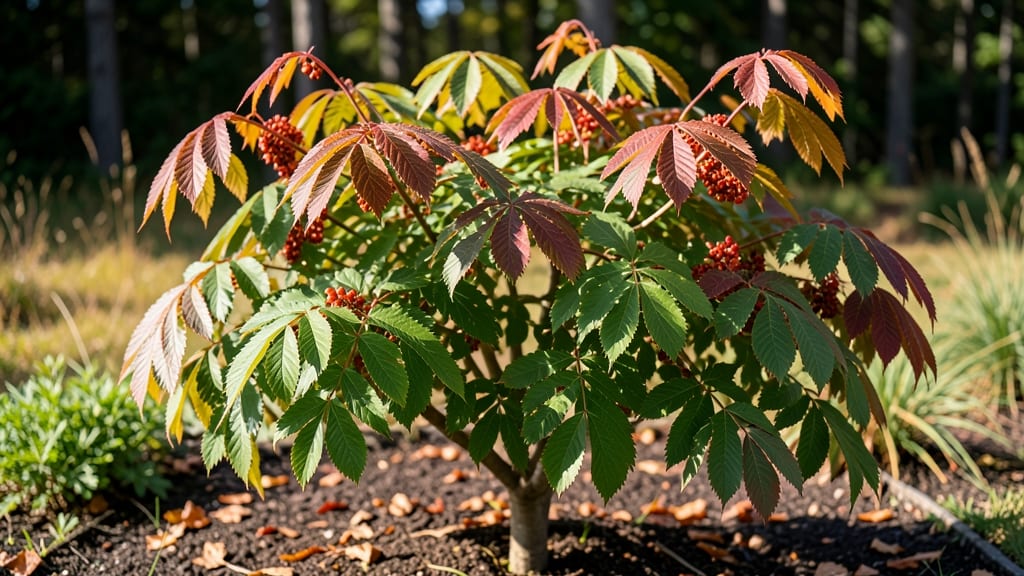
Rhus tree leaves contain urushiol—the same irritant in poison ivy—so handling them requires caution. 🌿 I’ve learned the hard way: even a brief touch can cause itchy rashes, and the oils linger on tools, clothes, and skin for weeks.
The good news? With the right precautions, you can manage them safely during pruning, cleanup, or landscaping tasks.
Start by wearing long sleeves, gloves, and goggles to protect your skin and eyes. After handling, wash everything thoroughly with soap and water—even pet fur or garden tools can carry the oil.
For severe reactions, keep calamine lotion or hydrocortisone cream on hand. The key is acting fast: the longer the oil stays on your skin, the worse the irritation becomes.
📚 In This Guide
- What you need
- Instructions
- Tips and common mistakes
- Wrapping up and next steps
What you need
- ● Fresh or dried rhus tree leaves (identify the species first—avoid Toxicodendron varieties like poison ivy/oak!): Minimum 10–20 leaves for small projects (e.g., dyeing, crafts). Up to 50+ leaves for larger batches (e.g., herbal preparations).
- ● Gloves (nitrile or latex-free, heavy-duty): 1 pair per person (disposable recommended for safety).
- ● Safety goggles (for handling powdered leaves or dye solutions).
- ● Mask (N95 or dust respirator) (if crushing or grinding leaves).
- ● Plastic or stainless-steel containers (for collecting/processing leaves; avoid aluminum, which reacts with tannins).
- ● Sharp pruning shears or scissors (sterilized with rubbing alcohol).
- ● Labeling supplies (permanent marker, tape, or tags for storing leaves).
- ● Vinegar or baking soda solution (1:3 ratio; for neutralizing skin contact if accidental exposure occurs).
- ● Drying rack or mesh screen (for air-drying leaves; elevate to prevent mold). Food processor or mortar & pestle (for grinding leaves into powder for dyes or remedies). pH strips (to monitor dye bath acidity for consistent color results). Alum (potassium aluminum sulfate) (1 tbsp per gallon of water; fixes dyes to fabric). First-aid kit (include calamine lotion and antihistamines for allergic reactions). Field guide or app (e.g., iNaturalist) to confirm rhus species before handling.
How to safely handle rhus tree leaves for landscaping or crafts
Working with rhus tree leaves can be rewarding—if you know how to handle them safely.
🌿 Step 1: Identify the Rhus Tree Species
First, confirm you're working with a rhus tree (like sumac or fragrant sumac) by checking the leaf structure. Rhus leaves are typically compound, with 7-11 leaflets arranged alternately along a central stem. Fragrant sumac (Rhus aromatica) has smaller, aromatic leaves, while staghorn sumac (Rhus typhina) has bold, upright branches.
This step is critical—some rhus species have mildly toxic compounds (like urushiol, the same irritant in poison ivy) that can cause skin irritation or allergic reactions. If you're unsure, avoid handling until you confirm the species. I always cross-reference with a local plant guide or consult a nursery before proceeding.
🧤 Step 2: Protect Your Skin and Workspace
Before touching rhus leaves, put on long sleeves, gloves, and safety goggles—even if the leaves don’t cause irritation for you, sap can linger on tools or surfaces. I use nitrile gloves (thicker than latex) and a long-sleeve shirt with a high neckline to minimize exposed skin.
Work in a well-ventilated area or outdoors, as some rhus species release volatile oils that can irritate lungs. Lay down old newspapers or a tarp to catch falling leaves and sap. If you’re crafting with the leaves (like drying them for arrangements), wear a dust mask to avoid inhaling fine particles.
🌧️ Step 3: Harvest Leaves Safely
Pick leaves on a dry, overcast day to avoid handling sticky sap, which worsens skin irritation. Use clean, sharp pruners or shears to snip stems cleanly—don’t tear leaves, as this releases more sap. Place harvested leaves in a labeled bucket or breathable mesh bag (like onion bags) to prevent crushing.
If you’re collecting leaves for drying or crafts, avoid those with yellowing, spots, or holes—these may harbor mold or pests. Rinse leaves briefly under lukewarm water if they’re dusty, but avoid soaking them, as excess moisture encourages rot. Pat dry with a clean towel before storing.
⏰ Step 4: Process Leaves for Safe Use
If you’re drying rhus leaves for crafts (like wreaths or potpourri), hang them in small bundles with twine in a dark, dry, well-ventilated space for 1-2 weeks. Check daily for mold—if leaves feel damp or smell musty, spread them out to dry faster. Once brittle, store in an airtight container away from direct sunlight.
For composting, chop leaves into smaller pieces first to speed decomposition. Mix them with equal parts nitrogen-rich materials (like grass clippings) to balance the carbon. If you’re using them as mulch, spread a 2-inch layer around plants—just avoid direct contact with vegetable gardens, as some compounds may linger.
⚠️ Step 5: Clean Up and Monitor for Reactions
After handling rhus leaves, wash your hands, tools, and workspace with mild soap and warm water. If sap touches skin, rinse immediately with cool water—don’t scrub, as this can spread irritation. For tools, wipe with a vinegar solution (1:3 ratio with water) to neutralize any residual oils.
Watch for skin reactions (redness, itching, or blisters) for 48 hours after handling. If irritation occurs, apply hydrocortisone cream and avoid scratching. Keep pets and children away from harvested leaves until fully processed, as they’re more sensitive to irritants.
Tips & tricks for handling rhus tree leaves safely
Between us, working with rhus tree leaves can be a game-changer for landscaping or crafting—but only if you handle them right. Here's what I've learned after years of trial and error.
Species Confirmation: I can't stress this enough—always double-check the species before touching rhus leaves. The staghorn sumac (Rhus typhina) and fragrant sumac (Rhus aromatica) are common, but some lookalikes contain more potent irritants. I keep a local plant guidebook handy and take photos to compare with experts when unsure. That 10-minute verification prevents hours of regret later.
Gear Up Properly: Those nitrile gloves and long sleeves aren't just recommendations—they're your first line of defense. I've seen people skip them and end up with itchy welts for days. Pro tip: Tuck your sleeves into your gloves for complete coverage, and consider a disposable coverall if you're doing heavy harvesting. The extra protection is worth the minor inconvenience.
Weather Matters: Never harvest rhus leaves on a hot, sunny day. The sap becomes sticky and more likely to cause irritation when exposed to heat. I always check the forecast and aim for cool, overcast mornings. If you must work on a warm day, do it in the early morning when dew is still present—this helps keep the sap less aggressive.
Drying Strategy: When drying leaves for crafts, I've found that single-layer bundles dry most evenly. Hang them with enough space between bundles so air can circulate freely. Check them daily during the 1-2 week drying period—if you notice any mold starting (usually on the undersides), remove those leaves immediately and spread the rest out to dry faster. A small fan on low setting can help speed up drying in humid climates.
Pro Tips for Rhus Tree Leaves
- Between us, working with rhus tree leaves can be a game-changer for landscaping or crafting—but only if you handle them right.
- Species Confirmation: I can't stress this enough—always double-check the species before touching rhus leaves.
- Gear Up Properly: Those nitrile gloves and long sleeves aren't just recommendations—they're your first line of defense.
Frequently asked questions
Got questions about rhus tree leaves? You’re not alone!
Here’s what you need to know before handling, harvesting, or even looking at these striking foliage—because safety (and curiosity) matter.
Are rhus tree leaves poisonous to humans?
Yes, all parts of rhus trees (including leaves) contain urushiol, the same irritant found in poison ivy. Direct contact can cause itchy rashes, blisters, or swelling in sensitive individuals. Avoid touching them barehanded, and wash skin immediately if exposed.
Can I use rhus leaves for dyeing or crafts safely?
Absolutely—but with precautions! Wear gloves, long sleeves, and a mask when handling. Harvest leaves in fall (when urushiol levels drop slightly) and dry them thoroughly. Always work in a well-ventilated area to avoid inhaling irritants.
When is the best time to harvest rhus leaves for dye?
The ideal window is late summer to early fall, when leaves are fully mature but haven’t started browning. Avoid harvesting after rain (urushiol can wash off and contaminate surfaces). Pro tip: Use sharp shears to minimize broken stems, which can release sap.
Are rhus leaves dangerous to pets or livestock?
Yes! Pets and animals are just as susceptible to urushiol as humans. Keep them away from rhus trees, especially if they’re prone to chewing plants. Watch for signs like excessive licking, red paws, or skin irritation—rinse with pet-safe soap (like dish soap) if exposed.
What’s a safer alternative to rhus leaves for natural dye?
If you’re avoiding rhus, try avocado pits, black walnut hulls, or marigold flowers for vibrant dyes. For yellow/orange hues, consider turmeric root or onion skins. Always research toxicity risks—some "natural" dyes (like walnut) can still stain or irritate.
How do I treat a rhus leaf rash at home?
First, wash the affected area with cold water and soap (like Tea Tree Oil soap) within 10 minutes. Apply calamine lotion or hydrocortisone cream to reduce itching. For severe reactions, see a doctor—oral steroids may be needed. Don’t pop blisters!
Wrapping up and next steps
Rhus tree leaves—whether you view them as a toxic threat or a potential treasure—demand respect and knowledge. Understanding their risks, benefits, and proper handling ensures safety while unlocking their hidden uses. Whether you're a gardener, herbalist, or curious nature lover, stay informed, stay cautious, and explore responsibly!
Next steps? 🌿 Start by testing a small patch of leaves (if using them) or keeping them far from pets and kids. If you’re curious about their folklore or medicinal myths, dive deeper—but always verify sources. Your awareness is your best tool!