
Pruning
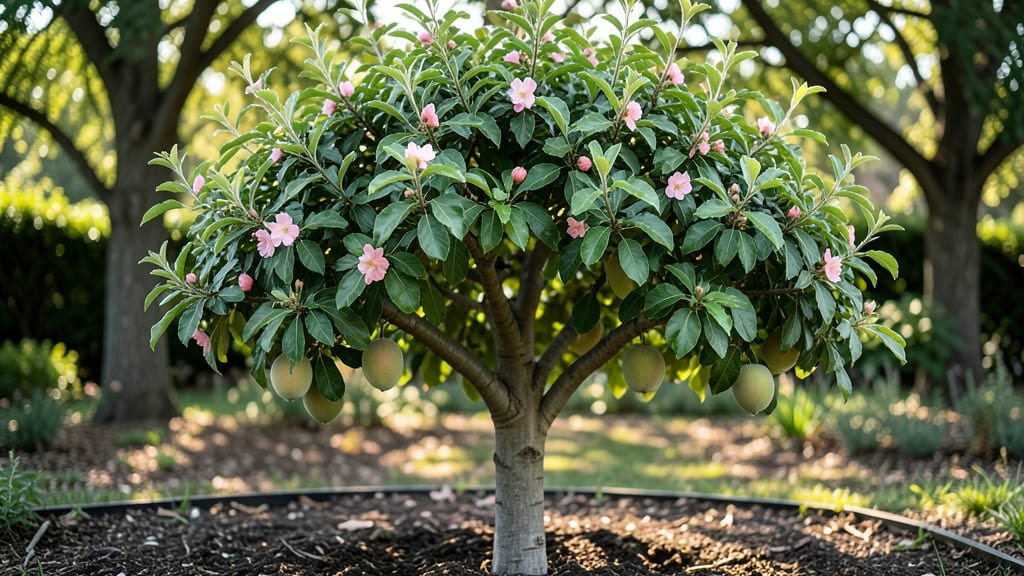
The reliance peach tree size can vary dramatically, from a compact 8 feet tall to a towering 20 feet, depending on the rootstock. 🌳 I’ve seen them dwarfed in small backyards and sprawling in orchards—it’s all about the variety and how you prune.
This size range means you can fit them into tight spaces or use them as focal points in larger gardens.
Dwarf varieties stay under 12 feet, perfect for urban gardens or containers, while standard rootstocks reach 15-20 feet, needing more space for airflow and sunlight. Proper spacing—12-15 feet apart—prevents overcrowding and makes pruning easier. If you’re short on room, semi-dwarf types (10-12 feet) strike a balance.
Size affects everything: pruning frequency, harvest accessibility, and even how much shade the tree casts. A dwarf Reliance peach tree fits neatly in a corner, while a full-sized one needs room to breathe. Prune young trees to shape them early—this keeps them manageable and boosts fruit production.
For small yards, choose dwarf rootstock; for orchards, standard sizes work best. Either way, the tree’s growth speed (moderate to fast) means you’ll see height gains of 2-3 feet per year—plan accordingly! The right size makes all the difference in a productive, low-stress peach harvest.
📚 In This Guide
- What you need
- Instructions
- Tips and common mistakes
- Wrapping up and next steps
What you need
- ● Reliance peach tree sapling: Choose the size you need—dwarf (6–8 ft), semi-dwarf (12–16 ft), or standard (20–25 ft). Pro tip: Nursery-grown, 1–2-year-old trees thrive best!
- ● Well-draining soil: A mix of native soil, compost (50%), and perlite/sand (20%) for optimal root health.
- ● Fertilizer: Slow-release, citrus-friendly 8-3-9 or organic compost (10-10-10 NPK ratio). 💡 Apply at planting and again in spring!
- ● Mulch: 2–3 inches of wood chips or straw to retain moisture and regulate temperature.
- ● Shovel & trowel: For digging the planting hole (width: 2x the root ball; depth: same as the root ball).
- ● Pruning shears: Sharp, bypass-style shears (sterilized with rubbing alcohol) for shaping.
- ● Watering can/hose with nozzle: Gentle spray for post-planting hydration.
- ○ Stakes & ties (optional): For young trees in windy areas (2–3 stakes, 6 ft tall).
- ○ Tree guard (optional): Wire mesh to protect against critters.
- ● Sunlight: Full sun (6–8+ hours daily). ✨ Reliance peaches love warmth!
- ● USDA Hardiness Zones: 5–9 (check your local climate compatibility).
- ● Spacing: VarietySpacing (ft) Dwarf8–10 ft apart Semi-dwarf12–15 ft apart Standard20–25 ft apart
- ● Water source: Drip irrigation or consistent access to water (1–2 inches/week).
Understanding Reliance peach tree size: variety-specific growth patterns
Peach tree size varies wildly—some stay small enough for containers while others reach towering heights. Here’s how to predict and manage growth based on variety.
🌱 Step 1: Identify Your Variety’s Mature Height Range
Reliance peach trees come in three primary size categories: dwarf (12–16 feet), semi-dwarf (16–20 feet), and standard (20–30 feet). Dwarf varieties like ‘Bonanza’ or ‘Redhaven’ are ideal for small yards, while standard types like ‘Elberta’ need room to sprawl. Check your tree’s label or ask the nursery—this determines spacing, pruning needs, and even rootstock type.
Here’s the key: dwarf trees require 8–10 feet of space, semi-dwarfs need 12–15 feet, and standard varieties demand 20+ feet of clearance. Planting too close forces competitive root systems, stunting fruit production. I always measure the mature height against my property before buying—trust me, you’ll regret a 25-foot tree in a 30-foot yard.
☀️ Step 2: Assess Growth Speed for Pruning Timing
Reliance peaches grow at different rates: dwarf varieties may reach 60% of mature height in 3–4 years, while standard trees take 5–7 years. This affects pruning schedules—aggressive early pruning can stunt dwarf trees permanently, while standard varieties need structural cuts every 2–3 years to maintain shape.
Watch for new growth flushes (typically spring and early summer) to time pruning. For dwarf trees, I remove no more than 25% of foliage annually—any more stresses the tree. Standard varieties can handle 30–40% removal if done in late winter before bud break. Always prune just outside the branch collar to prevent disease entry points.
🪴 Step 3: Adjust Spacing Based on Final Size
Dwarf trees thrive in 6x6-foot planting beds, semi-dwarfs need 8x8 feet, and standard varieties require 12x12 feet. Crowding leads to poor air circulation, which invites fungal diseases like brown rot. I space mine 2–3 feet wider than the mature canopy width—this prevents root competition and makes harvesting easier.
For container growing (dwarf varieties only), use 15-gallon pots with drainage holes and well-draining soil. Root-bound trees produce smaller fruit, so repot every 2–3 years in spring. If you see roots circling the pot, it’s time to upgrade—healthy roots should spread outward, not coil inward.
✂️ Step 4: Monitor Growth Rate with Seasonal Checkpoints
Measure trunk diameter annually in early spring—healthy growth adds 0.25–0.5 inches per year. If growth stalls, check for compacted soil, pests, or nutrient deficiencies. Dwarf trees should show new branches within 2 years; standard varieties take 3–4 years. Slow growth often signals root damage from overwatering or poor drainage.
For fast growers, I prune late winter to remove water sprouts (shoots growing straight up from the trunk). These sap-suckers drain energy from fruit production. Use clean, sharp shears and sterilize with rubbing alcohol between cuts to prevent bacterial spread. The goal is an open-centered canopy—this ensures sunlight reaches all fruit.
💧 Step 5: Adapt Watering to Size and Age
Young trees (first 3 years) need deep watering every 5–7 days, while mature trees handle weekly deep soakings. Dwarf varieties in containers dry out faster—check soil 1 inch below the surface before watering. Overwatering dwarfs leads to root rot, while standard trees develop deep taproots that tolerate drought better.
Mulch with 3 inches of wood chips (keep 6 inches from the trunk) to retain moisture. For standard trees, I create a 6-foot-wide mulch ring—this mimics natural forest conditions and reduces watering frequency. Avoid synthetic mulches; organic matter improves soil structure over time.
Tips & tricks for managing Reliance peach tree growth
Working with peach trees means understanding how size affects everything from planting to pruning. Here's how to navigate the growth patterns that shape your tree's future.
Variety-Specific Pruning: Dwarf varieties like 'Bonanza' reach 60% of their mature height in just 3-4 years, while standard trees like 'Elberta' take 5-7 years. This means your pruning approach should change dramatically—aggressive cuts on dwarfs can permanently stunt them, while standard trees can handle more dramatic structural pruning every 2-3 years. I always mark my calendar for late winter pruning (just before bud break) to avoid damaging new growth flushes that appear in spring.
Container Growing Secrets: For dwarf varieties in 15-gallon pots, you'll need to repot every 2-3 years to prevent root binding. The key is checking for roots circling the pot's bottom—healthy roots should fan outward. I use a mix of well-draining soil and add a 3-inch layer of wood chips around the base (keeping 6 inches from the trunk) to mimic natural conditions. This simple mulch ring prevents soil compaction and retains moisture better than synthetic alternatives.
Growth Monitoring System: Measure your tree's trunk diameter annually in early spring—healthy growth should add 0.25-0.5 inches per year. If your dwarf tree isn't showing new branches within 2 years or your standard variety takes longer than 3-4 years, it's likely suffering from root damage or nutrient deficiencies. I keep a simple growth chart where I record measurements and note any unusual growth patterns—this helps me catch problems before they become serious.
Watering by Tree Type: The watering needs differ dramatically between young trees (first 3 years) and mature ones. Young trees need deep waterings every 5-7 days, while mature trees can handle weekly deep soakings. Here's my trick: I use a moisture meter to check soil 1 inch below the surface before watering—this prevents overwatering dwarf varieties (which leads to root rot) while ensuring standard trees get enough moisture to develop their deep taproots.
Pro Tips for Reliance Peach Tree Size
- Working with peach trees means understanding how size affects everything from planting to pruning.
- Variety-Specific Pruning: Dwarf varieties like 'Bonanza' reach 60% of their mature height in just 3-4 years, while standard trees like 'Elberta' take 5-7 years.
- Container Growing Secrets: For dwarf varieties in 15-gallon pots, you'll need to repot every 2-3 years to prevent root binding.
Frequently asked questions
Got questions about your Reliance peach tree size? You’re not alone!
Whether you’re planning your orchard layout or troubleshooting growth, here are the most common concerns—and expert answers to keep your tree thriving.
How tall does a Reliance peach tree grow at maturity?
A standard Reliance peach tree typically reaches 12–20 feet tall with a spread of 10–15 feet. However, dwarf varieties (grafted onto semi-dwarfing rootstock like Lovell or Nemaguard) stay between 6–10 feet tall, making them ideal for small yards or containers. Always check the rootstock type when purchasing!
How fast does a Reliance peach tree grow?
Expect moderate growth—about 12–24 inches per year in ideal conditions (full sun, well-drained soil, and regular watering). Dwarf varieties may grow slightly slower (6–12 inches/year) but mature faster (bearing fruit in 2–3 years vs. 4–5 for standard trees). Patience pays off with better fruit quality!
Can I keep a Reliance peach tree small with pruning?
Pruning in late winter or early spring
(before buds swell) helps control height and shape. For dwarf trees, aim for a central leader structure—remove competing branches and thin out dense growth to improve airflow. Never cut more than 25% of the canopy in one season to avoid stress. Pair pruning with annual fertilizing for balanced growth.
What if my Reliance peach tree isn’t growing as expected?
Slow growth often stems from poor soil, pests, or disease. Test your soil’s pH (6.0–6.5 is ideal) and amend with compost if needed. Check for aphids, peach tree borers, or fungal spots (like brown rot). Overwatering or root rot can also stunt growth—ensure proper drainage. If issues persist, consult a local Cooperative Extension Service for diagnostics.
Are there better dwarf peach tree alternatives to Reliance?
Yes! If space is tight, consider these dwarf-friendly peach varieties:
- Redhaven (dwarf grafted) – Classic flavor, reliable producer.
- Sanguinelle – Disease-resistant, sweet-red fruit.
- Bonanza – Yellow freestone, great for containers.
Wrapping up and next steps
Choosing the right Reliance peach tree size depends on your space, goals, and patience—whether you dream of a compact backyard delight or a sprawling orchard centerpiece. Remember, proper pruning and care will shape its future, so start with confidence and watch your tree thrive! 🌱
Ready to take the next step? Sketch your garden layout or visit a local nursery to compare varieties in person. Happy planting—your perfect peach tree is waiting! 🍑✨