
Pruning
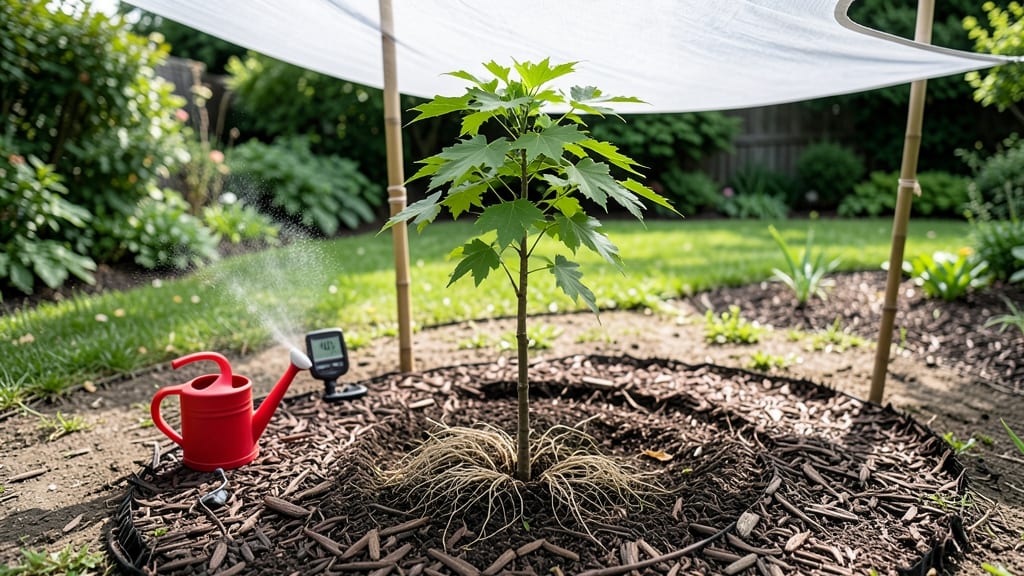
Caring for a maple tree sapling means giving it the right start to grow into a 100-foot giant—and I’ve learned the hard way what happens when you skip a step. 🌳 The first year is critical, where proper watering, soil prep, and pruning set the foundation for decades of strong roots and vibrant leaves.
Without these basics, even the hardiest sapling can struggle with weak growth or disease. Most people focus on planting day but overlook the first 3 months when roots establish. I’ve seen saplings wilt within weeks because they weren’t watered deeply enough or protected from afternoon sun.
The secret? A well-drained hole twice as wide as the root ball, consistent moisture (not soggy soil), and light pruning to encourage upward growth. Skip these, and you’ll spend years playing catch-up.
By winter, your sapling will reward you with tougher branches and a deeper root system—ready to handle storms and pests. The key is adjusting care with the seasons: mulching in fall, wrapping the trunk in winter, and avoiding pruning when sap flows in spring.
Small efforts now mean a shade-providing powerhouse in 20 years. Whether you’re planting in a backyard or urban space, these steps adapt easily. Let’s get that sapling thriving for generations to come.
📚 In This Guide
- What you need
- Instructions
- Tips and common mistakes
- Wrapping up and next steps
What you need
- ● Maple tree sapling: Choose a 1-3 year-old sapling (1–3 feet tall) with a sturdy trunk and healthy leaves.
- ● Well-draining potting mix: 5–10 gallons (or a 50/50 blend of peat moss and perlite for container planting).
- ● Garden soil (if planting outdoors): Loosen the top 12–18 inches of soil and mix in 2–3 inches of compost.
- ● Watering can or hose with a gentle spray nozzle: For deep, even watering (avoid splashing leaves).
- ○ Mulch (optional but recommended): 2–3 inches of wood chips or shredded bark (keep mulch 3 inches away from the trunk).
- ● Stake and soft tree tie: Only if needed for windy areas (use 1–2 stakes per sapling).
- ● Pruning shears: Sharp, clean shears (sterilize with rubbing alcohol between cuts).
- ○ Fertilizer (optional): A balanced 10-10-10 or slow-release fertilizer (use sparingly—once in early spring).
- ● Tree guard or protective wrap: To shield from pests or harsh sun (especially for young saplings).
- ● pH test kit: Ensures soil pH is 6.0–7.0 (maples prefer slightly acidic to neutral soil).
- ● Slow-release moisture granules: For drought-prone areas (mix into soil at planting).
- ● Organic pest control (neem oil or insecticidal soap): For aphid or spider mite prevention.
Step-by-step instructions for maple tree sapling care
Here’s how I’ve nurtured strong, healthy maple saplings—no guesswork, just proven techniques.
🌱 Step 1: Plant in the Right Spot with Proper Soil
Maple saplings thrive in well-draining soil with 60-70% sunlight. Dig a hole twice as wide as the root ball but only as deep—planting too deep suffocates roots. Loosen the sides of the hole with a shovel to encourage root spread.
Mix the native soil with 2-3 inches of compost (if available) to boost nutrients. You’ll see the roots splay out naturally when you set the sapling in—this means it’s finding space to grow. Water thoroughly after planting to settle the soil around the roots.
💧 Step 2: Water Deeply and Consistently
Water once a week for the first month, then taper to every 10-14 days once established. The key is deep watering—soak the soil until it’s 6 inches down. You’ll know it’s right when water pools slightly at the surface but drains within 30 minutes.
Mulch with 2-3 inches of organic mulch (like wood chips) to retain moisture and protect roots. Keep mulch 6 inches away from the trunk—piling it against the base causes rot. Check soil moisture by sticking your finger in: if the top 2 inches feel dry, it’s time to water.
☀️ Step 3: Protect and Prune for Strong Growth
Young maples need shelter from strong winds, which can stunt growth. Use a lightweight stake if needed, but avoid tying too tightly—roots need room to expand. Prune only in late winter to remove dead or crossing branches. Cut just above a bud or outward-facing branch for clean growth.
Watch for signs of stress like yellowing leaves—this usually means overwatering or poor drainage. If you notice leaf drop, reduce watering and check for pests like aphids (tiny green bugs on undersides). A strong sapling should show new leaves by spring and steady growth each season.
⏰ Step 4: Year-Round Maintenance for Long-Term Health
In spring and fall, fertilize lightly with a balanced 10-10-10 fertilizer (follow package rates). Over-fertilizing burns roots, so less is better. Monitor for diseases like tar spot (black spots on leaves)—remove infected leaves immediately to prevent spread.
Winter care is simple: water once a month if the ground stays frozen. A thick mulch layer (4-6 inches) insulates roots from temperature swings. By year two, your sapling should show 2-3 feet of growth—that’s your reward for consistent care.
Tips & tricks for perfect maple tree sapling care
Common pitfalls—and how to sidestep every one for a thriving maple sapling.
Soil Preparation Secret: When mixing compost into the native soil, aim for a ratio of about 20% compost to 80% soil. This ensures proper drainage while still providing nutrients. I learned this the hard way after seeing roots struggle in too-rich soil—stick to the 2-3 inch compost layer mentioned in Step 1. The roots will thank you by spreading out naturally, which you'll notice when planting as they'll fan out instead of staying compact.
Watering Technique: For that critical 30-minute drainage test after watering, use a trowel to poke a small hole 6 inches down. If water seeps into the hole within 30 minutes, you've hit the sweet spot. Too fast? Your soil may be sandy—add more compost. Too slow? You might need to loosen the soil further. This simple test prevents both overwatering and underwatering, both of which stress young saplings.
Pruning Insight: In Step 3, when pruning those crossing branches, remember the "bud rule"—always cut just above an outward-facing bud. This encourages growth in the direction you want. I've seen too many saplings develop awkward growth patterns because of improper pruning. Take your time here; it sets the foundation for your tree's shape. And never prune in summer—wait for late winter when the tree is dormant.
Winter Protection Strategy: That 4-6 inch mulch layer in winter isn't just about insulation—it's also about preventing temperature fluctuations at the soil's surface. I've noticed saplings with inconsistent mulch coverage develop weak root systems. Use a ruler to measure your mulch depth after applying it, especially around the trunk where it's most vulnerable. This small step makes all the difference in spring growth.
Pro Tips for Maple Tree Sapling Care
- Common pitfalls—and how to sidestep every one for a thriving maple sapling.
- Soil Preparation Secret: When mixing compost into the native soil, aim for a ratio of about 20% compost to 80% soil.
- Watering Technique: For that critical 30-minute drainage test after watering, use a trowel to poke a small hole 6 inches down.
Frequently asked questions
Got questions about nurturing your maple tree sapling? You’re not alone! Here are answers to the most common concerns—from timing to troubleshooting—so you can keep your young tree thriving.
When is the best time to plant a maple sapling?
The ideal window is early spring or fall when temperatures are mild (50–70°F). This gives roots time to establish before extreme heat or cold. Avoid planting in summer’s scorching heat or winter’s frost—both stress young trees. Pro tip: Water deeply before and after planting to reduce transplant shock!
How often should I water a new maple sapling?
Water deeply 2–3 times per week for the first year, ensuring soil stays moist but not soggy. Once established (year 2+), reduce to weekly deep waterings during dry spells. Mulch around the base (2–3 inches) to retain moisture and protect roots—just keep mulch away from the trunk to prevent rot.
Why are the leaves on my sapling turning yellow?
Yellow leaves often signal overwatering, nutrient deficiency, or pests. Check soil moisture first—soggy roots strangle roots! If leaves are pale or curled, test soil pH (maples prefer 6.0–7.5) and amend with compost. Inspect for aphids or spider mites; hose off gently or use neem oil if needed.
Can I grow a maple tree from seed?
Yes, but it’s slow and unpredictable—germination can take 1–3 months, and saplings may not inherit parent traits. For faster, reliable growth, buy a 1–2 year-old nursery sapling (like ‘Autumn Blaze’ or ‘Sugar Maple’). If you’re patient, stratify seeds (cold-moist treatment) to mimic winter conditions before planting!
Do I need to protect my sapling from winter?
Young maples (under 3 years) benefit from wrapping trunks with tree guard or burlap to prevent rodent damage and sun scald. Mulch heavily (4–6 inches) around the base to insulate roots. Avoid heavy snow buildup on branches—gently brush it off to prevent breakage.
| Quick Troubleshooting Guide |
|---|
|
Wrapping up and next steps
Caring for your maple tree sapling is a rewarding journey that sets the stage for a thriving, majestic tree! 🌳 With the right balance of watering, sunlight, pruning, and soil health, you’ll nurture strong roots and vibrant growth year after year.
Remember, patience and consistency are key—your efforts today will pay off with stunning foliage and sweet sap for seasons to come.
Ready to take the next step? Monitor your sapling’s progress and adjust care as needed—whether it’s mulching in winter or pruning in spring. Happy growing! 🌱