
Blooming
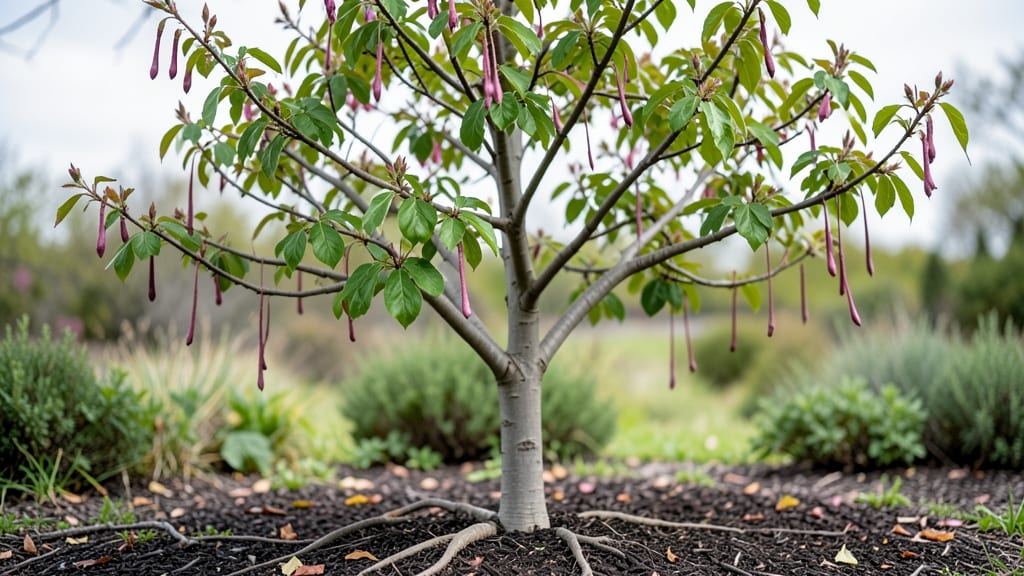
After the pink explosion fades, your redbud tree’s real story begins. 🌸 The delicate spring blooms may be gone, but proper care now ensures next year’s show—and keeps the tree healthy between seasons.
I’ve learned that most gardeners rush to clean up after blooms, but redbuds actually benefit from a more patient approach.
Once flowers fade, leave the seed pods for now—they add winter interest and feed birds. Prune only to shape the tree or remove dead wood, and do it right after blooming while new growth is still soft.
A light fertilizer in early summer helps build energy for next spring’s flowers, but skip heavy feeding—redbuds thrive on good soil, not chemicals.
Watch for pests like spider mites or borers, which love stressed trees. A strong redbud recovers quickly, but consistent watering (about 1 inch per week) keeps it resilient.
The goal? A tree that looks good year-round, not just in spring. With these simple steps, you’ll have a redbud that blooms reliably for decades.
Bonus tip: Mulch around the base to protect roots in winter and retain moisture. And if you’re nervous about pruning, start small—just a few branches at a time. Your redbud will thank you with bigger, brighter blooms next year.
📚 In This Guide
- What you need
- Instructions
- Tips and common mistakes
- Wrapping up and next steps
What you need
- ● Pruning shears: Bypass pruners (for small branches, ¼"–½" cutting capacity) – 1 pair (look for ergonomic handles for comfort).
- ● Loppers: For thicker branches (up to 2" diameter) – 1 pair (choose ratcheting loppers for ease).
- ● Pruning saw: For branches over 2" in diameter – 1 saw (bow saw or folding pruning saw with sharp teeth).
- ● Garden gloves: Heavy-duty, cut-resistant (e.g., Mechanix Wear or Fellowes) – 1 pair (protects against thorns and rough bark).
- ● Disinfectant: 70% isopropyl alcohol or rubbing alcohol (small bottle) – 1 bottle (sanitizes tools between cuts).
- ○ Pruning sealant: Optional but helpful (e.g., Tanglefoot Tree Wound Pruning Seal) – 1 small tub (prevents disease entry in larger cuts).
- ● Ladder: Extendable or step ladder (height depends on tree size) – 1 (ensure it’s stable and rated for your weight).
- ● Safety gear: Safety glasses (for debris) and ear protection (if using a chainsaw for very large branches) – 1 set.
- ● Work bag: Organizer to carry tools and supplies (e.g., Fiskars Work Bag).
- ● Tree wound paste: For sealing larger cuts (e.g., Ortho Fruit Tree Sealant).
- ● Marking twine or flags: To tag branches for removal (useful for large trees).
- ● Wheelbarrow: For hauling debris (especially if pruning heavily).
- ● First-aid kit: In case of minor cuts or scrapes.
Step-by-step guide to pruning your redbud tree after bloom
Here's how to keep your redbud thriving—and stunning—throughout the seasons.
🌿 Step 1: Wait Until After Full Bloom
Timing is everything with redbuds. Never prune until after all flowers have fallen—usually 4-6 weeks after peak bloom (late spring). The tree uses its energy to produce those vibrant pink flowers, and cutting too early removes buds for next year's display. You'll know it's safe when 90% of blossoms have dropped and new foliage has emerged.
If you prune before flowers fade, you risk sacrificing next year's spectacular spring show. I've seen redbuds skip blooming entirely after early pruning—don't let that happen to yours. Wait patiently, and you'll reward yourself with a tree that blooms reliably for decades.
✂️ Step 2: Remove Dead, Damaged, or Crossing Branches
Start by inspecting the tree for dead wood—branches that are brittle, cracked, or completely leafless. Use sharp pruning shears to cut these back to the main trunk or healthy lateral branch. Next, look for branches that cross or rub against each other—these will eventually damage each other's bark. Remove the weaker of the two, cutting back to a bud or branch collar.
Here's the thing—redbuds have a natural tendency to grow multiple trunks. If you see suckers or water sprouts (fast-growing vertical shoots), remove them at the base. These compete with your main tree for nutrients and weaken its structure. Always make cuts at a 45-degree angle just above a bud or branch collar to encourage proper healing.
☀️ Step 3: Thin the Canopy for Light and Airflow
Redbuds develop dense foliage, which can block sunlight from reaching the interior branches. Selectively remove 10-20% of the canopy by cutting back older, overcrowded branches to the trunk or a main lateral branch. Focus on branches that are thicker than a pencil—these are strong enough to handle pruning without stressing the tree.
You'll see the difference immediately: more sunlight reaches the center, and airflow improves, reducing disease risk. Never remove more than 25% of the canopy in one season—this stresses the tree and can lead to poor flowering. Step back occasionally to visualize the tree's shape. Aim for an open, vase-like form that showcases its beautiful bark and branches.
🪴 Step 4: Shape for Structure and Seasonal Interest
Redbuds have stunning exfoliating bark that becomes a winter feature. To highlight this, avoid heavy pruning near the trunk—instead, focus on raising the canopy by cutting back lower branches that block the bark. If the tree has become too wide, prune selective branches to create a more balanced silhouette. Use hand pruners for branches up to ½ inch thick and loppers for thicker branches.
This is also the time to thin out overly dense areas where leaves cluster too closely. You'll notice the tree's natural branching pattern—follow it rather than forcing a rigid shape. Redbuds respond well to light, strategic pruning rather than aggressive cuts. After pruning, the tree should have a natural, layered look that highlights its unique character.
⏰ Step 5: Clean Up and Monitor for Recovery
After pruning, sterilize your tools with rubbing alcohol to prevent spreading disease. Rake up and dispose of all clippings—never leave them on the ground, as they can harbor pests. Water the tree deeply to help it recover, especially if the pruning was extensive. You'll see new growth emerge within 4-6 weeks, signaling the tree is healing well.
Keep an eye out for sap oozing from pruning cuts—this is normal for a few days. If you see dieback (branches turning brown and dying back), it's a sign the tree is stressed. In this case, reduce future pruning and focus on watering and mulching to support recovery. With proper care, your redbud will reward you with vibrant blooms year after year.
Tips & tricks for perfect redbud tree pruning
These simple strategies will help you transform your redbud into a stunning year-round landscape star.
Timing Secret: Mark your calendar for 4-6 weeks after peak bloom—this is your ideal window. I always set a reminder because missing this timing can mean sacrificing next year's flowers. Look for 90% of blossoms to have dropped and new foliage emerging before you make a single cut. This ensures your tree has fully recharged its energy for another spectacular spring display.
Tool Technique: Sterilize your pruning shears with rubbing alcohol before and after each cut to prevent disease spread. I've seen too many trees suffer from fungal infections just because tools weren't properly cleaned. For branches thicker than ½ inch, use loppers instead of hand pruners—they provide the leverage needed for clean cuts without crushing the branch. Always make cuts at a 45-degree angle just above a bud or branch collar to promote faster healing.
Canopy Strategy: When thinning the canopy in Step 3, focus on removing older, overcrowded branches first—they're often the ones blocking sunlight from reaching the center. I recommend working in small sections and stepping back every few cuts to visualize the tree's shape. Aim to remove only 10-20% of the canopy in one season; this prevents stress that could lead to poor flowering. The goal is an open, vase-like form that highlights both the branches and the beautiful exfoliating bark.
Recovery Wisdom: After pruning, water deeply to help the tree recover, especially if you removed more than 10% of the canopy. Watch for new growth in 4-6 weeks—this is your sign that everything's healing properly. If you notice sap oozing from cuts, that's normal for a few days. But if you see dieback (branches turning brown and dying back), reduce future pruning and focus on watering and mulching to support recovery. Your redbud will thank you with vibrant blooms for years to come.
Pro Tips for Redbud Tree After Bloom
- These simple strategies will help you transform your redbud into a stunning year-round landscape star.
- Timing Secret: Mark your calendar for 4-6 weeks after peak bloom—this is your ideal window.
- Tool Technique: Sterilize your pruning shears with rubbing alcohol before and after each cut to prevent disease spread.
Frequently asked questions
Got questions about keeping your redbud tree stunning after those gorgeous blooms fade? You’re not alone! Here are answers to the most common queries—so you can enjoy your tree’s beauty all year long.
When is the best time to prune a redbud tree after it blooms?
The ideal window is late spring or early summer, once the flowers have fully faded but before new growth hardens. This timing balances pruning needs with the tree’s energy reserves, promoting healthier regrowth. Avoid pruning in fall or winter, as cold stress can weaken the tree.
Can I prune a redbud tree too much after blooming?
Yes! Redbuds are sensitive to over-pruning. Limit yourself to removing no more than 25% of the canopy in one session. Focus on dead, diseased, or crossing branches first. Heavy pruning can stress the tree and reduce next year’s bloom production.
Will pruning after bloom affect next year’s flowers?
Pruning after blooming won’t directly harm next year’s flowers, but timing matters. If you prune too late (after summer), you risk cutting back buds that form for the following spring. Always prune before mid-July to avoid this issue.
What if my redbud tree isn’t blooming well after pruning?
Poor blooming can stem from over-pruning, nutrient deficiencies, or environmental stress. Check for balanced sunlight (6+ hours daily), well-draining soil, and adequate watering. A light application of phosphorus-rich fertilizer in early spring can also encourage blooms.
Are there alternatives to pruning for maintaining a redbud tree?
If pruning feels overwhelming, try these low-maintenance strategies:
- Deadheading: Remove spent blooms to redirect energy to foliage.
- Thinning: Lightly trim branches to improve airflow and reduce disease risk.
- Mulching: Add organic mulch to retain moisture and protect roots.
Wrapping up and next steps
Your redbud tree’s post-bloom care doesn’t have to be complicated—just strategic! With the right pruning techniques, you’ll keep it vibrant, healthy, and full of life year-round. Remember: timing, clean cuts, and patience are your best tools.
Now’s the perfect moment to act—grab those shears and give your tree the TLC it deserves!
🌱 Next step: Mark your calendar for late winter or early spring and repeat this process. Your redbud will reward you with stunning blooms and lush foliage for seasons to come!