
Planting
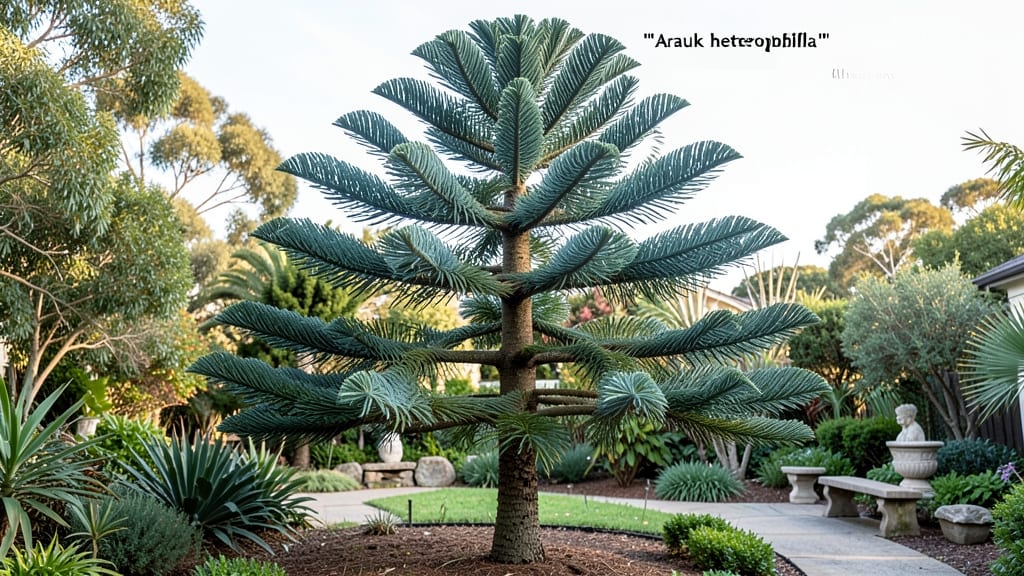
Planting a real Christmas tree means your holiday charm will grow with your family. 🌲 I’ve watched my own Fraser firs go from saplings to towering ornaments of the yard, and the process is simpler than you’d think—especially when you time it right.
The best time to plant is late fall or early spring, when soil is cool but workable. These trees thrive in full sun and well-drained soil with a touch of acidity—think evergreen forests, not deserts.
They grow best in USDA Zones 3-7, so if you’re in a warmer climate, choose dwarf varieties like ‘Nana’ or ‘Little Gem’ instead. By year 5 or 6, you’ll have a tree ready for harvest, but don’t be fooled—many people keep theirs as living decorations for decades.
The scent of pine needles in summer and the rustling branches in winter make them worth the wait. Whether you’re planting for tradition or just love evergreens, these trees double as holiday stars and year-round beauty. Here’s how to get started without the stress.
📚 In This Guide
- What you need
- Instructions
- Tips and common mistakes
- Wrapping up and next steps
What you need
- ● Christmas tree sapling or cutting: Choose a Norway spruce, Fraser fir, or Colorado blue spruce (best for planting). If using a cutting, ensure it’s at least 6–12 inches long with healthy buds.
- ● Planting site: Well-draining soil (avoid waterlogged areas).
- ● Partial shade to full sun (6+ hours of sunlight daily).
- ● Space: 6–10 feet between trees (or 10+ feet for large varieties like Douglas fir).
- ○ Soil amendments (optional but helpful): Compost or peat moss (1–2 5-gallon buckets per hole).
- ● Slow-release 10-10-10 fertilizer (1 cup per tree).
- ● Tools: Shovel or trowel (for digging holes).
- ● Garden gloves (to protect your hands!).
- ● Watering can or hose (with a gentle spray nozzle).
- ● Mulch (2–3 inches of pine straw or shredded bark).
- ● Root stimulator: A mycorrhizal fungi powder to boost root growth (follow package instructions).
- ● Tree guard: A plastic spiral wrap to protect young trunks from critters.
- ● Stakes & ties: If planting in windy areas, use 3–4 stakes and soft ties.
- ● Decorative stakes: Mark the planting spot with bamboo stakes for a festive touch!
- ● Holiday lights (for fun!): String lights around the base to celebrate your new tree year-round. 🕯️
Step-by-Step guide to planting your own Christmas tree
Turn your holiday tradition into a lasting yard feature with these simple steps.
🌱 Step 1: Choose the Right Tree Species for Your Climate
Start by picking a tree that thrives in your growing zone. For cold climates, Fraser firs or Nordmann firs are classic choices—they hold needles well and smell amazing. Warmer regions suit Leyland cypress or Arizona cypress, which stay green year-round without freezing. Check your local nursery for varieties that match your USDA hardiness zone.
Look for young trees with a straight trunk and full branches. Avoid trees with yellow needles or bare spots—those won’t grow into healthy holiday trees. I always buy balled-and-burlapped (B&B) trees in 5-7 gallon containers for the best root system. The roots should be white and firm, not brown or mushy.
🪴 Step 2: Pick the Perfect Planting Spot
Choose a location with full sun (6+ hours daily) and space for the tree to grow—most Christmas trees reach 6-12 feet tall at maturity. Avoid low spots where water pools, as soggy roots rot quickly. Test the soil by digging a 6-inch hole—if it’s heavy clay, amend with 2-3 inches of compost to improve drainage.
Think about holiday access! Plant the tree where you can easily decorate it later. A spot near your home or driveway lets you enjoy the festive sight year after year. I mark the planting area with stakes to visualize the tree’s mature size before digging.
☀️ Step 3: Dig and Plant for Long-Term Success
Dig a hole twice as wide as the root ball but no deeper. Loosen the sides of the hole with a shovel to help roots spread. Gently remove the tree from its container and place it in the hole so the top of the root ball sits 1-2 inches above ground level. This prevents water from pooling around the trunk.
Backfill with native soil, tamping lightly every 4-6 inches to remove air pockets. Water deeply until the soil settles, then add a 2-inch layer of mulch (keep it 6 inches away from the trunk to prevent rot). Water again until moisture reaches 6 inches deep—you’ll see it soak into the soil like a sponge.
💧 Step 4: Care for Your Tree Through the Seasons
Water your new tree once a week for the first year, more often during dry spells. Young trees need consistent moisture to establish roots. You’ll know it’s thirsty when the soil feels dry 2 inches below the surface. Avoid overwatering—needles should stay green, not yellow or wilted.
Fertilize in early spring with a slow-release evergreen fertilizer to encourage strong growth. Prune in late winter to remove dead branches, but avoid heavy trimming—you want a full, festive shape by December. I always check for pests like spider mites in summer; a strong hose spray usually clears them up.
⏰ Step 5: Prepare for Holiday Decorating
By December, your tree should be lush and ready for decorations! Choose lightweight ornaments to avoid breaking branches. I string lights before hanging ornaments to distribute weight evenly. Water the tree 1-2 weeks before decorating to ensure it’s hydrated—dry trees shed needles faster.
After the holidays, remove decorations but leave lights up for a few extra days if the weather’s mild. This gives the tree time to recover from the weight. In late winter, prune any broken branches and fertilize again for next year’s growth. With proper care, your Christmas tree will become a cherished part of your yard for decades.
Tips & tricks for perfect real Christmas tree planting
Here's what nobody tells you about making your Christmas tree last for years to come.
Species Selection Matters: When choosing between Fraser firs and Nordmann firs in Step 1, consider this: Fraser firs hold their needles longer after cutting, making them ideal if you plan to use branches for wreaths later. Nordmann firs, however, have softer needles that won't prick your fingers during decorating. For warmer climates, Leyland cypress grows faster but loses its piney scent over time—worth it if fragrance isn't your priority. Always ask nursery staff about local disease resistance in your specific USDA zone.
Planting Depth is Critical: In Step 3, that 1-2 inch elevation above ground level isn't just about drainage—it's about preventing girdling. When roots grow downward, they'll naturally follow the contour of the hole's sides. If you bury the root ball too deeply, the trunk will suffocate as roots press against it. I've seen trees planted too low develop yellowing at the base within just two years. Use a level to check before backfilling.
Watering Wisdom: The 1-2 weeks before decorating in Step 5 is your chance to test the tree's hydration. If needles snap dry when bent, water immediately—this means the tree has been thirsty for days. For the first year's weekly watering, I use the "sponge test": After watering, stick your finger 2 inches deep. If it comes out clean, you've watered enough. If it's dry, repeat until moisture reaches that depth. Overwatering causes more problems than underwatering with evergreens.
Pro Tips for Real Christmas Tree Plant
- Here's what nobody tells you about making your Christmas tree last for years to come.
- Nordmann firs, however, have softer needles that won't prick your fingers during decorating.
- Planting Depth is Critical: In Step 3, that 1-2 inch elevation above ground level isn't just about drainage—it's about preventing girdling.
Frequently asked questions
Got questions about planting and caring for your real Christmas tree? You’re not alone! Here are some of the most common queries—and answers—to help you grow a stunning evergreen year after year.
Can I plant a Christmas tree in my yard, or will it die?
Many evergreens like Nordmann firs, Fraser firs, and Douglas firs thrive as permanent plants if given the right conditions. Just avoid cutting down a live tree from a lot—opt for a farm-raised tree labeled "plantable" instead. With proper care, your tree can grow for decades!
How long does it take for a planted Christmas tree to grow?
Patience is key! A freshly planted tree may take 5–10 years to reach holiday-height (6–8 feet). Smaller varieties like Dwarf Alberta spruce grow faster (3–5 years). Focus on watering deeply in the first year, and mulch to retain moisture. Bonus: Young trees can double in size every 3–5 years with ideal care!
What’s the best way to water a newly planted Christmas tree?
Watering is critical in the first year. Soak the root ball once a week (or more in extreme heat/drought), ensuring water penetrates 6–12 inches deep. Avoid shallow watering—it encourages weak roots. Mulch heavily (3–4 inches) to lock in moisture. Pro tip: Use a soaker hose for even distribution!
Can I use a cut Christmas tree as a mulch or compost?
Yes! After the holidays, strip off the lights and tinsel, then chop the branches into 3–6 inch pieces for mulch. Sprinkle around perennials or shrubs to retain soil moisture and add organic matter. For compost, shred finer branches and mix with greens (like grass clippings) for balance. Avoid dense needles—they decompose slowly but make great mulch for acid-loving plants like azaleas.
Will my planted Christmas tree survive winter?
Most evergreens are winter-hardy, but young trees need extra protection. Water thoroughly before frost to prevent root dehydration. Wrap the trunk with tree guard to shield from rodents and snow damage. Avoid heavy snow buildup—gently brush it off branches. Balsam firs and Blue Spruces handle cold best, while Fraser firs may need windbreaks in exposed areas.
Wrapping up and next steps
Planting a real Christmas tree isn’t just about holiday decor—it’s a gift that keeps giving! 🌲 From choosing the perfect variety to nurturing it year-round, you’ve got everything you need to grow an evergreen centerpiece that brings joy for seasons to come.
Whether you’re a gardening pro or a beginner, the magic of a homegrown tree is within reach.
Ready to take the next step? Pick your favorite variety, gather your tools, and get planting! Your future holiday memories—and your yard—will thank you. 🎄✨